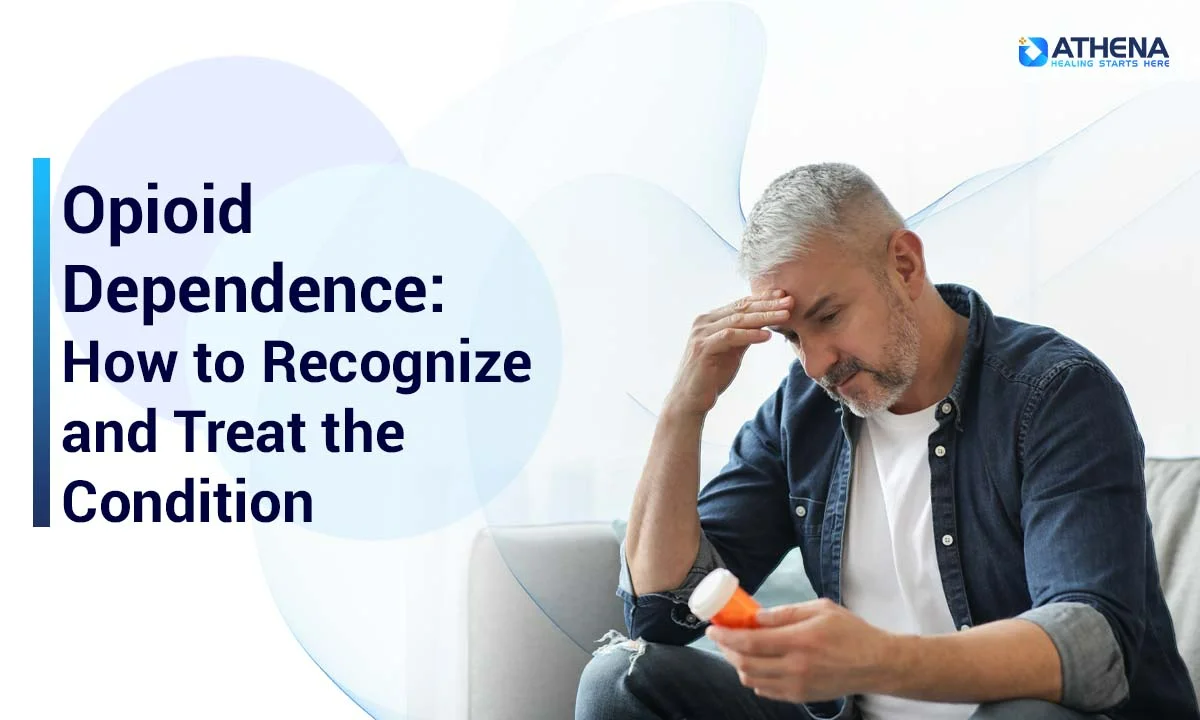

Opioid dependence is a disease where the body becomes accustomed to opioids, meaning that the absence of the medication will make one feel sick, and it will be difficult to reduce intake. The addiction may start from a prescription due to surgery, injury, or chronic pain or due to illegal substances. The number of Americans addicted to opioids was estimated to be about 4 million in 2025, which is less than 4.8 million from the previous year. Early detection of symptoms and correct treatment are crucial for recovery, and it is explained in the following paragraphs.
What is Opioid Dependence?
Opioid dependence is a state in which your brain and body rely on opioids to function normally. You may need higher doses over time, feel sick when a dose wears off, and keep using even when it harms your health, work or family. It covers prescription painkillers such as oxycodone, tramadol and codeine, and drugs such as heroin and fentanyl. Doctors now often use the term opioid use disorder (OUD) for the same condition.
How Do Opioids Cause Dependence?
Opioids attach to receptors in the brain and spinal cord, which reduces pain and triggers a release of dopamine, the chemical linked to reward. With repeated use, the brain makes less of its own pain relief and begins to expect the drug. The process is similar whether the source is a pharmacy or the street, although the pattern of risk looks different in heroin addiction compared with prescription opioid addiction.
Dependence usually builds in three stages:
Tolerance: the usual dose stops working, so people take more.
Physical dependence: the body expects the drug, and a missed dose causes sweating, aches and restlessness.
Loss of control: cravings drive use, even when the costs are clear.
Who is at Risk of Opioid Dependence?
Anyone who takes opioids for long enough can become dependent, but some people face a higher risk. Knowing these factors helps you and your doctor choose safer ways to manage pain.
Common risk factors include:
Taking opioids daily for weeks, or at high doses.
A personal or family history of substance use.
Untreated anxiety, depression or past trauma.
Chronic pain with few other treatment options.
What Are the Signs and Symptoms of Opioid Dependence?
Common indications are increased dosage for the same effect, sickness during periods without the drug, and failure to reduce usage. These occur slowly but are easily rationalized because the drug originally was prescribed. Family members and close friends often detect them first.
Look out for:
Taking higher doses than prescribed or running out of medication early.
Cravings and unsuccessful reduction efforts.
Symptoms of withdrawal between doses.
Drowsiness, pinpoint pupils or constipation.
Going to multiple doctors in order to receive more pills.
Lack of interest in career, activities and other people.
Irritability, depression or sudden mood swings.
Doctors determine addiction severity based on 11 DSM-5 criteria. If two to three are met, it is considered mild; four to five indicate moderate addiction; six or more mark severe addiction.
What Is Opioid Dependence Syndrome?
Opioid dependence syndrome is the WHO's ICD-10 term for the full clinical picture of dependence. A clinician diagnoses it when at least 3 of the following features appear together within the past year.
A strong urge to use opioids.
Trouble controlling when to start, how much to take or when to stop.
Withdrawal when use falls or stops.
Tolerance, meaning a larger dose for the same effect.
Giving up other interests because of opioid use.
Continued use despite clear harm.
What Is the ICD-10 Code for Opioid Dependence?
The ICD-10 code for opioid dependence belongs to the F11.2 group, and F11.20 is the code for uncomplicated dependence. Hospitals, doctors and insurers use these codes for records and claims, so the exact code matters. The table shows the ones you are most likely to see in ICD-10-CM.
ICD-10 Codes | Meaning |
F11.20 | Opioid dependence, uncomplicated |
F11.21 | Opioid dependence, in remission |
F11.23 | Opioid dependence with withdrawal |
Opioid abuse has its own category, F11.1, and it is coded separately from dependence.
What Does Opioid Dependence in Remission Mean?
Opioid dependence in remission means a person once met the criteria for dependence and now no longer does. The ICD-10 code for opioid dependence in remission is F11.21. DSM-5 divides remission into two stages based on the time without meeting criteria.
Stages | Time Without Meeting Criteria |
Early remission | 3 to 12 months |
Sustained remission | 12 months or longer |
Remission is progress, not a guarantee. Stress, pain or old triggers can bring cravings back, so regular check-ins and a relapse plan help protect recovery.
How Long Does Opioid Withdrawal Last?
Withdrawal from opioids generally takes 4 to 10 days depending on whether the opioids used are short-acting. This includes substances like heroin and oxycodone, with the most serious withdrawal signs occurring between days 1 to 3. Opioid withdrawal syndrome is generally not dangerous but painful enough to make patients resume drug use.
Phases | Typical Timing |
Symptoms begin | 8 to 24 hours after the last dose |
Peak discomfort | Days 1 to 3 |
Gradual improvement | Days 4 to 10 |
Symptoms include muscle aches, sweating, nausea, diarrhoea, anxiety and poor sleep. Stopping suddenly without medical support is risky, because tolerance falls quickly and returning to an old dose can cause a fatal overdose.
How Is Opioid Dependence Treated?
Opioid dependence is treated most effectively with medication combined with therapy and long-term support. Doctors commonly use three medicines, and the right one depends on your health, history and goals.
Medicines | How It Helps | Key Point |
Buprenorphine | Eases cravings and withdrawal | Lower overdose risk |
Methadone | Long-acting opioid replacement | Taken under supervision |
Naltrexone | Blocks opioid effects | Started after detox |
Only 15.7% of people with opioid use disorder received medication for it in the past year, so it is worth asking a doctor about these options. Talk therapy supports the medicine. Cognitive behavioural therapy helps because it rewires the way the brain responds to triggers, and ongoing mental health therapy builds coping skills that last after treatment ends. Families should also keep naloxone at home, since it can reverse an overdose.
How Can You Prevent a Relapse?
You can lower the risk of relapse by knowing your triggers, keeping follow-up appointments and staying connected to people who support you. Relapse is common in recovery and does not mean treatment has failed. Cravings often return during stress, pain, loneliness or poor sleep, so a simple plan helps you act early.
Helpful habits include:
Keeping follow-up appointments even when you feel well.
Listing your triggers and deciding how to handle each.
Staying close to family, friends or a support group.
Keeping regular routines for sleep, meals and exercise.
Can Anxiety and Depression Make Opioid Recovery Harder?
Yes, they often do. Many people first used opioids to dull panic, sadness or sleeplessness, and those feelings return once the drug is gone. When anxiety goes untreated, cravings tend to get stronger, so addressing it through anxiety disorder treatment can make recovery steadier. Treating mood and dependence together gives the best chance of lasting change.
How Can Athena Behavioral Health Support Your Mental Health?
Athena Behavioral Health offers mental health services to adults suffering from anxiety, depression, trauma, insomnia, and other similar conditions. Many of these illnesses precede or emerge when individuals are trying to overcome opioid addiction; thus, their identification and treatment ensure well-being in the future. The initial step is conducting a confidential discussion of your condition, which is further taken into account when developing an individual plan.
Support can include:
A psychiatric evaluation and medication review through outpatient psychiatry.
Individual therapy sessions with trained professionals.
Help with stress, low mood and anxiety.
Regular follow-up so your plan changes as you do.
What Should You Do in an Opioid Overdose?
Call emergency services immediately if someone has slow or stopped breathing, blue or grey lips, or cannot be woken, and give naloxone if you have it. These steps follow WHO guidance on opioid overdose, which stresses fast action because breathing can stop within minutes. Stay with the person until help arrives.