
Rehabilitation Centre in Guwahati
Athena Behavioral Health's rehabilitation centre in Guwahati treats addiction as a condition that responds to proper medical and psychological care, not as something to be managed through willpower alone.
- Medical Detoxification
- Detailed Psychiatric Evaluation
- Psychotherapy & Counselling
- Mindfulness, Yoga & Wellness
- Aftercare and Relapse Prevention
- In-Patient and Out-Patient Programs
Book Your Appointment

Rehabilitation Centre in Guwahati: The Region's Unique Addiction Challenges
Athena Behavioral Health has seen firsthand how Guwahati's role as the commercial and transit hub of the Northeast creates specific vulnerabilities around substance use. Proximity to trade routes with easier access to certain substances, growing joblessness among educated young adults, intense pressure around competitive exams, and deep-rooted stigma that keeps families silent all allow addiction to progress undetected for far longer than it should.
Selecting the right alcohol rehabilitation centre in Guwahati is a decision that deserves real research, not convenience alone. At Athena, we start every case by understanding the individual's full context, including their substance history, home environment and physical health, before recommending any specific course of treatment.
"If someone you know is showing signs of an overdose or dangerous withdrawal, such as difficulty breathing, unresponsiveness, seizures, severe confusion, chest pain, or extreme changes in heart rate, contact emergency services immediately. Do not wait to see if the symptoms pass on their own, and do not attempt to manage the situation alone at home. This is a medical emergency that cannot wait for a scheduled appointment, and every minute matters when a person's breathing, consciousness, or vital signs are at risk."
Our Dedicated Treatment Team for Rehabilitation Centre in Guwahati

Prof. (Dr.) Nimesh G. Desai

Dr. Sushil Agarwalla

Dr. Sahil Agarwal
What a Dependable Rehab Centre Should Offer
Continuous medical coverage
A doctor should be reachable at all hours, since withdrawal complications can escalate without warning and cannot wait for scheduled rounds.
Direct involvement of specialists
Psychiatrists and licensed psychologists should be actively treating patients themselves, rather than delegating most of the clinical work to general staff.
Treatment length based on the individual
Program duration should be determined by a patient's specific clinical profile, not sold as a fixed package applied uniformly to everyone.
Privacy addressed from day one
A trustworthy centre lays out its confidentiality practices clearly during admission, rather than only when a family member raises the question.
A structured life after discharge
Real treatment includes a defined aftercare plan, since the months following detox are often where recovery is won or lost.
A setting built on dignity
The facility should feel supportive and clinical, never like a holding space where patients are simply managed rather than treated.
Clinical Excellence
A Multi-Specialist Team Covering the Entire Northeast
Athena's rehab centre in Guwahati does not rely on one clinician to manage a patient's entire recovery. A psychiatrist directs the medical components of detox and any necessary medication, while psychologists and counsellors take on the behavioural and emotional work, coordinating closely and always within the boundaries the patient has consented to.

It is a common but mistaken belief that the best rehabilitation centre in Guwahati is defined by the size of its building or the length of its program. What actually influences recovery is whether treatment intensity is calibrated correctly to the substance involved, how long it has been used, and the patient's broader health picture, which is precisely what our assessment process is built to uncover.
An emergency room visit treats the crisis, but lasting recovery depends on consistent psychiatric care, medical supervision, and emotional support afterward. Psychotherapy and counselling sit at the center of every treatment plan we design, not on the periphery, because patients need durable coping mechanisms that continue working long after they leave our care, not just temporary abstinence.
Cases involving years of alcohol or opioid dependence typically need a phased, multi-stage treatment structure rather than a single intensive push. Our clinical team commits to that longer timeline through structured reviews and a treatment culture that stays free of shame or judgment at every stage.
Modern Lifetime Challenges
The Slow Build-Up Families Often Miss
Substance dependence in most Guwahati households does not arrive as a single obvious event. It tends to creep in through small behavioural inconsistencies, unexplained emotional shifts, dropped responsibilities, or a gradual distancing from people the person once felt close to. These changes are frequently chalked up to work stress or a passing mood, right up until the pattern becomes too consistent to rationalise away. The longer this goes unaddressed, the more deeply the dependence tends to settle in, which is why acting on early signs generally makes eventual recovery considerably easier.
Rarely does a family step in the moment the first sign appears. What usually happens instead is a stretch of quiet hope paired with private conversations that never quite land, before the idea of professional treatment finally starts to feel necessary.
Alcohol Dependence in Adults: What begins as occasional social drinking slowly becomes something the person cannot function a day without, often marked by hiding bottles, mood shifts or physical unease when trying to abstain.
Substance use among students and young adults: This is becoming increasingly common, often starting as a way to cope with exam stress, academic pressure, or the demands of early career life. What begins as occasional use can quietly turn into dependence, making early recognition, open conversation, and timely professional support essential before the habit becomes harder to break.

Matching Treatment Setting to Patient Needs: A Quick Reference
One question we hear constantly is how the right treatment setting gets chosen for a specific person, since this affects both the recovery experience and the overall cost involved. Below is a general framework our clinical team uses during the initial evaluation.
| Patient Situation | Key Clinical Indicators | Suggested Treatment Setting |
| Early Stage Use | Recent onset of dependence, cooperative attitude, supportive family at home | Out-patient therapy with structured weekly sessions |
| Established Dependence | History of failed self-attempts to quit, moderate withdrawal symptoms expected | Short residential detox transitioning into ongoing out-patient care |
| Severe or Chronic Dependence | Multi-year substance use, co-occurring anxiety or depression, high risk home environment | Full residential program with extended, closely monitored aftercare |
Subtle Red Flags Worth Watching For
Several behavioural shifts appear minor when noticed individually, which is exactly why they often escape attention until a broader pattern becomes undeniable.
Disappearing at Odd Hours
Unexplained gaps in the day, missed appointments or sudden unavailability become part of a repeating pattern. As this continues, the excuses offered tend to sound thinner and less convincing over time.
Snapping at Simple Questions
A casual question about their day or plans can trigger an unexpectedly sharp or irritated response, particularly if it edges close to the topic of substance use. This reaction tends to intensify each time the subject resurfaces.
Saying One Thing, Doing Another
Heartfelt promises to slow down or quit are made, only for old patterns to resume within a short span. This back and forth between commitment and relapse can persist for months without ever being named as a real issue.
Body Reacting to Absence of the Substance
Trembling hands, unexplained sweating or nausea show up specifically when the substance has not been used recently, a clear indicator of physical dependence. Families often mistake these episodes for the flu or general fatigue at first.
Losing Interest in Everyday Life
Activities and people who once brought genuine enjoyment slowly get sidelined, with no real explanation offered for the shift. What used to require no effort at all now feels like something to avoid.
Numbers That Do Not Make Sense
Spending appears to outpace anything visible or accounted for, and direct questions about it are answered with vague or inconsistent explanations. This financial gap tends to widen steadily until it becomes too significant to explain away.
Not Sure If This Is You? Talk to a Specialist
Confidential Support, available 24×7
ABOUT THERAPY AT ATHENA
What Recovery Looks Like at Athena's Guwahati Centre
Individualised Intake and Care Mapping
Treatment begins with a thorough look at the patient's substance use history, daily life and overall health, so the plan that follows is designed around them specifically rather than pulled from a standard checklist.
Round the Clock Detox Support
A trained medical team stays closely involved throughout withdrawal, balancing safe symptom management with genuine attention to the patient's comfort at every step.
Structured Talk Therapy Sessions
Both one on one and group formats draw on proven methods like CBT to help patients understand what drives their addiction and walk away with coping strategies they can actually use going forward.
Holistic Practices for Body and Mind
Daily routines include yoga, mindfulness and breathing exercises, giving patients additional tools to manage stress and cravings alongside their core clinical care.
Why Choose Us
What Makes Athena the Preferred Choice in Guwahati

Every clinician attached to a patient's case, whether psychiatrist, therapist, or counsellor, operates from one unified treatment file, ensuring that no decision is made without the complete clinical context in view. This shared record means that progress notes, medication changes, therapy insights, and family observations are all visible to the entire care team at once, so patients never have to repeat their history at every appointment or worry about gaps between departments. It allows treatment to stay coordinated and consistent, even as a person moves between different stages of recovery.
Given how strongly addiction stigma persists across the region, our team treats discretion and an entirely judgment-free approach as core to how we function, not as an optional courtesy extended selectively. From the very first phone call to ongoing follow-up visits, patients and families are met with respect rather than assumptions, which helps people feel safe enough to be honest about their struggles instead of hiding them out of fear or shame.
Patients can choose between residential and out-patient care depending on their specific circumstances, lifestyle, and severity of their condition, backed by a support line that operates continuously for families who need to act during an urgent situation. This round-the-clock availability means help is never more than a call away, no matter the hour.
How We Help
What to Expect After You Reach Out
Getting started should feel simple, not overwhelming. The path from your first message to the beginning of treatment is kept clear and predictable at every stage.
Reach out by phone, WhatsApp or our website form, and a trained team member responds promptly to understand your situation and answer initial questions.
A combined psychiatric and physical assessment identifies the substance involved, the severity of dependence and any urgent medical needs.
Based on that evaluation, our team proposes a specific course of action, discussed openly with the patient and family before anything is finalised.
Treatment proceeds through detox where required, into structured therapy, with regular reviews to keep the plan aligned with the patient's progress.
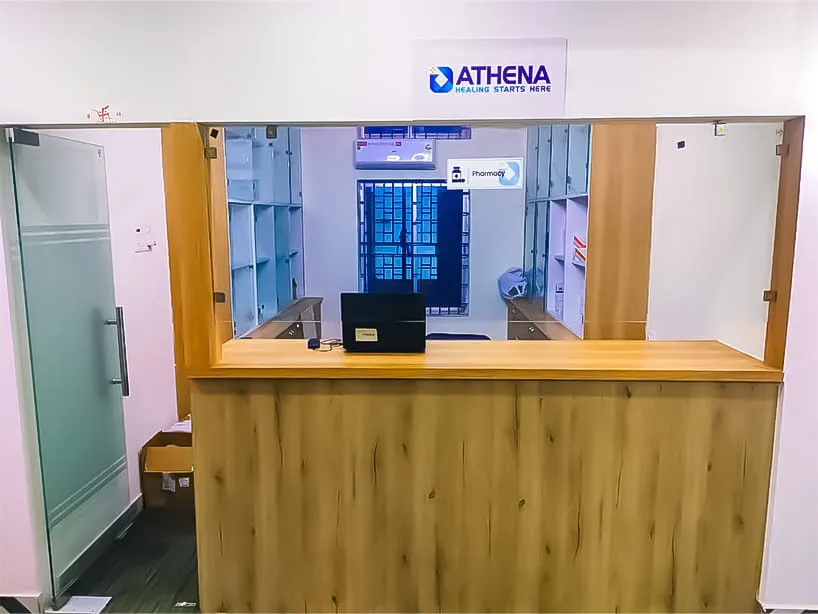
Take a Look Inside Our Guwahati Facility
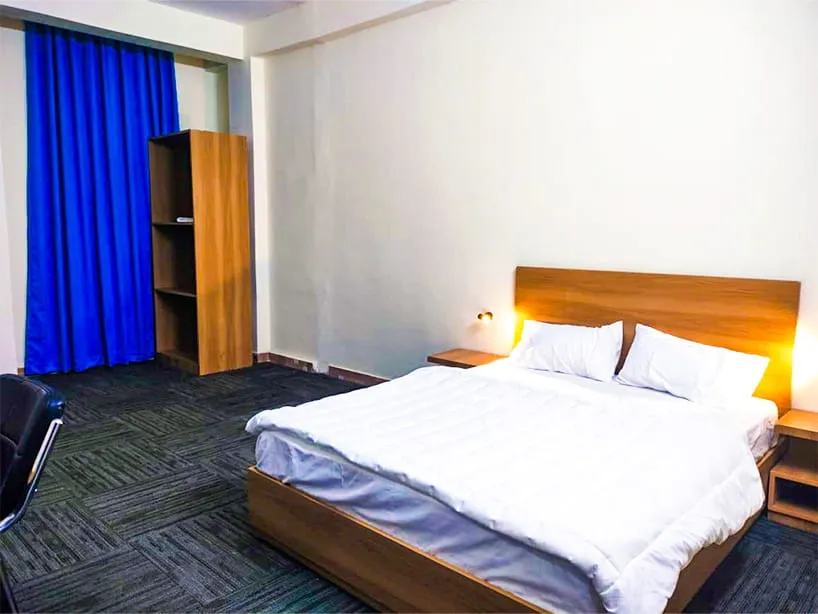
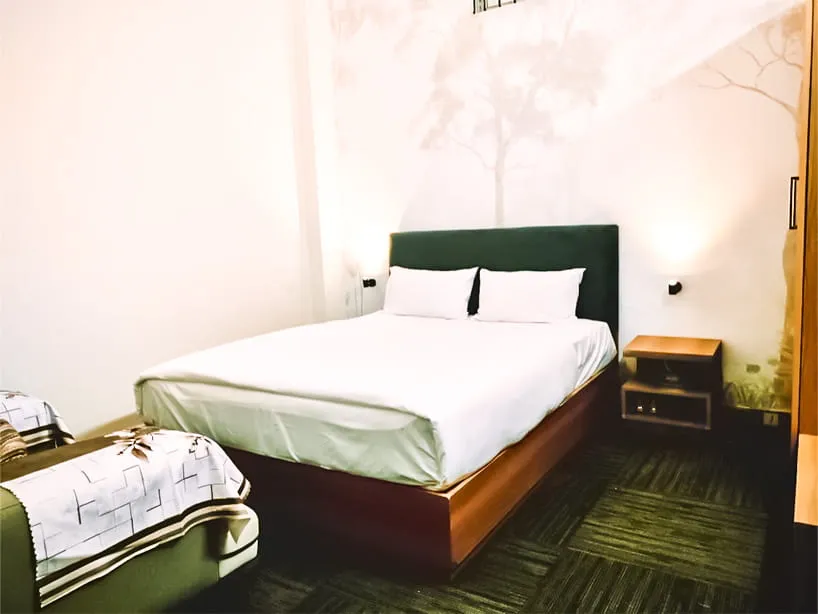

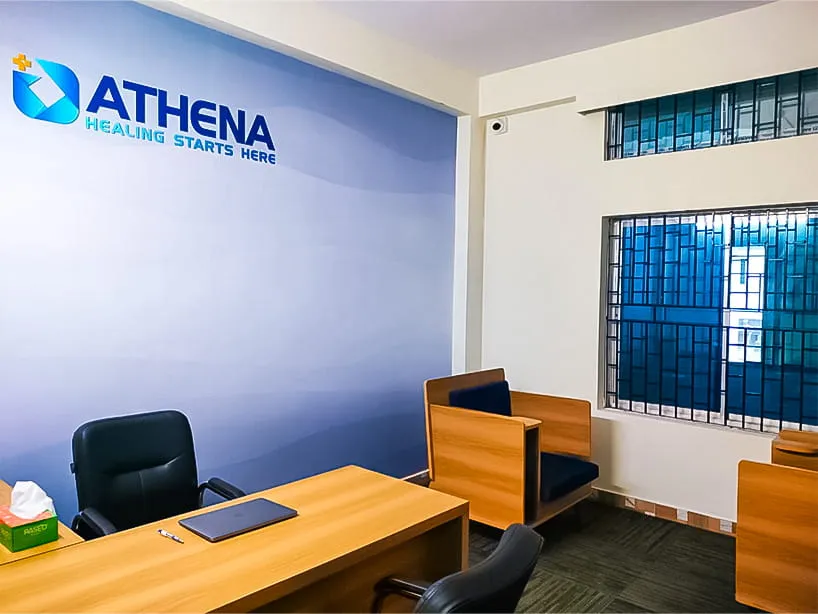

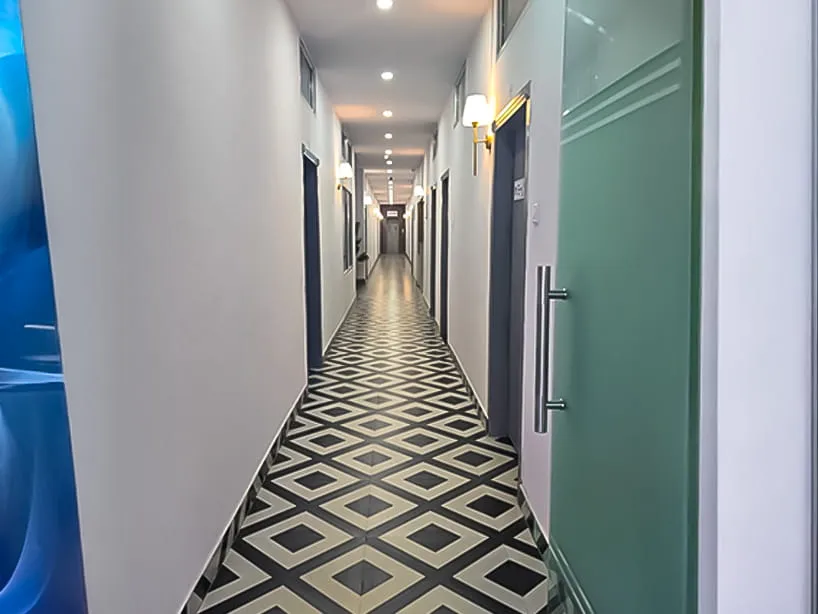

Conditions We Treat















.png)






WHAT OUR PATIENTS SAY
Frequently Asked Questions
Cases involving years of dependence generally need a comprehensive, phased program that begins with medically supervised detox and continues into extended residential therapy. Our clinical assessment maps out the right sequence based on the patient's actual history rather than a generic timeline.
Denial is a normal part of early stage addiction, and pushing too hard usually causes the person to withdraw further. Our team offers guidance on framing this conversation calmly, which tends to work far better than confrontation.
Yes, our confidentiality standards ensure that details of a patient's treatment are never disclosed to anyone, including employers or extended relatives, without explicit written consent, barring genuine medical emergencies.
Our detox process includes continuous medical monitoring for exactly this reason, allowing our clinical team to intervene immediately if withdrawal symptoms escalate beyond expected levels.
Not necessarily. Relapse is a recognised part of the recovery process for a portion of patients and is addressed through our dedicated aftercare structure rather than viewed as a treatment failure.
Yes, patients regularly come to us from across Assam, Meghalaya, Nagaland and neighbouring states, and we accommodate both in-patient and out-patient arrangements based on individual circumstances.
Pricing depends on the treatment format, expected duration and the specific substance being treated. Speaking with our team directly gives you a realistic estimate tailored to the situation rather than a generic number.
A psychiatrist can address medication needs and any related mental health conditions, but sustained recovery from moderate to severe addiction usually requires the structured therapy, daily oversight and controlled setting that a rehab centre provides.
It depends on how advanced the dependence is. Early stage cases can sometimes be managed through out-patient sessions alongside regular commitments, while more serious dependence typically calls for a period of full residential care first.
Most patients can complete an initial clinical assessment within one to two days of first contacting us, with admission following soon after once a treatment plan has been finalised.
How to reach Athena - Guwahati
Athena Behavioral Health, Guwahati
Athena Behavioral Health, Guwahati, Assam
Landmark: Guwahati
- Guwahati City
- Northeast India region
Contact us: +919289086193
Speak to Our Care Team - 24×7 Confidential Support
Confidential help is just a call or chat away. Our team is ready to listen - without judgment, without pressure.