
Mental Hospital in Guwahati
Athena Behavioral Health's mental hospital in Guwahati treats psychiatric conditions as medical concerns that deserve proper clinical attention, not something to be hidden away or managed silently.
- Detailed Psychiatric Evaluation
- Psychotherapy & Counselling
- Medication Management
- Mindfulness, Yoga & Wellness
- In-Patient and Out-Patient Care
- Family Counselling and Support
Book Your Appointment

Mental Hospital in Guwahati: Why Mental Health Struggles Often Go Unnoticed
Athena Behavioral Health has seen how Guwahati's growing population, combined with deep-rooted stigma around mental illness, keeps many families from seeking help until a condition becomes severe. Academic pressure among students, job insecurity, joint family expectations and limited awareness about psychiatric conditions all contribute to symptoms being dismissed as personality traits or temporary phases rather than treated as medical issues that respond well to timely care.
Choosing the right mental hospital in Guwahati matters far more than choosing the nearest clinic. At Athena, we begin every case with a complete understanding of the patient's history, symptoms and living situation, rather than reaching for a standard diagnosis and treatment plan.
“If you are looking for a psychiatric rehabilitation programme that treats you as a person rather than a diagnosis, Athena Behavioral Health is here to walk alongside you, offering steady support from the very first appointment through long term recovery and beyond. If you or someone close to you is having thoughts of suicide or self harm, please contact emergency services or a mental health professional immediately. This cannot wait for a scheduled appointment.”
Meet Our Psychiatrists for Mental Hospital in Guwahati

Prof. (Dr.) Nimesh G. Desai

Dr. Sushil Agarwalla

Dr. Sahil Agarwal
What a Trustworthy Mental Hospital Should Offer
Qualified psychiatric staff on site:
Confirm that consultant psychiatrists and clinical psychologists are directly involved in diagnosis and treatment, not just intake counsellors.
Clear diagnostic process:
A reliable hospital explains how a diagnosis was reached and what treatment options exist, rather than prescribing medication without discussion.
Both medication and therapy available:
Look for a facility that combines psychiatric medication management with structured therapy, since many conditions respond best to both together.
Privacy handled with care:
Confidentiality standards should be explained clearly at admission, given how sensitive mental health information is.
A plan for continued care:
Ask what happens after discharge or after symptoms stabilize, since ongoing follow up often determines whether improvement holds.
An environment free of stigma:
The facility should never make a patient feel labelled or judged for seeking help.
Clinical Excellence
A Complete Psychiatric Team Under One Roof
At Athena's mental hospital in Guwahati, care is never limited to a single consultation. Psychiatrists lead diagnosis and medication management, while clinical psychologists and counsellors work alongside them on therapy and behavioural support, with every decision shared transparently with the patient and family where appropriate.

Many people assume the best mental hospital in Guwahati is simply the one with the most beds or the largest building. In practice, what actually matters is whether the treatment approach is matched correctly to the specific condition, whether that is anxiety, depression, bipolar disorder or a more complex psychiatric presentation, which is exactly what our detailed evaluation is designed to determine.
As a trusted nasha mukti kendra in Delhi, we also focus on life skills training, family counseling, and relapse prevention strategies, helping patients rebuild routines they can sustain long after treatment ends. Every session is guided by real conversation and genuine care, not rigid checklists. If you are looking for a psychiatric rehabilitation programme that treats you as a person rather than a diagnosis, we are here to walk alongside you, with steady support from the very first appointment through long term recovery and beyond.
Conditions that have been present for years, or that involve repeated relapses, generally need a longer, more carefully monitored approach rather than a single short course of treatment. Our team stays engaged through that full journey with regular follow ups and a consistently respectful, non-judgmental environment.
Modern Lifetime Challenges
How Families Usually Realise Something Is Wrong
Mental health conditions rarely present with an obvious, singular symptom that everyone immediately recognises. They often show up gradually, through changes in sleep, appetite, energy or interest in daily activities, alongside irritability or withdrawal that is easy to mistake for a passing mood. Families frequently attribute these changes to stress, age or personality, until the pattern becomes too persistent or severe to explain away. Left untreated, many psychiatric conditions tend to worsen over time, which is why early evaluation generally leads to a smoother recovery process.
Very few families seek help at the very first sign of difficulty. More often, there is a period of hoping things will improve naturally, along with informal attempts to help that do not lead to lasting change, before professional psychiatric care starts to feel necessary.
Anxiety and Depressive Disorders: Persistent worry, low mood or loss of interest in daily life that lasts for weeks, often accompanied by disrupted sleep and difficulty functioning at work or home. Alternating episodes of extreme mood elevation or irritability and deep depressive lows, often disrupting sleep, judgment, and relationships between episodes.
Severe Mood and Thought Disturbances: More complex presentations such as bipolar disorder or psychosis, marked by extreme mood shifts, unusual beliefs or a noticeable disconnect from reality.

Understanding Levels of Psychiatric Care: A Quick Reference
Families are often unsure whether a loved one needs hospitalisation, out-patient psychiatric care, or ongoing therapy alone. This table outlines the general levels of care our team considers during evaluation.
| Level of Psychiatric Care | What It Involves | Typically Recommended For |
| Out-Patient Consultation | Scheduled visits for evaluation, medication review and therapy while living at home | Mild to moderate symptoms with a stable, supportive home environment |
| Day Care Programs | Structured daily treatment sessions with the patient returning home each evening | Moderate symptoms needing intensive support without full hospitalisation |
| In-Patient Admission | Round the clock monitoring, structured treatment and medication stabilisation within the hospital | Severe symptoms, safety concerns, or conditions requiring close observation |
| Crisis Intervention Care | Immediate psychiatric assessment and stabilisation for acute episodes | Suicidal ideation, acute psychosis, or sudden severe behavioural change |
| Adolescent Psychiatric Care | Age appropriate evaluation and therapy tailored to younger patients | Students facing academic stress, behavioural changes or early onset symptoms |
| Geriatric Psychiatric Care | Evaluation and treatment adapted for older adults, often alongside physical health monitoring | Dementia related symptoms, late life depression, age related cognitive decline |
| Long Term Follow Up | Periodic psychiatric review and therapy to maintain stability after acute treatment | Chronic conditions, relapse prevention, ongoing medication management |
Signs That Often Get Overlooked
Some symptoms of a psychiatric condition do not look alarming on their own, which is exactly why they tend to go unaddressed for far too long.
Sleep That Has Changed Significantly
Sleeping far more or far less than usual, or waking frequently through the night, becomes a consistent pattern rather than an occasional occurrence. Over time, this disruption often affects mood, concentration and physical health as well.
Withdrawing From Daily Life
Work, studies, social plans and personal interests are gradually abandoned, often without a clear reason offered. What once felt manageable now feels like too much effort to engage with at all.
Unusual Shifts in Mood or Energy
Periods of unusually high energy or elevated mood alternate with stretches of deep low mood, in a pattern that goes beyond normal ups and downs. These shifts often confuse both the person experiencing them and the people around them.
Persistent Worry or Fear
A constant sense of unease or dread lingers even when there is no clear immediate cause, often accompanied by physical symptoms such as a racing heart or restlessness. This can make ordinary daily tasks feel unusually difficult.
Difficulty Distinguishing Reality
Unusual beliefs, hearing or seeing things others do not, or a growing disconnect from everyday reality begin to appear. Families often notice this before the person themselves recognises anything is wrong.
Changes in Self Care and Appearance
A noticeable decline in personal hygiene, appetite or general self care becomes apparent over weeks or months. This is frequently one of the clearest, though most overlooked, indicators that professional help is needed.
Not Sure If This Is You? Talk to a Specialist
Confidential Support, available 24×7
ABOUT THERAPY AT ATHENA
What Treatment at Athena's Mental Hospital Involves
Comprehensive Psychiatric Evaluation:
A detailed assessment of symptoms, personal history, family background and physical health, forming the basis for an accurate diagnosis and treatment plan.
Medication Management:
Careful prescription and ongoing monitoring of psychiatric medication where needed, adjusted over time based on how the patient responds.
Structured Psychotherapy:
Individual and group sessions using evidence based approaches to help patients understand their condition and build practical coping strategies.
Mindfulness, Yoga & Wellness:
simple yoga practices introduced alongside clinical treatment to support overall wellbeing.
Why Choose Us
Why Guwahati Families Choose Athena for Psychiatric Care

At Athena Behavioral Health, every professional involved in a patient's care, from the psychiatrist to the therapist, works from one shared treatment record, ensuring that decisions are always made with the complete clinical picture in view rather than fragments of information scattered across different consultations. This coordinated approach means nothing gets lost between appointments, and every recommendation builds on what has already been understood about the patient's condition and progress.
We also recognize that stigma around mental illness continues to be one of the biggest obstacles people face when seeking help in this region. That is why our team approaches every single case with complete discretion and without passing moral judgment of any kind, allowing patients and families to open up honestly about what they are going through.
To make care more accessible, both in-patient and out-patient formats are available at our rehabilitation centre in Guwahati, so treatment can be shaped around what actually works for each individual's circumstances. Supporting all of this is a helpline that remains active around the clock, giving families somewhere reliable to turn the moment an urgent situation arises, day or night.
How We Help
What Happens After You Reach Out
Reaching out for psychiatric help does not need to feel intimidating. The path from your first message to your first consultation is kept clear and straightforward at every step.
Call us, message on WhatsApp or fill out our website form. A trained team member responds promptly and explains the next steps clearly.
A detailed evaluation helps identify the nature and severity of the condition, along with any immediate safety concerns.
Based on the assessment, our team recommends out-patient care, day care, or admission, discussed openly with the patient and family.
Care proceeds through medication and therapy as needed, with regular reviews to track progress and adjust the plan over time.
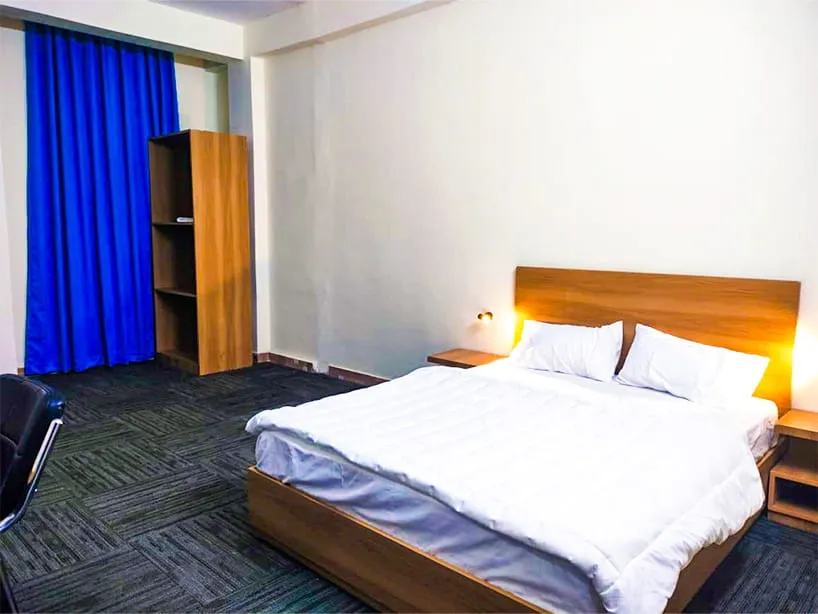
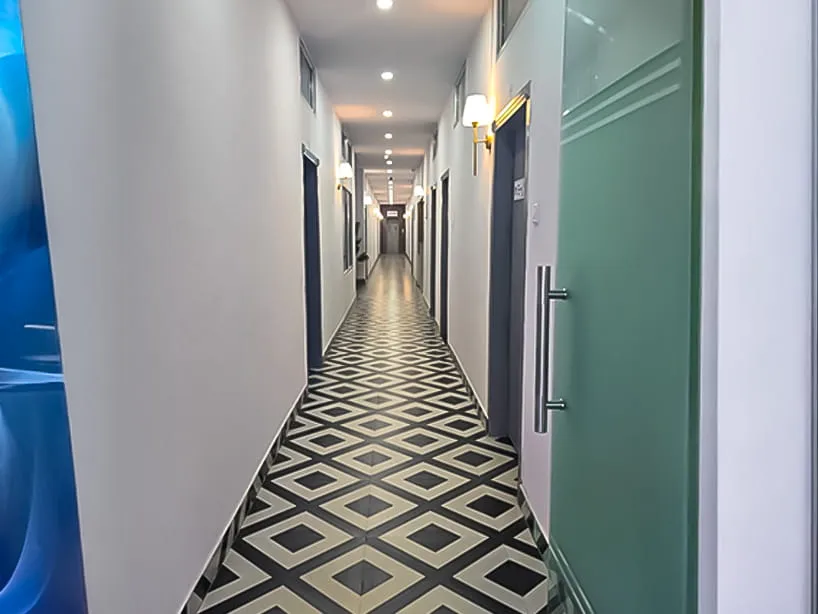
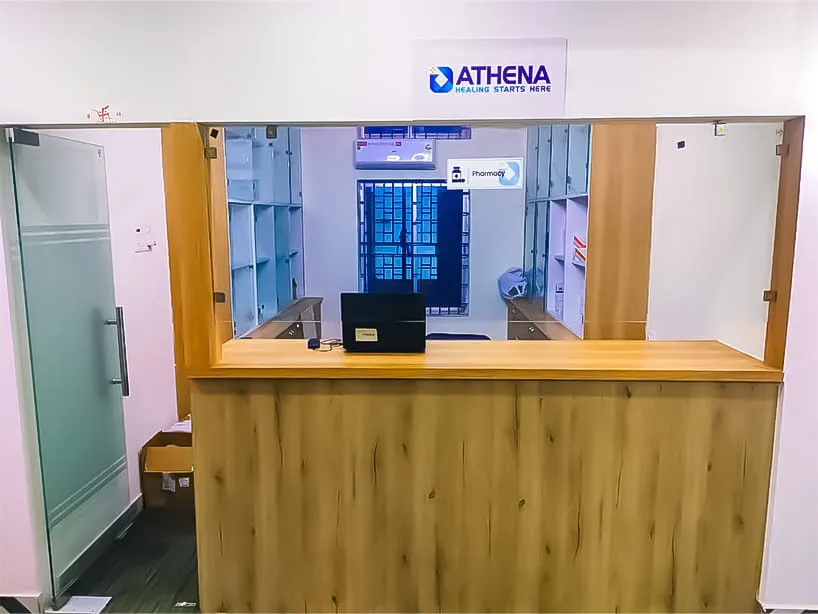
Take a Look Inside Our Guwahati Facility





Conditions We Treat















.png)






WHAT OUR PATIENTS SAY
Frequently Asked Questions
Severe depression generally responds better to a combination of medication management and structured psychotherapy, sometimes alongside short term hospitalisation for stabilisation. Our assessment identifies the right approach based on the individual's specific symptoms and history.
Reluctance is common, especially given stigma around mental illness. Our team can guide you on how to raise the subject gently and encourage the person toward a voluntary first consultation.
A psychiatrist is a medical doctor who can diagnose conditions and prescribe medication, while a psychologist focuses on therapy and behavioural support. Our team includes both, working together on each case.
In most cases, yes. Out-patient treatment is designed to fit around daily responsibilities, and only more severe cases typically require a period away from work or studies for closer care.
These symptoms warrant prompt psychiatric evaluation, and in urgent situations, immediate medical attention. Please do not wait for symptoms to worsen before reaching out.
No, most patients are managed effectively through out-patient consultations and therapy. Hospitalisation is generally recommended only for severe symptoms, safety concerns, or conditions requiring close medical observation.
Confidentiality is maintained as standard practice, and no information is shared with family, employers or anyone else without the patient's explicit consent, except in situations involving immediate safety risk.
This varies by condition and individual response. Some symptoms improve within weeks of starting treatment, while chronic conditions often require months of consistent care and periodic follow up.
Not always. Milder cases may respond well to therapy alone, while more moderate to severe symptoms often benefit from medication alongside therapy. This is decided after a proper psychiatric evaluation.
We can usually arrange a same day or next day psychiatric assessment, and our team is available around the clock for urgent situations requiring immediate attention.
How to reach Athena - Guwahati
Athena Behavioral Health, Guwahati
Athena Behavioral Health, Guwahati, Assam
Landmark: Guwahati
- Guwahati City
- Northeast India region
Contact us: +919289086193
Speak to Our Care Team - 24×7 Confidential Support
Confidential help is just a call or chat away. Our team is ready to listen - without judgment, without pressure.