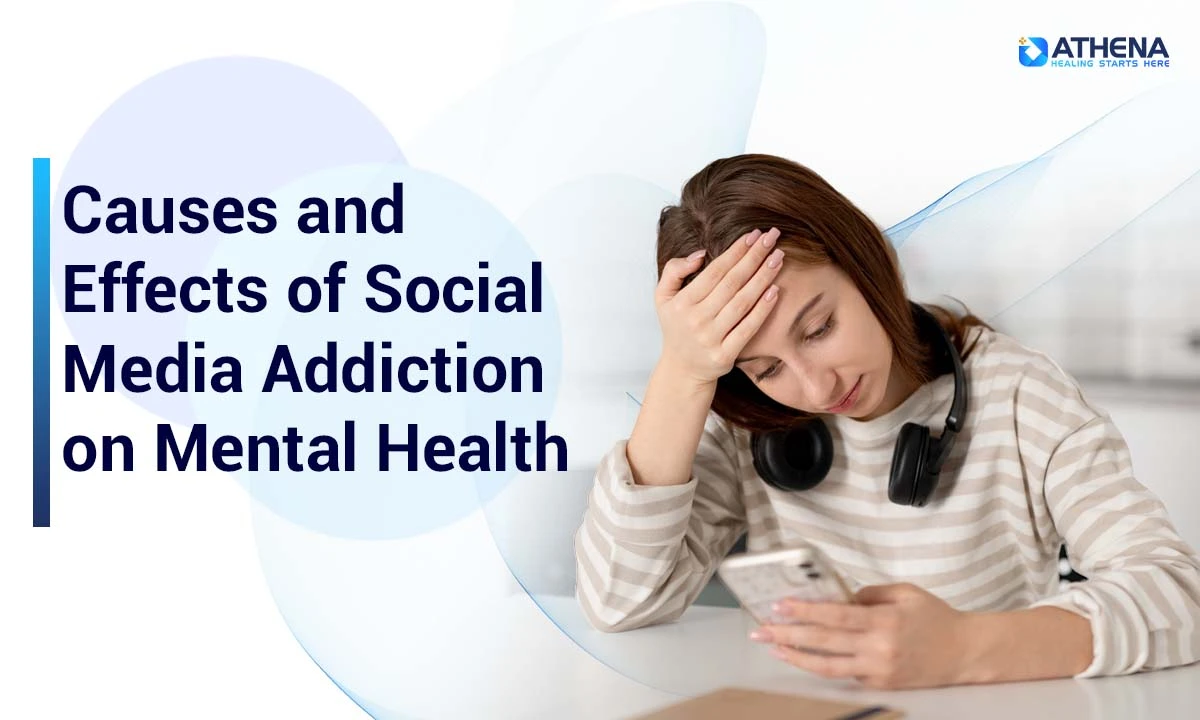


If your teenager is glued to a screen from morning to night, you are not alone. For many Indian families, the phone is now a classroom, playground and social circle in one. But when teens addicted to phones struggle to put them down, even at the cost of sleep, studies and relationships, it may be more than a bad habit.
What Is Teen Smartphone Addiction?
Smartphone addiction is not a formal diagnosis, so clinicians often call it problematic smartphone use. It usually shows up as:
Losing control over screen time
Feeling anxious or irritable without the phone
Continuing to use it despite harm to school, sleep or relationships
Why Are Teens So Vulnerable to Phone Addiction?
Teens are more prone to problematic phone use because the part of the brain that controls impulses is still developing. Apps add to this by using rewards like likes, streaks and endless scrolling, which keep the brain coming back for more. Several factors raise the risk:
Peer pressure and fear of missing out (FOMO)
Using the phone to cope with stress, boredom or loneliness
Academic pressure and limited outlets for relaxation
Little structure around screen use at home
Cellphone Use and Teen Mental Health: What Is the Link?
Research links heavy phone use with anxiety, depression and poor sleep in adolescents. The link works both ways. A teen who is already stressed or low may reach for the phone to cope, which can deepen the problem.
Cell Phones and Teenage Depression
Late-night scrolling, social comparison and cyberbullying can lower self-esteem and mood. Constant exposure to filtered, curated lives can leave teens feeling “not good enough”. If heavy phone use comes with persistent sadness, withdrawal or hopelessness, it deserves attention. Our guide on signs of depression in Indian teenagers can help you tell the difference.
Anxiety and Emotional Regulation
Constant notifications keep the mind on alert. Over time, teens may find it harder to sit with boredom, manage frustration or handle conflict without reaching for the screen.
Sleep Loss
Scrolling late at night delays sleep. Tired teens are more irritable, less focused and more vulnerable to low mood.
How Phone Overuse Affects Studies, Focus and Relationships
Heavy phone use rarely stays confined to the screen. Frequent notifications break concentration, making it harder for teens to study, finish homework or stay attentive in class. Grades may slip, and hobbies that once mattered can fade.
Relationships suffer too. Teens may spend less time with family, skip social plans or feel more connected online than in person. Over time, this can increase loneliness, which can feed low mood and anxiety. If you notice these changes, they are worth discussing early, before they affect confidence and mental health.
Signs Your Teenager Is Addicted to a Cell Phone
Lying about or hiding screen time
Anger or tantrums when the phone is taken away
Falling grades or lost interest in hobbies and friends
Sleeping late, frequent headaches or eye strain
Choosing the phone over family time and offline activities
Mood swings or restlessness when offline
Social media is often the biggest pull. Read more in our blog on social media addiction in teens.
How to Help a Teen Struggling With Phone Overuse
Start with curiosity, not punishment: Ask what the phone gives them: connection, escape or relief. Asking angrily “Are you addicted?” usually ends the conversation.
Set limits together: Agree on phone-free zones such as meals and bedrooms at night.
Lead by example: Teens notice when parents scroll through dinner.
Protect sleep: Charge phones outside the bedroom.
Build offline joy: Encourage sports, hobbies, outings and time with friends.
Use app limits as support, not surveillance.
When to Seek Professional Help
Reach out if phone use has affected school, sleep or relationships for weeks, or if your teen seems persistently sad, anxious or withdrawn. A psychiatrist or psychologist can assess whether anxiety, depression or ADHD lies behind the overuse.
At Athena Behavioral Health, our teams offer internet and mobile addiction treatment, specialised support through child and adolescent psychiatry, and care for depression. If your teen speaks about self-harm or feeling hopeless, seek help immediately.