
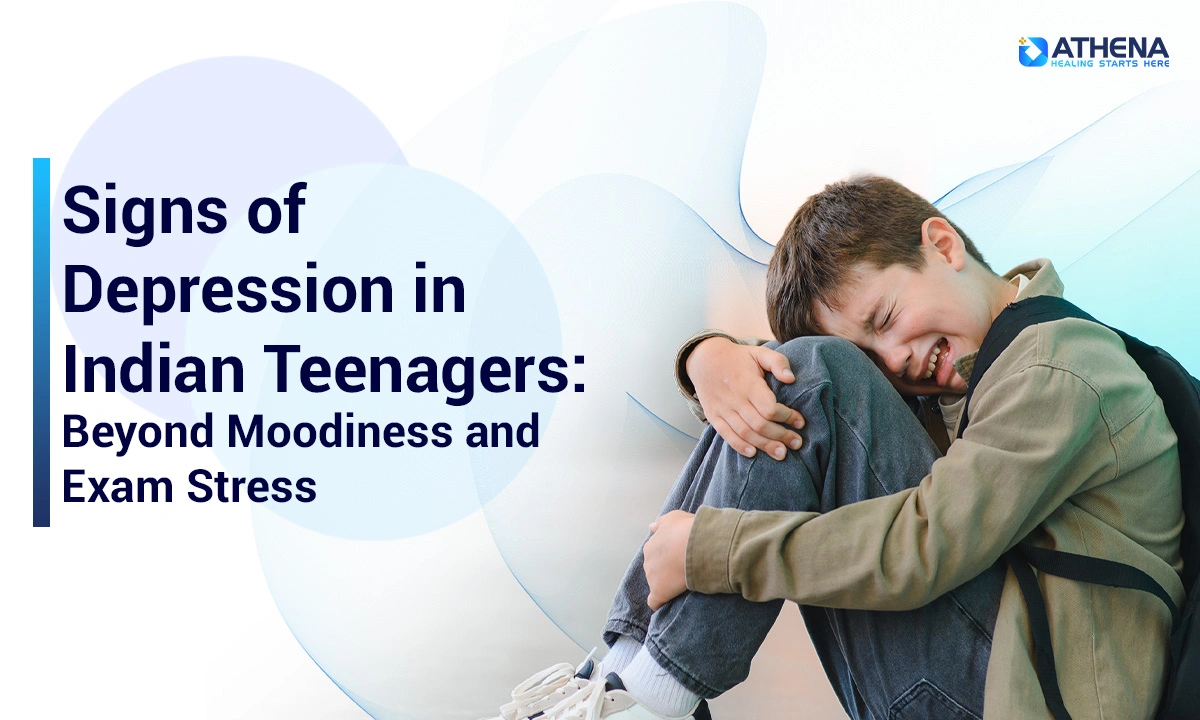

Signs of depression in teenagers India often extend beyond mood swings or exam stress. Persistent sadness, irritability, withdrawal, changes in sleep or appetite, declining academic performance, and loss of interest lasting two weeks or more may indicate depression. Early recognition and professional mental health support can make a meaningful difference.
Recognising the signs of depression in teenagers India is essential because depression is more than a temporary emotional phase. While stress, hormonal changes, and academic pressure are common during adolescence, persistent emotional and behavioural changes deserve attention. At Athena Behavioral Health, evidence-based assessment and treatment help teenagers and families understand these challenges and begin the path to recovery. Could what seems like "normal teenage behaviour" actually be a silent cry for help?
Why Depression in Indian Teenagers Often Goes Unnoticed
Teenagers experience emotional ups and downs as they grow, making it difficult to distinguish between typical adolescent behaviour and a mental health condition. In many Indian families, prolonged sadness, irritability, or withdrawal may be dismissed as exam pressure, excessive screen time, or "just a phase."
Cultural beliefs can also delay recognition. Many young people hesitate to express emotional distress because they fear being misunderstood, judged, or labelled as weak. Parents may focus primarily on academic performance, overlooking subtle emotional changes that gradually affect every aspect of a teenager's life.
Depression is not simply feeling sad. It is a medical condition that influences emotions, thoughts, behaviour, physical health, and daily functioning.
To better understand what depression means in a broader clinical context, explore
Signs of Depression in Teenagers India: What Families Should Watch For
Understanding the signs of depression in teenagers India allows parents, caregivers, and teachers to identify concerns before they become more serious.
Emotional Signs
Depression often begins with noticeable emotional changes, including:
Persistent sadness or emptiness
Irritability that lasts for weeks
Feelings of hopelessness
Low self-esteem
Frequent crying
Loss of interest in hobbies, sports, or social activities once enjoyed, read more on whether
the feeling of depression is common among teenagers
Unlike temporary disappointment, these feelings persist and interfere with everyday life.
Behavioural Signs
Teenagers may also display behavioural changes such as:
- Withdrawing from family and friends
- Avoiding social activities
- Losing motivation
- Spending excessive time alone
- Increased anger or frustration
- Reduced participation in hobbies or sports
- Co-occurring substance misuse or risky behaviors, learn about specialized care through our depression and addiction treatment programs
Sometimes these behaviours are mistaken for typical teenage independence when they actually reflect emotional distress.
Physical Signs
Depression can affect physical health as well.
Common symptoms include:
Sleeping too much or too little
Persistent fatigue and low energy, long-term physical strain can even raise questions like
can depression cause heart attack due to stress on the body.Appetite changes
Weight fluctuations
Frequent headaches
Unexplained body aches
These symptoms often have no obvious medical cause but significantly impact daily functioning.
Academic Signs
School performance frequently changes when depression develops.
Watch for:
Falling grades
Difficulty concentrating
Missing assignments
Lack of motivation
Frequent school absences
Reduced participation in class
Academic struggles should always be viewed alongside emotional wellbeing rather than as isolated problems.
Social Signs
Teenagers experiencing depression may gradually disconnect from people around them by:
Avoiding friends
Feeling isolated
Refusing family outings
Becoming unusually quiet
Losing confidence in social situations
These changes often develop slowly, making them easy to overlook.
Is It Depression or Typical Teenage Moodiness?
Many parents wonder whether emotional changes are simply part of adolescence.
Typical Teenage Moodiness | Possible Depression |
Temporary emotional changes | Symptoms lasting two weeks or longer |
Mood improves after positive events | Persistent sadness or emptiness |
Continues enjoying favourite hobbies | Loss of interest in enjoyable activities |
Normal friendships remain | Withdrawal from friends and family |
Academic performance remains stable | Noticeable decline in school performance |
The duration, severity, and impact on daily life are important differences. Persistent symptoms that affect relationships, learning, and wellbeing should not be ignored.
See
Why Depression in Indian Teenagers May Look Different
The signs of depression in teenagers India are often influenced by unique social and cultural pressures.
Many adolescents face:
Intense academic competition
Entrance examination pressure
Expectations to excel
Fear of disappointing family
Bullying
Social media comparison
Career uncertainty
Difficulty discussing emotions openly
Instead of openly expressing sadness, some teenagers become irritable, argumentative, emotionally distant, or physically exhausted. Others continue performing well academically while silently struggling with overwhelming emotional pain.
Understanding these cultural influences helps families recognise depression earlier.
Could These Signs Explain Lifelong Emotional Patterns?
Many adults looking back on their teenage years realise they experienced emotional struggles that were never recognised.
Perhaps you remember:
Feeling persistently different from your peers
Constant self-criticism
Emotional numbness
Difficulty forming close relationships
Ongoing anxiety
Chronic low confidence
Perfectionism driven by fear of failure
Recognising these lifelong patterns can be an important first step toward understanding your mental health. However, self-recognition is not the same as diagnosis. Only qualified mental health professionals can determine whether current or past symptoms meet the criteria for depression or another mental health condition.
When Should Parents Seek Professional Help?
If the signs of depression in teenagers India continue for more than two weeks or begin interfering with everyday life, professional evaluation is recommended.
Seek support if your teenager experiences:
Persistent sadness
Severe withdrawal
Significant academic decline
Frequent hopelessness
Loss of interest in daily activities
Changes in eating or sleeping habits
Self-harm behaviours
Talking about death or suicide
These symptoms should never be dismissed as attention-seeking or typical adolescence.
If there are concerns about self-harm or suicidal thoughts, immediate emergency mental health support should be sought.
How Mental Health Professionals Assess Depression
Depression cannot be diagnosed through a blood test or a single questionnaire.
A comprehensive assessment usually includes:
Detailed clinical interview
Emotional and behavioural history
Family history
Medical evaluation
Standardised psychological assessments
Discussion with parents or caregivers when appropriate
This thorough approach helps professionals understand the teenager's overall emotional health and recommend the most appropriate treatment plan.
Treatment and Recovery: There Is Hope
Recognising the signs of depression in teenagers India early allows treatment to begin before symptoms become more severe.
Treatment is personalised and may include:
Evidence-Based Therapy
Psychological therapies such as Cognitive Behavioural Therapy (CBT), interpersonal therapy, and family therapy help teenagers develop healthier coping strategies and improve emotional wellbeing.
Healthy Lifestyle Support
Regular sleep, balanced nutrition, physical activity, structured routines, and supportive relationships can strengthen recovery alongside professional treatment.
Comprehensive clinical support is available through specialized
Medication
For moderate to severe depression, psychiatrists may recommend medication when clinically appropriate. Medication decisions are made carefully and monitored regularly as part of a comprehensive treatment plan.
Most importantly, depression is treatable, and many teenagers recover successfully with timely intervention and continued support.
Supporting a Teen Without Making Them Feel Judged
Families play a powerful role in recovery.
Helpful approaches include:
Listen without interrupting.
Validate their emotions instead of dismissing them.
Avoid criticism or comparisons.
Encourage open conversations.
Maintain predictable routines.
Support professional treatment.
Celebrate small improvements rather than expecting immediate change.
A supportive home environment helps teenagers feel safe enough to express difficult emotions.
Conclusion
The signs of depression in teenagers India are often subtle, and they can easily be mistaken for ordinary adolescence or exam-related stress. Paying attention to persistent emotional, behavioural, physical, and academic changes allows families to recognise when a teenager may need help. Early intervention not only improves recovery but also supports healthier emotional development well into adulthood.
Take the First Step with Athena Behavioral Health
If you recognise the signs of depression in teenagers India in your child, or even see similar patterns reflected in your own adolescence, professional support can make all the difference. At Athena Behavioral Health, our experienced psychiatrists, psychologists, and multidisciplinary mental health team provide compassionate, evidence-based assessment and personalised treatment tailored to each individual's needs. Don't wait for symptoms to become overwhelming. Reach out to Athena Behavioral Health today and begin the journey toward understanding, healing, and lasting emotional well-being.