
The early symptoms of an anxiety attack usually include a racing heart, tight chest, shallow breathing, and a sudden wave of dread. These signs of an anxiety attack often build gradually and combine physical, emotional, and behavioral signals, which means catching them early gives you a real chance to calm your body before things escalate. Below, we cover every early symptom in detail, how anxiety attacks differ from panic attacks, common triggers, and when to seek help.
What Is an Anxiety Attack?
An anxiety attack is an occurrence characterized by fear, anxiety, or worry that goes along with physiological changes. An anxiety attack is different from random episodes of being stressed because the anxiety attack develops over minutes and hours and can be related to some specific cause like a deadline at work, illness, or a social event.
Despite the fact that people commonly use the term "anxiety attack," it is not considered a specific diagnosis within clinical psychology. Rather, specialists use this term to denote a state of increased anxiety with both psychological and physiological components. On the contrary, panic attacks have been established as a clinically diagnosed disorder, and hence it is important to make a distinction between them.
Early Warning Signs of an Anxiety Attack
Anxiety attacks rarely happen without warning. On the contrary, they are preceded by several symptoms which become more pronounced over time. This means that recognizing them early will allow you to apply coping mechanisms before you reach the peak of the attack.
The most common signs are:
A rising sense of anxiety and fear related to something you are worried about
Rapid or obsessive thoughts, often containing many "what if" ideas
An increase in heartbeat and breathing
Shoulder, jaw, and hand muscles becoming tense
Restlessness
Inability to concentrate
The feeling of being "on edge"
Since these signs may be hard to detect at first, it is important to notice any changes in your physical state and mood as soon as possible.
Physical Symptoms of an Anxiety Attack
Physical symptoms often feel the most alarming because they mimic other medical conditions, including heart problems. However, these sensations are a direct result of your body's stress response, also known as the fight-or-flight reaction.
Physical Symptom | What It Feels Like |
Racing heart | Pounding or fluttering sensation in the chest |
Shortness of breath | Feeling like you cannot get a full breath |
Sweating | Clammy hands or sudden perspiration |
Trembling or shaking | Shaky hands, legs, or voice |
Chest tightness | Pressure or discomfort in the chest area |
Nausea or stomach upset | Queasy feeling or digestive discomfort |
Dizziness or lightheadedness | Feeling faint or unsteady |
Hot flashes or chills | Sudden temperature changes in the body |
Dry mouth | Reduced saliva production during stress |
Since these physical symptoms often overlap with other health conditions, it's important to rule out medical causes with a doctor, especially if chest pain or breathing difficulty occurs frequently.
Emotional and Cognitive Signs
Beyond the physical symptoms, anxiety attacks bring on a wave of emotional and mental distress. These signs are just as important to recognize because they often appear before the physical symptoms fully develop.
Emotional Signs
Overwhelming fear or dread that feels disproportionate to the situation
Excessive worry that is hard to control
A sense of impending doom or danger
Irritability or feeling on edge
Feeling detached from yourself or your surroundings
Cognitive Signs
Racing or intrusive thoughts
Difficulty concentrating or making decisions
Catastrophizing, or assuming the worst possible outcome
Trouble remembering details during the episode
A feeling that your mind is "foggy" or overwhelmed
Behavioral Signs to Watch For
Anxiety is not only physical and psychological but can also manifest through changes in behavior. Thus, behavioral changes will be the most evident manifestation for those around you, despite your best efforts to conceal how you feel on the inside.
Avoiding environments or situations that cause anxiety
Pacing or difficulty sitting still
Constant seeking of reassurance from others
Social withdrawal
Struggling with completing daily tasks
Altered sleeping patterns, including difficulty falling or staying asleep
Anxiety Attack vs. Panic Attack: What Is the Difference?
Many people use these two terms interchangeably, but they are not the same thing. Understanding the difference between anxiety attack and a panic attack helps you respond appropriately and communicate more clearly with a healthcare provider.
Features | Anxiety Attack | Panic Attack |
Onset | Builds gradually over minutes or hours | Strikes suddenly, often within 10 minutes |
Trigger | Usually tied to a specific stressor | Can occur without any clear trigger |
Duration | May last for an extended period | Typically peaks and fades within 20-30 minutes |
Intensity | Moderate to severe | Often extremely intense |
Clinical status | Not a formal diagnosis | Recognized diagnosis in the DSM-5 |
Physical symptoms | Present but often milder | Often severe, including fear of dying |
Since panic attacks are more sudden and intense, they can sometimes feel like a medical emergency, whereas anxiety attacks generally give you more time to notice and manage the building symptoms.
Common Triggers of Anxiety Attacks
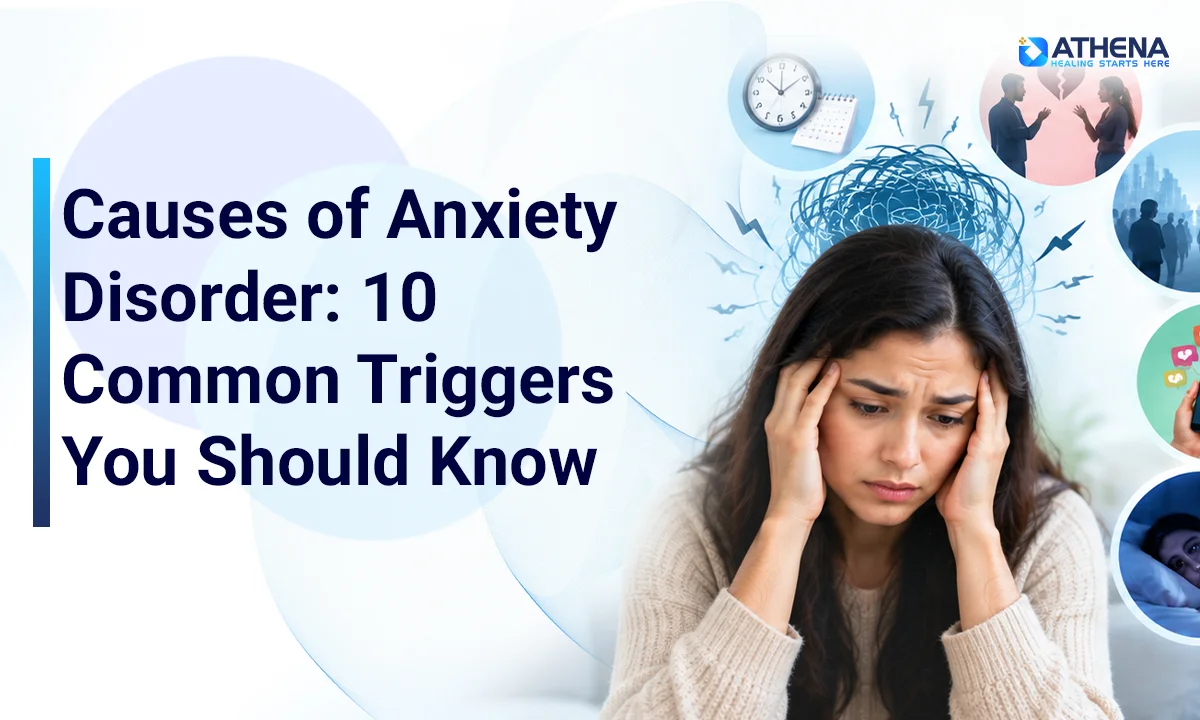
Anxiety attacks do not just happen at random; rather, they occur in relation to certain stressful factors even though they are not apparent at the outset. These can be things like:
Job or study-related stressors
Financial issues or insecurity
Relationship issues or drastic changes in your life
Medical problems or new diagnoses
Social encounters such as public speaking or gatherings
Bad memories from the past
Caffeine consumption or lack of sleep
Due to the wide array of causes that are different for each person, it would be helpful to have a notebook of the triggers and their occurrence times.
How Long Does an Anxiety Attack Last?
Most anxiety attacks last anywhere from a few minutes to about 20 minutes, although some episodes can stretch on for hours if the underlying stressor is not resolved. Importantly, even when the symptoms feel intense and never-ending, they do eventually pass. Reminding yourself of this fact during an episode can actually help reduce its intensity.
Anxiety Attacks in Children
The way that anxiety manifests itself is different for children as compared to adults, and it can easily go unnoticed. While they do not describe their fear directly, what children suffer from anxiety include:
Pain in stomach or head with no apparent medical reason.
Dependency or unwillingness to be away from parents.
Avoiding school or particular activities.
Aggression or having temper tantrums.
Difficulty falling asleep or suffering from nightmares.
For the fact that children cannot express themselves clearly, an early intervention by a parent, educator or pediatric psychiatrist makes a big difference.
Self-Assessment: Could You Be Having an Anxiety Attack?
If you are unsure whether what you are experiencing is an anxiety attack, ask yourself the following questions:
Did my symptoms build gradually in response to a stressor?
Am I experiencing both physical and emotional symptoms at the same time?
Do I feel a strong urge to avoid or escape the situation?
Have these episodes happened more than once in recent weeks?
Are the symptoms interfering with my daily responsibilities?
If you answered yes to several of these questions, it is worth discussing your anxiety attack symptoms with a healthcare provider or licensed therapist.
When to Seek Professional Help
While occasional anxiety is a normal part of life, certain signs indicate that it's time to reach out for professional support:
Anxiety attacks occur frequently or without an identifiable trigger
Symptoms interfere with work, school, or relationships
You begin avoiding everyday situations out of fear of another attack
Physical symptoms, such as chest pain, are frequent or severe
You experience persistent low mood alongside anxiety
Coping strategies no longer seem to help
A licensed therapist or psychiatrist can help you determine whether you are dealing with generalized anxiety disorder, panic disorder, or another related condition, and can guide you toward effective treatment.
Effective Ways to Manage Anxiety Attack Symptoms
Once you recognize the early signs, there are several strategies that can help calm your body and mind:
Strategies | How It Helps |
Deep breathing exercises | Slows heart rate and activates the calming nervous system |
Grounding techniques | Redirects focus away from racing thoughts |
Progressive muscle relaxation | Releases physical tension in the body |
Cognitive behavioral therapy (CBT) | Addresses thought patterns that fuel anxiety |
Regular exercise | Reduces overall stress hormone levels |
Limiting caffeine and alcohol | Prevents physical symptoms from worsening |
Consistent sleep schedule | Supports emotional regulation |
Talking to a trusted person | Provides immediate emotional support |
Since everyone responds differently to these techniques, it often takes some trial and error to find what works best for your specific symptoms.
Conclusion
Recognizing the early signs of an anxiety attack, including racing thoughts, physical tension, and a growing sense of dread, gives you the power to respond before symptoms escalate. Although anxiety attacks can feel overwhelming in the moment, they are manageable with the right combination of self-awareness, coping strategies, and professional support when needed. If you notice these symptoms happening often or affecting your daily life, reaching out to a mental health professional is a strong and worthwhile step toward feeling better.
If you find yourself experiencing these episodes frequently, or living in constant fear of the next one, it's worth reaching out to a licensed mental health professional to discuss anxiety disorder treatment in India and the right treatment path for you.