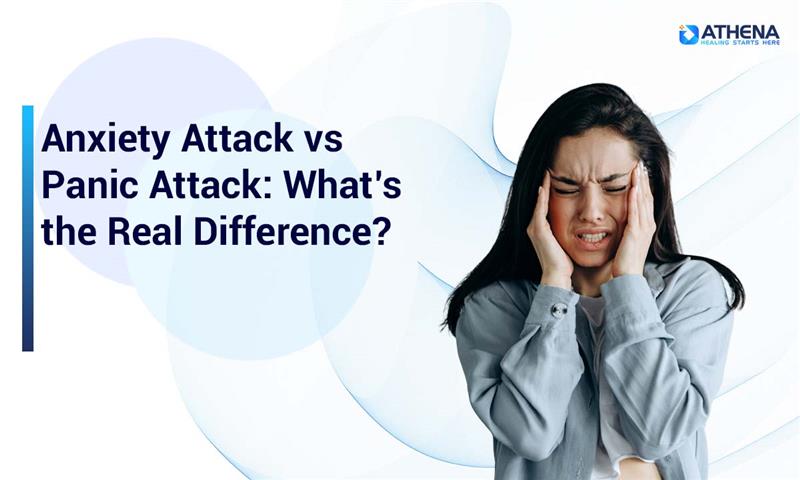

A panic attack usually starts suddenly and causes intense fear and physical symptoms that peak within minutes, while an anxiety attack generally develops gradually because of ongoing stress or worry. Although both can feel similar, their onset, intensity, duration, and triggers can help distinguish them.
The difference between panic attack and anxiety attack can sometimes be difficult to recognize because both can cause emotional distress and physical symptoms. However, understanding how they differ can help you identify symptoms and seek appropriate support. At Athena Behavioral Health, mental health professionals help individuals manage and recover from anxiety-related conditions through evidence-based care and personalized treatment plans.
What Is an Anxiety Attack?
An anxiety attack is a period of intense worry, fear, or nervousness that typically develops in response to a stressful situation. Although the term "anxiety attack" is commonly used, it is not officially recognized as a clinical diagnosis in the Diagnostic and Statistical Manual of Mental Disorders (DSM-5). Individuals experiencing persistent or disruptive symptoms may benefit from specialized
Anxiety symptoms often build gradually and may persist for hours, days, or even weeks if the underlying stress remains unresolved.
Common Symptoms of an Anxiety Attack
Anxiety attacks may involve symptoms such as:
- Excessive worry or fear
- Restlessness
- Difficulty concentrating
- Increased heart rate
- Muscle tension
- Irritability
- Fatigue
- Sleep disturbances
- Feeling overwhelmed
People experiencing anxiety attacks are often aware of the source of their stress, such as work pressure, financial concerns, academic challenges, or relationship issues.
What Is a Panic Attack?
A panic attack is a sudden episode of intense fear that reaches its peak within minutes. It may occur unexpectedly, even when there is no immediate danger or obvious trigger. Those suffering from recurrent episodes often seek targeted
One reason people search for the difference between panic attack and anxiety attack is because panic attacks can feel similar to medical emergencies. Many individuals believe they are having a heart attack due to the severity of their symptoms, raising common concerns like
Common Symptoms of a Panic Attack
Common symptoms of a panic attack include:
- Rapid heartbeat
- Chest pain or tightness
- Shortness of breath
- Sweating
- Trembling or shaking
- Dizziness (leading many to ask can anxiety cause dizziness )
- Nausea
- Chills or hot flashes
- Fear of losing control
- Fear of dying
Panic attacks are often associated with panic disorder, including complex presentations classified under
Panic Attack vs Anxiety Attack: Key Differences
Understanding the difference between panic attack and anxiety attack becomes easier when comparing a few important characteristics.
Onset
An anxiety attack generally develops gradually as stress builds over time.
A panic attack, on the other hand, usually occurs suddenly and may happen without warning.
Intensity
Anxiety attacks can be distressing, but panic attacks are typically far more intense and overwhelming.
Duration
Anxiety symptoms can continue for an extended period, particularly when the underlying stress remains unresolved.
Panic attacks usually reach their peak within 10 to 20 minutes, although some symptoms may continue afterward.
Triggers
Anxiety attacks are commonly connected to identifiable stressors or ongoing worries.
Panic attacks can occur unexpectedly, including during situations when a person feels calm.
Physical Symptoms
Panic attacks often produce stronger physical reactions, including chest pain, dizziness, and difficulty breathing.
Difference Between Panic Attack and Anxiety Attack: Comparison Table
Feature | Anxiety Attack | Panic Attack |
Onset | Gradual | Sudden |
Intensity | Moderate to severe | Very intense |
Trigger | Usually identifiable | May occur unexpectedly |
Duration | Hours to days | Minutes |
Physical Symptoms | Present but manageable | Severe and overwhelming |
Fear Response | Persistent worry | Extreme fear and terror |
This table highlights the most important aspects of the difference between panic attack and anxiety attack for quick understanding.
Why Do Panic Attacks and Anxiety Attacks Occur?
Several factors can contribute to anxiety and panic symptoms. Understanding these factors can also make it easier to recognize the difference between panic attack and anxiety attack.
Common Causes of Anxiety Attacks
Common causes or triggers may include:
- Chronic stress
- Workplace pressure
- Financial concerns
- Academic stress
- Family conflicts
- Health worries
Common Causes of Panic Attacks
Panic attacks may be associated with factors such as:
- Panic disorder
- Traumatic experiences
- Genetic predisposition
- Major life changes
- Certain medical conditions
- Substance misuse
Understanding these underlying causes can help explain the difference between panic attack and anxiety attack and guide treatment decisions.
Risk Factors That Increase Vulnerability
Certain individuals may be more likely to experience panic attacks or anxiety attacks.
Lifestyle Factors
- Poor sleep habits
- Excessive caffeine consumption
- Lack of exercise
- Chronic stress
Mental Health Conditions
- Generalized Anxiety Disorder (GAD)
- Social Anxiety Disorder
- Depression
- Post-Traumatic Stress Disorder (PTSD)
Family History
A family history of anxiety disorders or panic disorder may increase the likelihood of experiencing these symptoms.
Substance Use
Alcohol misuse, stimulant use, and withdrawal from certain substances may contribute to symptoms, often requiring specialized
When Should You Seek Professional Help?
Occasional anxiety is a normal part of life. However, professional support may be helpful when symptoms become persistent, severe, or begin interfering with everyday functioning.
Signs You Should Not Ignore
- Frequent panic attacks
- Constant worry or fear
- Avoidance of social situations
- Difficulty performing daily responsibilities
- Sleep disruption
- Relationship problems
Seeking help early can prevent symptoms from becoming more severe and improve long-term outcomes.
How Mental Health Professionals Diagnose Panic and Anxiety Disorders
Mental health professionals use a comprehensive assessment process that may include:
Clinical Evaluation
A detailed discussion of symptoms, medical history, and personal experiences.
Psychological Assessments
Standardized questionnaires and screening tools help identify patterns and severity.
Medical Evaluation
Healthcare providers may rule out physical conditions that can mimic panic or anxiety symptoms, such as thyroid disorders or heart-related concerns.
Treatment Options for Panic Attacks and Anxiety Disorders
The good news is that both conditions are highly treatable.
Cognitive Behavioral Therapy (CBT)
CBT helps individuals identify and change thought patterns that contribute to anxiety and panic symptoms. Learning practical grounding strategies and
Medication Management
In some cases, medication may be recommended as part of a comprehensive treatment plan.
Stress Management Techniques
- Deep breathing exercises
- Progressive muscle relaxation
- Mindfulness practices
- Guided meditation
Lifestyle Modifications
- Regular physical activity
- Balanced nutrition
- Improved sleep habits
- Reduced caffeine intake
Family Support and Counseling
Support from loved ones and family-focused therapy can play an important role in recovery.
At Athena Behavioral Health, treatment plans are tailored to each individual's unique needs, combining evidence-based therapies with compassionate mental health care.
Can Panic Attacks and Anxiety Attacks Be Prevented?
While it may not always be possible to prevent every episode, several strategies can reduce frequency and severity.
Helpful Prevention Strategies
- Maintain a consistent sleep schedule
- Practice mindfulness regularly
- Exercise most days of the week
- Manage stress proactively
- Seek professional support early
- Avoid excessive caffeine and alcohol
Understanding the difference between panic attack and anxiety attack also helps individuals recognize symptoms sooner and respond effectively.
Real-Life Example: Anxiety Attack vs Panic Attack
Imagine a student worrying about upcoming exams for several weeks. Their anxiety gradually increases, causing sleepless nights, muscle tension, and constant worry. This resembles an anxiety attack.
Now imagine that same student suddenly experiences overwhelming fear, chest tightness, dizziness, and difficulty breathing moments before entering the examination hall. The symptoms appear abruptly and intensely. This resembles a panic attack.
These examples clearly demonstrate the difference between panic attack and anxiety attack in real-world situations.
Conclusion
The difference between panic attack and anxiety attack primarily involves onset, intensity, duration, and triggers. Anxiety attacks tend to develop gradually in response to stress, while panic attacks appear suddenly and often feel overwhelming. Both can affect emotional well-being and daily functioning, but effective treatment options are available. Recognizing symptoms early and seeking professional support can make a significant difference in recovery and quality of life.
Take the First Step Toward Better Mental Health with Athena Behavioral Health
If panic attacks, anxiety attacks, or ongoing emotional distress are affecting your daily life, professional help is available. Athena Behavioral Health provides comprehensive mental health care through experienced psychiatrists, psychologists, therapists, and evidence-based treatment programs. Whether you need assessment, counseling, therapy, or structured treatment support, Athena is committed to helping individuals regain control, build resilience, and achieve lasting recovery. Reach out today and begin your journey toward better mental health and well-being.