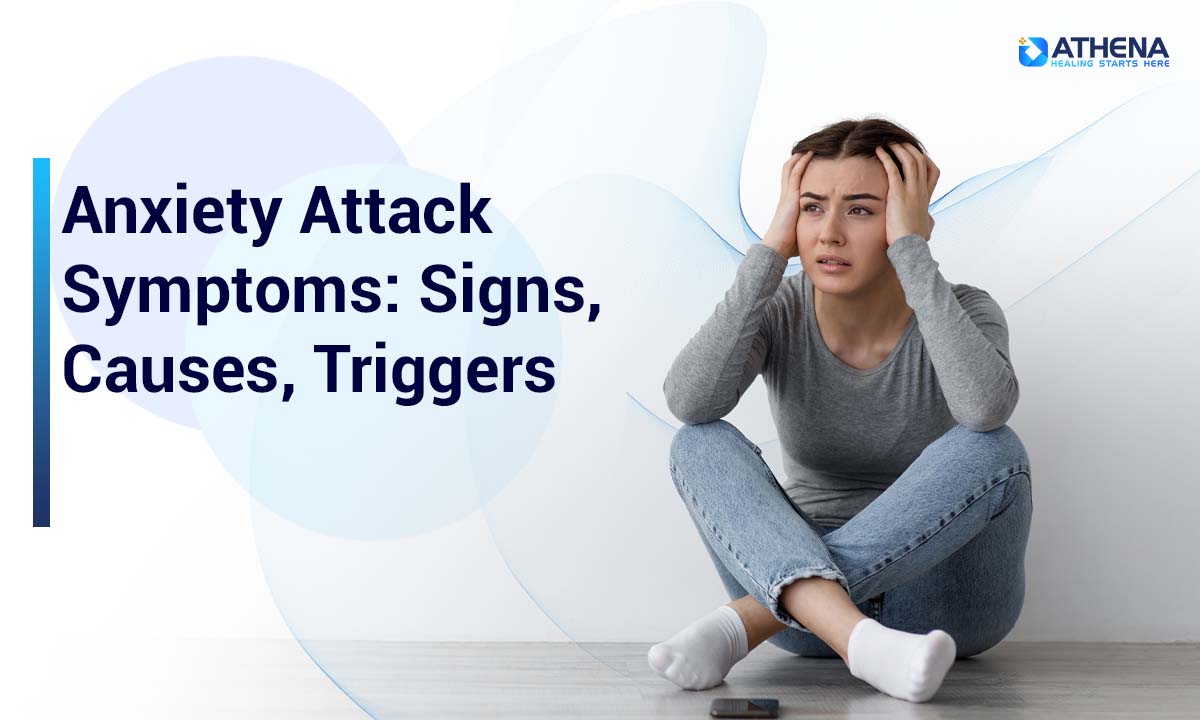

What are anxiety attack symptoms? Anxiety attack symptoms may include excessive worry, rapid heartbeat, sweating, trembling, chest tightness, shortness of breath, and difficulty concentrating.
Can anxiety attacks be treated? Yes, therapy, lifestyle changes, and professional mental health support can help manage symptoms effectively.
When should you seek help? If symptoms become frequent, intense, or interfere with daily life, professional evaluation is recommended.
Anxiety attack symptoms can affect both emotional and physical well-being, causing overwhelming fear, racing thoughts, and uncomfortable bodily sensations. Recognizing these symptoms early can help individuals seek appropriate support and improve their quality of life. At Athena Behavioral Health, we believe that awareness, early intervention, and evidence-based care play an essential role in helping individuals manage anxiety effectively.
Understanding Anxiety Attacks
Feeling anxious before a major presentation, exam, or life event is normal. Anxiety becomes concerning when feelings of fear, worry, or nervousness become persistent, intense, and difficult to control.
An anxiety attack is often used to describe episodes of overwhelming anxiety that build gradually and affect a person's ability to function comfortably in daily life. Although "anxiety attack" is not an official medical diagnosis, it is a commonly used term that reflects the distress many individuals experience.
What Is an Anxiety Attack?
An anxiety attack refers to a period of heightened anxiety characterized by intense worry, fear, and emotional distress. These episodes may be triggered by specific situations, ongoing stress, or underlying conditions requiring comprehensive
Unlike panic attacks, which often occur suddenly and peak rapidly, anxiety attacks generally develop over time and are linked to identifiable stressors.
How Common Are Anxiety Attacks?
Anxiety-related disorders are among the most common mental health conditions worldwide.
Many people experience symptoms of anxiety at some point in their lives. However, when symptoms become persistent or disruptive, professional support may be beneficial.
Anxiety Attack Symptoms You Should Never Ignore
Recognizing anxiety attack symptoms early can help prevent them from worsening and interfering with daily activities.
Emotional Symptoms of Anxiety Attack
The emotional impact of anxiety can be significant and may include:
Excessive worrying
Persistent nervousness
Feeling overwhelmed
Fear of losing control
Irritability
Restlessness
Feeling constantly on edge
Sense of impending danger
Many individuals report feeling unable to relax, even in situations that appear safe or manageable.
Physical Anxiety Attack Symptoms
Physical symptoms are often the most noticeable and distressing. Common anxiety attack symptoms include:
Rapid heartbeat
Sweating
Trembling or shaking
Shortness of breath
Chest tightness
Muscle tension
Dry mouth
Dizziness
Nausea
Fatigue
Headaches
Stomach discomfort
Because these symptoms can mimic medical conditions, many individuals initially seek medical attention before recognizing anxiety as the underlying cause. People often wonder
Cognitive Symptoms of Anxiety
Anxiety also affects thought processes and mental clarity. Common symptoms of anxiety include:
Racing thoughts
Difficulty concentrating
Brain fog
Constant overthinking
Difficulty making decisions
Catastrophic thinking
Persistent self-doubt
These cognitive symptoms can affect productivity, academic performance, and daily functioning.
Behavioral Symptoms of Anxiety Attack
Behavioral changes may develop as individuals attempt to cope with anxiety.
Examples include:
Avoiding stressful situations
Social withdrawal
Seeking constant reassurance
Procrastination
Difficulty completing tasks
Reduced participation in activities once enjoyed
Avoidance may provide temporary relief but can reinforce anxiety over time.
Symptoms of Anxiety Attack vs Panic Attack Symptoms
Many people confuse anxiety attacks with panic attacks because they share several symptoms.
Similarities
Both conditions may involve:
Rapid heartbeat
Sweating
Fear
Difficulty breathing
Dizziness
Emotional distress
Differences
There are important distinctions between the two experiences.
Anxiety Attack | Panic Attack |
Develops gradually | Occurs suddenly |
Usually linked to stress | Can occur unexpectedly |
Builds over time | Peaks within minutes |
Persistent worry | Intense fear |
May last longer | Often shorter but more intense |
Understanding these differences can help individuals identify their symptoms more accurately and seek appropriate treatment.
What Causes Anxiety Attacks?
Anxiety attacks rarely have a single cause. They typically result from a combination of psychological, biological, and environmental factors.
Psychological Causes
Common psychological contributors include:
Chronic stress
Trauma
Negative thinking patterns
Perfectionism
Low self-esteem
Unresolved emotional challenges
Biological Factors
Research suggests that certain biological factors may increase vulnerability to anxiety.
These include:
Family history of anxiety disorders
Brain chemistry imbalances
Hormonal fluctuations
Certain medical conditions
Genetic predisposition
Lifestyle Triggers
Daily habits can significantly influence mental health.
Potential triggers include:
Poor sleep quality
Excessive caffeine consumption
Alcohol misuse
Sedentary lifestyle
Work-related stress
Constant exposure to stressful situations
Common Anxiety Attack Triggers
While triggers vary from person to person, several situations commonly contribute to anxiety episodes.
Workplace Stress: Heavy workloads, tight deadlines, and professional uncertainty can contribute to increased anxiety.
Financial Concerns: Debt, job instability, and economic pressures often trigger symptoms of anxiety.
Relationship Challenges: Conflict, separation, communication issues, and family stress can increase emotional distress.
Academic Pressure: Students frequently experience anxiety due to exams, performance expectations, and future career concerns.
Social Situations: Public speaking, networking events, and social gatherings may trigger anxiety in some individuals.
Health Concerns: Fear about personal health or the health of loved ones can contribute to persistent anxiety.
What Happens During an Anxiety Attack?
During an anxiety attack, the body's natural fight-or-flight response becomes activated.
The brain perceives a threat and releases stress hormones such as adrenaline. This response prepares the body to react quickly, resulting in physical sensations such as:
Increased heart rate
Rapid breathing
Muscle tension
Heightened alertness
Sweating
Although this response is designed to protect us during dangerous situations, it can become problematic when triggered unnecessarily.
Can Anxiety Attack Symptoms Feel Like a Heart Attack?
Yes. Many anxiety attack symptoms closely resemble symptoms associated with heart conditions. Physical sensations can leave people asking
Chest discomfort, rapid heartbeat, dizziness, sweating, and shortness of breath can be frightening and may lead individuals to believe they are experiencing a medical emergency.
Because some symptoms overlap, it is important to seek medical evaluation if symptoms are severe, new, or concerning.
When Do Anxiety Attack Symptoms Become a Serious Concern?
Occasional anxiety is a normal part of life. However, professional support may be necessary when symptoms become persistent or disruptive.
Warning signs include:
Frequent anxiety attacks
Difficulty performing daily tasks
Sleep disturbances
Relationship difficulties
Problems at work or school
Avoidance of normal activities
Persistent emotional distress
Seeking help early can improve outcomes and prevent symptoms from worsening.
How Anxiety Attacks Are Diagnosed
Mental health professionals use comprehensive evaluations to understand symptoms and identify potential causes.
Assessment may include:
Psychological interviews
Symptom review
Medical history evaluation
Mental health screening tools
Discussion of lifestyle factors and stressors
Accurate diagnosis helps guide personalized treatment planning.
Effective Treatment Options for Anxiety Attack Symptoms
The good news is that anxiety is highly treatable. Many individuals experience significant improvement with professional support.
Cognitive Behavioral Therapy (CBT)
CBT is one of the most effective approaches for treating anxiety. It helps individuals identify and change unhelpful thought patterns and behaviors.
Medication Management
In some cases, medication may be recommended to help manage symptoms, particularly when anxiety significantly affects daily functioning.
Stress Management Techniques
Learning healthy coping strategies can help reduce the intensity and frequency of anxiety attacks. Developing a clear plan on
Mindfulness and Relaxation Practices
Meditation, deep breathing, progressive muscle relaxation, and mindfulness exercises can help regulate emotional responses.
Lifestyle Modifications
Simple changes can support mental well-being, including:
Regular exercise
Consistent sleep habits
Balanced nutrition
Reduced caffeine intake
Improved work-life balance
Self-Help Strategies to Manage Anxiety Attack Symptoms
While professional support is valuable, self-care strategies can also play an important role.
Practice Deep Breathing: Slow, controlled breathing can help calm the nervous system during moments of distress.
Use Grounding Techniques: Focusing on the present moment can reduce overwhelming thoughts and restore a sense of control.
Stay Physically Active: Regular physical activity helps regulate stress hormones and improve mood.
Prioritize Sleep: Adequate rest supports emotional resilience and overall mental health.
Limit Stimulants: Reducing caffeine and other stimulants may help decrease anxiety symptoms.
Supporting Someone Experiencing Anxiety Attacks
Friends and family can make a meaningful difference.
Helpful approaches include:
Listening without judgment
Offering reassurance
Encouraging professional help
Being patient and supportive
Learning about anxiety disorders
Avoid dismissing feelings or telling someone to simply "calm down," as this may increase distress.
Living Well with Anxiety
Recovery does not necessarily mean eliminating all anxiety. Instead, it involves developing healthy coping skills and learning how to manage symptoms effectively.
Many individuals successfully lead fulfilling lives while managing anxiety through therapy, lifestyle changes, support systems, and ongoing self-care.
With the right treatment plan, long-term improvement is achievable.
Why Choose Athena Behavioral Health for Anxiety Treatment?
If anxiety is affecting your relationships, work performance, emotional well-being, or overall quality of life, professional support can make a significant difference.
Athena Behavioral Health provides comprehensive mental health care through experienced psychiatrists, psychologists, therapists, and behavioral health specialists. Our evidence-based treatment programs are designed to address the root causes of anxiety while equipping individuals with practical tools for long-term recovery.
Through personalized treatment plans, Cognitive Behavioral Therapy (CBT), psychiatric evaluation, medication management, and holistic therapeutic approaches, Athena Behavioral Health helps individuals regain confidence, emotional balance, and peace of mind.
Take the First Step Toward Better Mental Health
You do not have to manage anxiety alone. If you or a loved one is experiencing persistent anxiety attack symptoms, seeking professional support can be the beginning of a healthier and more fulfilling future. Contact Athena Behavioral Health today to learn more about personalized anxiety treatment options.