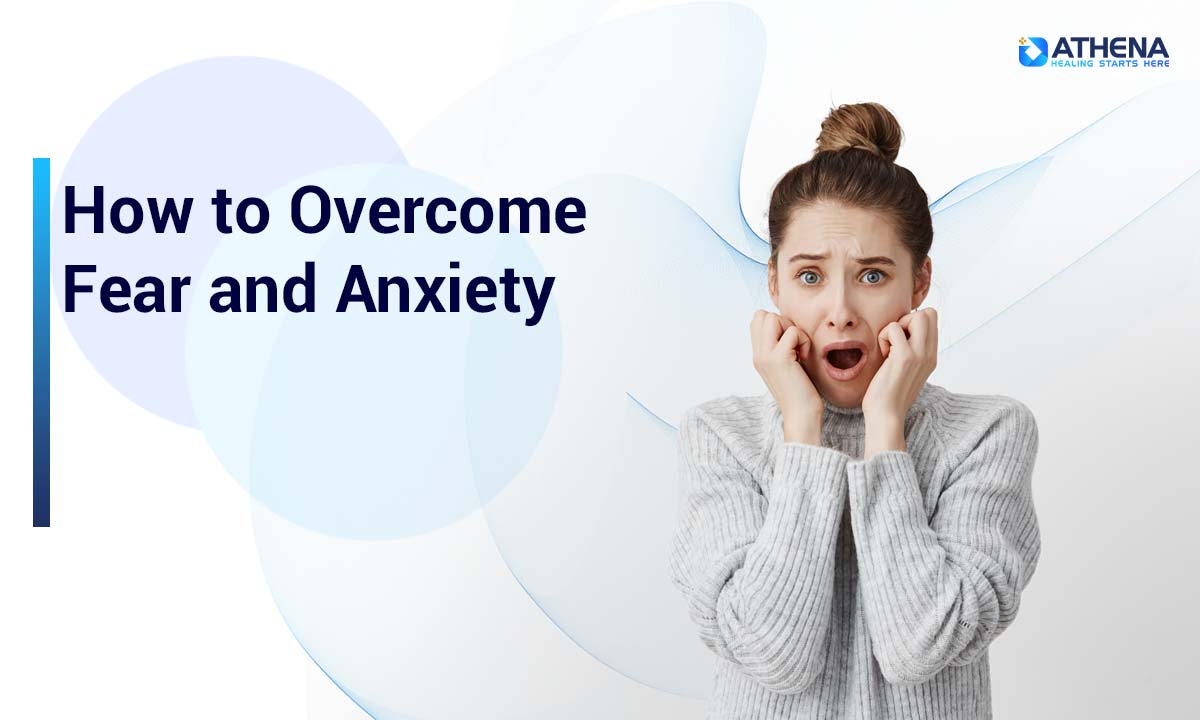

Wondering how to overcome fear and anxiety? Start by identifying your triggers, challenging negative thoughts, and practicing relaxation techniques such as deep breathing and mindfulness. Can fear and anxiety improve without professional help? Mild symptoms often respond to healthy lifestyle changes, but persistent anxiety may require therapy. What is the most effective long-term approach? A combination of self-care, emotional resilience, and evidence-based mental health support.
If you're searching for how to overcome fear and anxiety, the good news is that effective strategies can help you regain control and improve your quality of life. At Athena Behavioral Health, we understand how overwhelming anxiety can feel and believe that with the right tools, support, and treatment, recovery is possible.
Understanding Fear and Anxiety
Fear and anxiety are natural emotional responses designed to protect us from danger. While fear is typically a reaction to an immediate threat, anxiety often involves worry about future situations or perceived risks.
Occasional fear and anxiety are normal. However, when these feelings become persistent, intense, or interfere with daily life, they may indicate an underlying mental health concern that requires attention. For individuals who prefer resources in Hindi, understanding
Common Symptoms of Fear and Anxiety
Symptoms can vary from person to person and may include:
Rapid heartbeat
Excessive worrying
Restlessness
Difficulty concentrating
Sleep disturbances
Muscle tension
Irritability
Avoidance of certain situations
Recognizing these signs is the first step toward learning how to overcome fear and anxiety effectively.
Why Do Fear and Anxiety Become Difficult to Control?
Several factors can contribute to chronic anxiety and fear.
Stress and Life Challenges: Major life changes, work pressure, financial concerns, and relationship difficulties can trigger ongoing anxiety.
Past Traumatic Experiences: Trauma can leave lasting emotional effects, making individuals more vulnerable to anxiety and fear responses.
Negative Thinking Patterns: Catastrophic thinking and constant worry can reinforce anxious feelings and create a cycle that becomes difficult to break.
Genetics and Brain Chemistry: Some people may have a biological predisposition to anxiety disorders due to genetic or neurological factors.
Lifestyle Habits: Poor sleep, excessive caffeine, lack of exercise, and chronic stress can worsen anxiety symptoms over time. In some cases, specific behavioral habits or substance use can heighten physical or psychological stress, for instance, questions often arise about whether
does porn cause anxiety does alcohol increase cholesterol
How to Overcome Fear and Anxiety Naturally
Learning how to overcome fear and anxiety often starts with small, consistent changes that strengthen emotional resilience.
1. Identify Your Anxiety Triggers
Keep a journal to track situations, thoughts, or environments that trigger anxious feelings. Understanding your triggers helps you prepare healthier responses.
2. Challenge Fear-Based Thoughts
Ask yourself:
Is this fear based on facts?
What evidence supports this concern?
Am I assuming the worst-case scenario?
Replacing irrational thoughts with balanced perspectives can reduce anxiety significantly.
3. Face Your Fears Gradually
Avoidance may provide temporary relief, but it often strengthens anxiety over time. Gradual exposure to feared situations can help build confidence and reduce fear responses.
4. Practice Deep Breathing Exercises
Deep breathing activates the body's relaxation response and helps calm the nervous system.
Try this simple exercise:
Inhale for four seconds
Hold for four seconds
Exhale for four seconds
Repeat several times
5. Use Grounding Techniques
Grounding techniques can help during moments of intense anxiety.
The popular 5-4-3-2-1 method encourages you to identify:
Five things you can see
Four things you can touch
Three things you can hear
Two things you can smell
One thing you can taste
6. Practice Mindfulness and Meditation
Mindfulness helps you focus on the present moment rather than worrying about future uncertainties.
Even ten minutes of daily meditation can improve emotional regulation and reduce anxious thinking patterns.
7. Exercise Regularly
Physical activity releases endorphins, which naturally improve mood and reduce stress.
Walking, swimming, yoga, cycling, and strength training can all support mental well-being.
8. Improve Sleep Quality
Poor sleep and anxiety often reinforce one another.
To improve sleep:
Maintain a consistent bedtime
Limit screen time before bed
Avoid caffeine late in the day
Create a relaxing nighttime routine
9. Reduce Stimulants
Excessive caffeine, nicotine, and certain energy drinks can increase anxiety symptoms and make relaxation more difficult.
10. Build Emotional Resilience
Developing healthy coping skills can strengthen your ability to manage stress and uncertainty.
Helpful practices include:
Self-compassion
Gratitude journaling
Positive self-talk
Setting realistic expectations
11. Create a Strong Support Network
Talking with trusted friends, family members, or support groups can help reduce feelings of isolation and provide emotional reassurance.
12. Limit Anxiety-Inducing Media Consumption
Constant exposure to distressing news and social media content can increase anxiety levels. Set healthy boundaries around media consumption.
13. Develop Healthy Daily Routines
Structured routines create predictability and stability, which can help reduce uncertainty-related anxiety.
14. Learn Relaxation Techniques
Progressive muscle relaxation, guided imagery, and calming breathing exercises are effective tools for managing stress and fear.
15. Celebrate Small Wins
Recovery is rarely immediate. Recognizing progress, no matter how small, helps build confidence and reinforces positive habits.
When Should You Seek Professional Help?
While self-help strategies can be effective, some individuals may need professional support.
Consider seeking help if:
Anxiety interferes with work or school
Relationships are affected
Panic attacks occur frequently
Sleep problems persist
Fear prevents you from participating in everyday activities
Understanding how to overcome fear and anxiety sometimes requires expert guidance and evidence-based treatment.
Effective Professional Treatments for Anxiety
When self-help methods aren't enough, formal care provided through an established
Cognitive Behavioral Therapy (CBT): CBT helps individuals identify and change unhelpful thought patterns that contribute to anxiety.
Dialectical Behavioral Therapy (DBT): DBT teaches emotional regulation, mindfulness, and distress tolerance skills.
Individual Counseling: Professional counseling provides a safe space to explore fears, develop coping strategies, and build resilience.
Medication Management: For some individuals, medication may be recommended as part of a comprehensive treatment plan.
Holistic Mental Health Care: A holistic approach may include therapy, lifestyle interventions, mindfulness practices, nutrition guidance, and stress management techniques.
- Dual Diagnosis Care: When substance misuse co-occurs with persistent anxiety, integrated
anxiety and addiction treatment
Can Fear and Anxiety Be Completely Overcome?
Many people successfully learn how to overcome fear and anxiety and lead fulfilling lives. Recovery does not necessarily mean eliminating all fear. Instead, it means developing the skills and confidence to manage anxiety effectively without allowing it to control your decisions or well-being.
Consistency, patience, and support are essential parts of the recovery process.
Daily Habits That Support Long-Term Emotional Wellness
To maintain progress:
Prioritize quality sleep
Exercise regularly
Practice mindfulness
Maintain social connections
Continue using healthy coping skills
Seek support when needed
These habits can play an important role in preventing anxiety from becoming overwhelming in the future.
Conclusion
Learning how to overcome fear and anxiety is a journey that involves understanding your emotions, developing healthy coping strategies, and seeking support when necessary. Whether your anxiety is mild or severe, meaningful improvement is possible with consistent effort and the right guidance.
At Athena Behavioral Health, we believe everyone deserves access to compassionate, evidence-based mental health care that empowers lasting recovery and emotional well-being.
Get Professional Support at Athena Behavioral Health
If fear and anxiety are affecting your daily life, relationships, work performance, or emotional health, professional treatment can help. Athena Behavioral Health provides personalized mental health care through experienced psychiatrists, psychologists, therapists, and recovery specialists.
Our evidence-based treatment programs combine Cognitive Behavioral Therapy (CBT), Dialectical Behavioral Therapy (DBT), counseling, medication management, and holistic wellness approaches to help individuals overcome anxiety and regain confidence.
Take the first step toward lasting emotional wellness by reaching out to Athena Behavioral Health today.