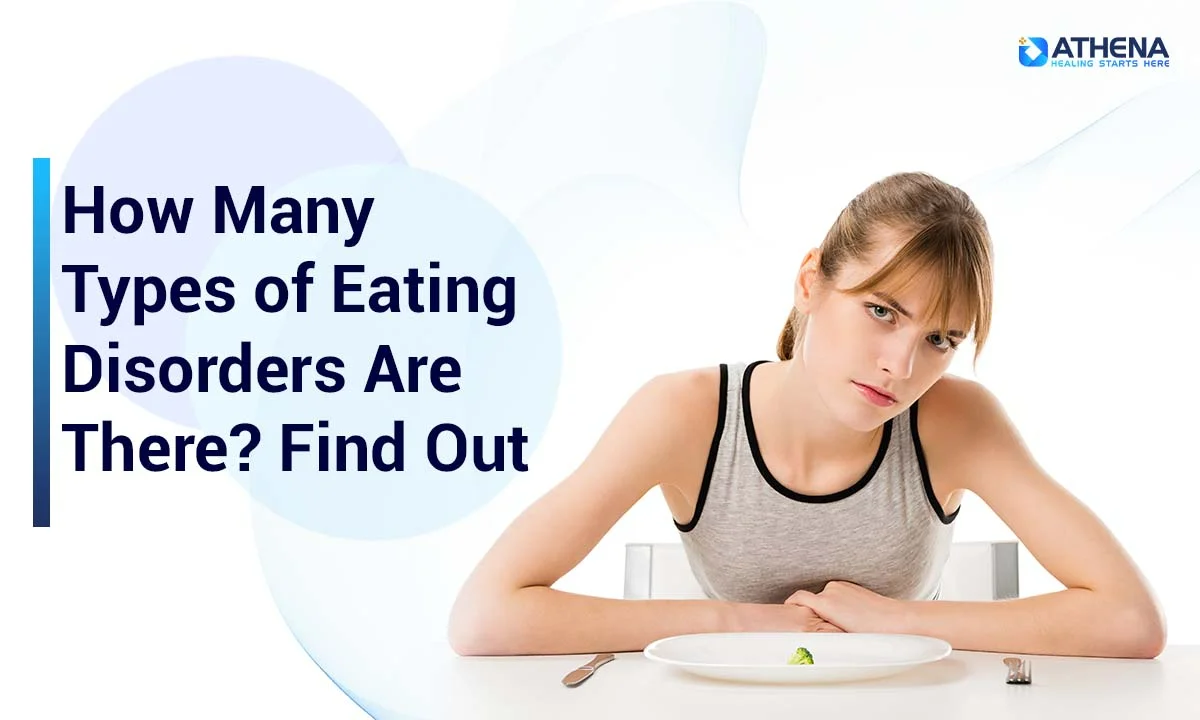

Many people think eating disorders are just about food or weight. They are serious mental health conditions with real physical risks. If you are asking how many types of eating disorders are there, the short answer is that the DSM-5 recognises eight. This guide explains each one in plain language, so you can spot the signs early and know what to do next.
What Is an Eating Disorder?
An eating disorder is a persistent disturbance in eating habits, along with distressing thoughts and emotions about food, weight or body shape. It is different from occasional overeating or a short diet.
According to the National Institute of Mental Health (NIMH), eating disorders can affect people of different ages, genders and backgrounds, and may cause serious physical and psychological complications. Anorexia carries one of the highest death rates of any psychiatric condition, which is why early recognition is so important.
How Many Types of Eating Disorders Are There?
The DSM-5 lists eight feeding and eating disorders:
Anorexia nervosa
Bulimia nervosa
Binge eating disorder (BED)
Avoidant/restrictive food intake disorder (ARFID)
Pica
Rumination disorder
Other specified feeding or eating disorder (OSFED)
Unspecified feeding or eating disorder (UFED)
Let's look at the different types of eating disorders one by one.
What Is Anorexia Nervosa?
Anorexia nervosa involves severely restricted eating, an intense fear of gaining weight and a distorted view of one's body. The word "anorexia" means loss of appetite, but that is misleading. People with anorexia often feel hunger and fight it.
There are two subtypes: the restricting type and the binge-purge type. Lifetime prevalence is roughly 0.6% in the general population. Complications can include a slow heart rate, bone loss, hormonal disruption and organ damage.
What Does Bulimic Mean?
"Bulimic" describes a person living with bulimia nervosa. It follows a repeating cycle: eating a large amount of food in a short time while feeling out of control, then trying to "undo" it through vomiting, laxatives, fasting or excessive exercise.
Bulimia is easy to miss because body weight is often in a typical range. Studies put lifetime prevalence at around 1%. Warning signs include frequent bathroom trips after meals, swollen cheeks, dental erosion and extreme guilt around eating.
What Is Binge Eating Disorder?
Binge eating disorder (BED) involves regular episodes of eating unusually large amounts of food, with a sense of lost control, followed by shame or distress, but without purging. It is the most common eating disorder, affecting about 2.8% of people in their lifetime, and it affects men more than other eating disorders do.
BED is often confused with emotional overeating. The difference is frequency, loss of control and distress. Specialist support, such as a food addiction treatment programme, can address both the behaviour and the emotions behind it.
What Is ARFID?
ARFID is avoidance of food based on texture, smell, fear of choking or low interest in eating, not on body image. It leads to weight loss, nutritional gaps or dependence on supplements. It is common in children but occurs in adults too.
What Are Pica, Rumination Disorder, OSFED and UFED?
Pica: repeatedly eating non-food items such as chalk, soil or hair. It is more frequent in children, during pregnancy and in people with developmental conditions. You can read more about it in this guide to pica disorder treatment.
Rumination disorder: repeatedly regurgitating food, then re-chewing or spitting it out, without nausea.
OSFED: symptoms that cause real distress but do not meet full criteria for another disorder. It is one of the most common diagnoses in clinics.
UFED: used when there is clear impairment but not enough information for a specific diagnosis.
What Are the Two Types of Eating Disorders?
The "two types" often refer to anorexia nervosa and bulimia nervosa, the two classic eating disorders most people know. Others describe two broad patterns: restrictive (limiting food) and binge-purge (overeating and compensating). Both are simplifications of a wider picture.
What Are the Four Types of Eating Disorders?
When people ask for "four types," they usually mean the four best-known: anorexia nervosa, bulimia nervosa, binge eating disorder and ARFID. Some sources replace ARFID with OSFED.
Top 3 Most Common Eating Disorders
Based on lifetime prevalence:
Binge eating disorder: about 2.8%
Bulimia nervosa: about 1.0%
Anorexia nervosa: about 0.6%
Binge eating overlaps with patterns of compulsive eating, which is explored in this piece on food addiction and its treatment.
What Is Vigorexia?
Vigorexia, also called muscle dysmorphia, is a form of body dysmorphic disorder. People believe they look small or underdeveloped even when they are muscular. It leads to obsessive gym schedules, rigid diets, supplement overuse and sometimes steroid misuse. It is not a separate DSM-5 eating disorder, but it overlaps with disordered eating and is more common in men.
Why Is Anorexia More Common in Females Than Males?
Roughly three times more women than men develop anorexia in their lifetime. Several factors play a part:
Cultural pressure around thinness and appearance
Hormonal changes and body changes during puberty
Genetics, which account for an estimated 50 to 60% of risk
Under-diagnosis in men, who are less likely to seek help or be screened
Men are far from immune, and they often get diagnosed later.
Why Am I Starving When Drunk?
Alcohol can make you feel intensely hungry. It lowers blood sugar, lowers inhibition and appears to trigger appetite signals in the brain, which is why salty, fatty food feels irresistible. Dehydration can also be mistaken for hunger.
If you regularly skip meals to "save" calories for drinking, or compensate after drinking by restricting or purging, that is a recognised unhealthy pattern and worth discussing with a professional.
Signs of Unhealthy Eating Behaviours
Not every food struggle is a disorder, but these patterns deserve attention:
Skipping meals, rigid food rules or intense fear of certain foods
Eating in secret or feeling out of control around food
Frequent weighing, body checking or distress over appearance
Exercising to "earn" food or compensate for eating
Withdrawing from social events involving meals
Mood swings, fatigue, dizziness or noticeable physical changes
If several apply and last for weeks, it is time to seek an assessment.
How Is an Eating Disorder Diagnosed?
A psychiatrist or clinical psychologist reviews eating patterns, medical history, mood and physical health, and often orders blood tests and an ECG. A structured psychiatric assessment and diagnosis also checks for related conditions such as anxiety, depression or OCD, which commonly appear alongside eating disorders.
What Does Eating Disorder Recovery Look Like?
Yes. Eating disorder recovery is realistic, and the earlier treatment begins, the better the outcome. Care usually combines:
Medical monitoring to stabilise physical health
Nutritional rehabilitation guided by a professional
Psychotherapy such as CBT and family-based therapy
Medication when needed for coexisting anxiety or depression
Talk therapy is central, and options like psychotherapy and counselling help people rebuild their relationship with food and with themselves. Recovery is rarely a straight line, and setbacks do not mean failure.
If you or someone close to you shows these signs, reach out to a professional early. A confidential conversation can make the next step much clearer.