
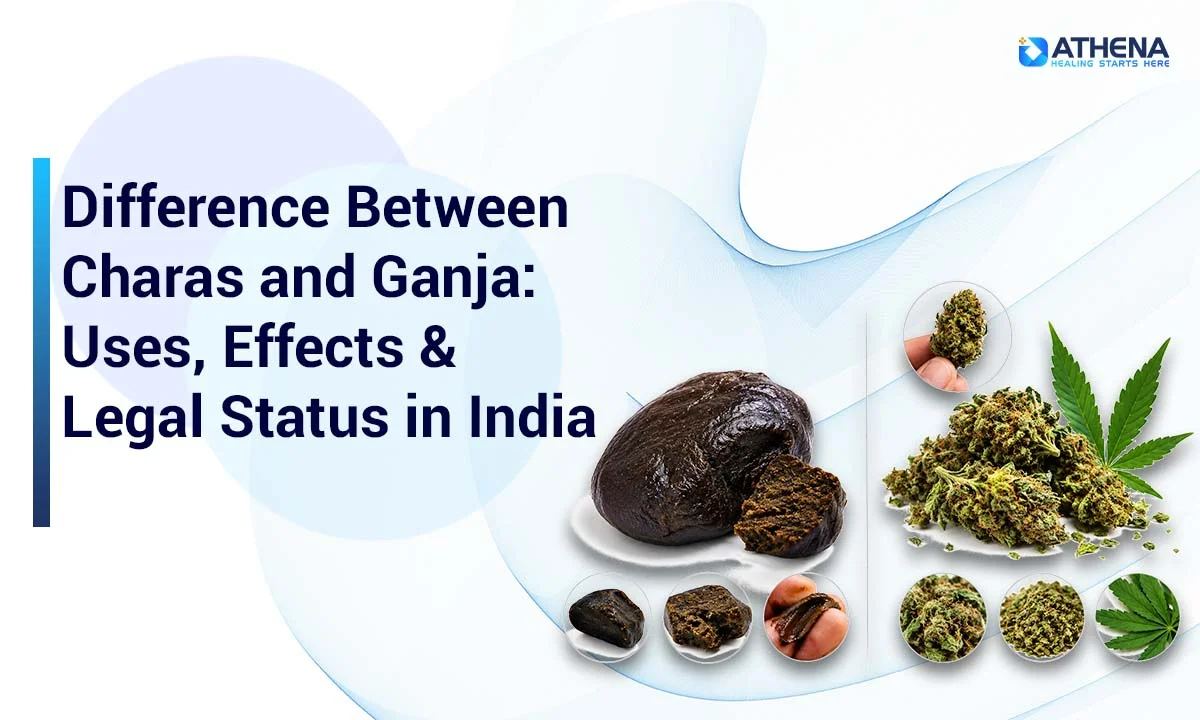

Cannabis is one of the most commonly used substances in India, and it comes in several forms that people often confuse with one another. Two of the most talked about are charas and ganja. Many people assume they are the same thing, just called by different names, but that is not accurate. Understanding the difference between charas and ganja is important, not just from a legal standpoint, but also to recognize how each affects the mind and body differently.
This article breaks down what charas and ganja are, how they differ in preparation and potency, their effects on health, and their legal status under Indian law.
What Is Charas and Ganja?
Both charas and ganja come from the same cannabis plant, but they are prepared and used differently, which is exactly why so many people struggle to tell them apart at first glance.
Charas is a resin extracted directly from the flowering tops of the cannabis plant. It is typically handmade by rubbing the live cannabis buds between the palms until a sticky, dark brown or black resin collects, which is then rolled into balls or sticks. Because what is charas essentially comes down to is pure plant resin, it is considered a far more concentrated form of cannabis than most other preparations. This is also why it tends to carry a stronger smell and a denser, more oily texture compared to other cannabis products.
Ganja, on the other hand, refers to the dried flowering and fruiting tops of the female cannabis plant. It looks like dried leaves and buds, and is far more widely available and commonly used than charas. Ganja is also frequently mixed up with bhang, another traditional cannabis preparation consumed during festivals, and the difference between bhang and ganja comes down to how each is processed and consumed, since bhang is usually made into a paste or drink rather than smoked.
Difference Between Charas and Ganja: A Side-by-Side Comparison
The core difference between charas and ganja lies in how each is extracted, its appearance, its strength, and even how it is typically sold on the illegal market. Here is a more detailed comparison:
Features | Charas | Ganja |
Source | Resin from live, unharvested cannabis plant | Dried flowering and fruiting tops of the plant |
Appearance | Dark brown or black, sticky and pliable resin | Dried green or brownish buds and leaves |
Texture | Oily, moldable, similar to a soft clay | Crumbly, dry, and flaky |
Preparation method | Hand-rubbed from live plants over time | Harvested, sun-dried, and crushed |
Main psychoactive compound | THC (higher concentration) | THC (comparatively lower concentration) |
Common form of use | Smoked in small pellets, often mixed with tobacco | Smoked in chillums, rolled into joints, or added to food |
Onset of effects | Faster and more intense due to higher potency | Slightly slower and milder in comparison |
Typical cost | Usually more expensive due to labor-intensive extraction | Relatively cheaper and easier to produce |
Availability in India | Less common, often region-specific (hilly and northern areas) | Widely available across most states |
Shelf life | Can be stored for longer periods without losing potency | Loses potency faster if not stored properly |
Common regions of origin | Himachal Pradesh, parts of Uttarakhand, Nepal border areas | Grown and traded across many regions of India |
Is Charas and Ganja Same? Understanding the Confusion
A lot of people search for "is charas and ganja the same" because both substances come from cannabis and produce similar intoxicating effects. The confusion is understandable since both contain THC (tetrahydrocannabinol), the psychoactive compound responsible for the high, and both are often used in similar social settings.
However, they are not the same product. The key distinction is the plant part used and the method of extraction. Charas is a concentrated resin, while ganja is the dried plant material itself. This is similar to comparing crude oil to raw crops. Both come from natural sources, but one is a refined extract and the other is unprocessed. Even the way each is sold on the street reflects this difference, with charas usually priced higher per gram than ganja.
Uses of Charas and Ganja
Historically, both substances have had cultural and religious significance in parts of India, especially during festivals like Holi and Shivratri, where cannabis-based preparations have been consumed for generations in certain communities.
Common uses include:
- Recreational smoking, often shared in group settings
- Traditional and religious rituals in certain communities, particularly among sadhus and pilgrims
- Mixing with tobacco or other substances before smoking
- Occasionally added to food or beverages for a slower, longer-lasting effect
Despite these traditional associations, regular non-medical use of either substance can quickly progress into dependency, and this shift from occasional use to ganja addiction often happens gradually enough that families and even users themselves fail to notice it in time until it starts affecting daily responsibilities.
Effects of Charas and Ganja on the Body and Mind
Because charas typically has a higher THC concentration than ganja, its effects tend to be more intense and faster acting. However, both substances can cause similar short-term and long-term effects, especially with regular use over months or years.
Short-term effects may include:
- Euphoria or a sense of relaxation
- Increased heart rate
- Red or bloodshot eyes
- Dry mouth
- Impaired coordination and reaction time
- Anxiety or paranoia in higher doses
- Increased appetite, commonly referred to as "the munchies"
Long-term effects of regular use may include:
- Reduced memory and concentration
- Respiratory issues from smoking, similar to those seen in tobacco users
- Increased risk of mental health conditions such as anxiety and depression
- Dependency and withdrawal symptoms when use is stopped
- Motivational and behavioral changes over time
- Strained personal and professional relationships due to prioritizing use
It is important to understand that the difference between charas and ganja in terms of strength does not make one safe and the other risky. Both carry health risks when used regularly, and both can lead to a level of dependency that requires proper cannabis addiction treatment rather than an attempt to quit alone.
Legal Status of Charas and Ganja in India
Under the Narcotic Drugs and Psychotropic Substances (NDPS) Act, 1985, both charas and ganja are classified as illegal substances in India. The Act defines cannabis to include charas, ganja, and any mixture prepared from either, with or without a neutral material.
Key legal points to note:
- Possession, sale, purchase, transportation, or cultivation of charas and ganja is punishable under the NDPS Act.
- Penalties depend on the quantity involved, categorized as small, intermediate, or commercial quantity.
- Small quantity possession may lead to a lighter sentence, while commercial quantity possession can result in rigorous imprisonment of up to 20 years along with heavy fines.
- Certain states have historically permitted limited, regulated use of bhang, but charas and ganja remain strictly prohibited nationwide.
- Repeat offenders often face stricter penalties compared to first-time offenders under the same Act.
This makes the legal status of both substances equally serious, regardless of which one a person is found using or carrying.
How Athena Behavioral Health Supports Recovery
Athena Behavioral Health is a dedicated addiction and mental health treatment center that works with individuals struggling with cannabis use, alcohol dependence, and other substance-related concerns.
At Athena Behavioral Health, treatment typically includes:
- A thorough medical and psychiatric evaluation to understand the extent of dependency
- Personalized cannabis addiction treatment plans that combine detox support, individual counseling, and behavioral therapy
- Family involvement throughout the recovery process, since support at home plays a major role in long-term sobriety
- Relapse prevention strategies that prepare individuals to handle triggers once they return to daily life
- A private, judgment-free environment where people can focus fully on getting better
- Aftercare planning to support individuals well beyond the initial treatment phase
Many individuals dealing with cannabis dependency also struggle with alcohol use at the same time, and if you are addicted to alcohol alongside cannabis, Athena Behavioral Health's drug addiction treatment programs are designed to address both together, rather than treating one habit while ignoring the other. This integrated approach gives individuals a realistic path toward complete recovery instead of a partial fix that leaves underlying issues unresolved.