
Charas is a hand-rubbed cannabis resin collected from live cannabis plants, mainly in the Himalayan regions of India and Nepal. It has a long religious and cultural history, but it is also a high-potency cannabis product that can lead to dependence, anxiety, and other health problems. In India, charas is illegal under the Narcotic Drugs and Psychotropic Substances (NDPS) Act.
Charas come up often in conversations about cannabis in India, usually tied to temple traditions, Himalayan travel stories, or the question of how it differs from regular weed. Behind the folklore is a substance with real psychoactive strength and real health consequences, and most casual explanations skip that part.
This guide covers what is charas, how it is made, how it differs from hashish, what the law says, and what regular use can do to the mind and body. It also explains where to find treatment if use has become hard to control.
What Is Charas?
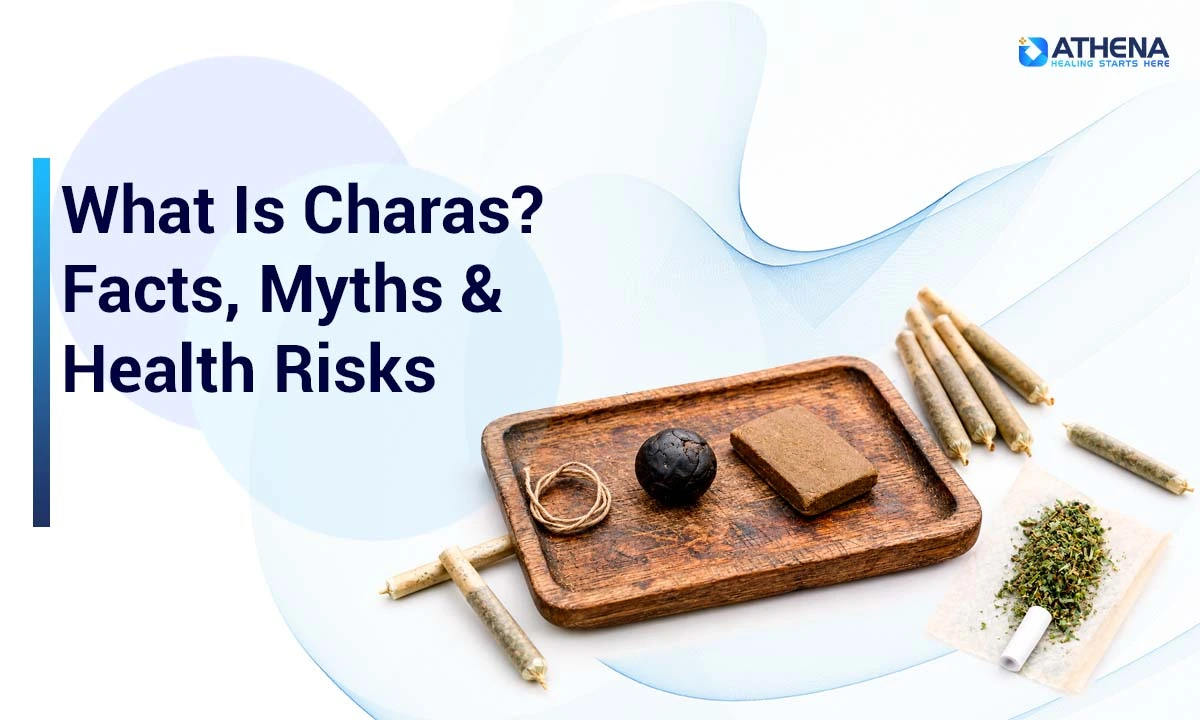
Charas is a cannabis resin made by hand from the flowers of living cannabis plants. That detail separates it from most other cannabis concentrates, which are made from plants that have been harvested and dried first.
Workers rub fresh, resin-heavy buds between their palms until a sticky layer of trichomes builds up on the skin. The resin is then scraped off and shaped into balls, sticks, or cakes. Because it comes from a living plant, charas tends to be softer, oilier, and darker than many other concentrates, and it holds far more THC per gram than dried flower. It is sometimes nicknamed the "black gold of the Himalayas," which reflects both its market value and its origins.
Several traits set charas apart from other cannabis products. The points below explain why it is treated as a category of its own.
Live-plant origin: the resin is taken from plants that are still growing.
Manual extraction: no machines, sieves, or solvents are used in the traditional method.
Soft, pliable texture: it is usually oily and easy to mold.
High THC concentration: it is much stronger than dried flowers by weight.
Strong regional identity: buyers often name it after the valley it comes from.
Overview on Charas
The table below gives a quick reference for the key facts about charas. It is useful if you want the short version before reading the detailed sections.
Feature | Details |
What it is | A hand-made cannabis resin |
Source | Live, still-growing cannabis plants |
Extraction method | Rubbing fresh buds between the palms |
Main regions | Himalayan belt of India and Nepal |
Common forms | Balls, cylinders, sticks, and flat cakes |
Traditional use | Smoked in clay chillums, linked to Shaivite practice |
Legal status in India | Illegal under the NDPS Act |
Main health concerns | Dependence, anxiety, psychosis risk, lung irritation |
Where Do Charas Come From?
Charas comes from the hill regions of northern India and Nepal, especially Himachal Pradesh, Uttarakhand, and the wider Himalayan belt, where wild cannabis has grown for generations at high altitude. Its use is documented across many centuries.
Its strongest cultural link is with Shaivism, the worship of Lord Shiva. Sadhus, wandering ascetics who have renounced ordinary life, have long smoked charas from clay chillums as part of meditation and devotional practice. During festivals such as Maha Shivaratri, this use is so embedded in tradition that it is often tolerated unofficially, even where cannabis laws are otherwise strict.
The timeline below shows how charas moved from ancient tradition to modern regulation. It helps explain why the cultural picture and the legal picture do not always match.
Period | Development |
Ancient India | Cannabis appears in early texts, including the Atharvaveda, which names bhang among sacred plants. |
Following centuries | Cannabis preparations become part of ascetic, devotional, and festival traditions. |
1893 to 1894 | The Indian Hemp Drugs Commission studies cannabis use in British India and documents charas, ganja, and bhang. |
1961 | The UN Single Convention on Narcotic Drugs places cannabis and cannabis resin under international control. |
1985 | India enacts the NDPS Act, criminalizing production, sale, and possession of charas. |
How Is Charas Made?
Charas is made by rubbing fresh cannabis flowers by hand until the resin collects on the skin, then scraping and shaping it. The process has changed little over hundreds of years, and that continuity is part of its appeal to traditional users.
The steps below describe the general sequence. Each stage affects the texture, aroma, and final quality of the product.
Harvesting by hand: Ripe, resin-heavy buds are selected from living plants, and the large fan leaves are removed.
Rubbing the resin loose: The buds are rubbed gently between the palms, sometimes for hours, until a dark, sticky layer of trichomes coats the skin.
Scraping and shaping: The resin is scraped off in curls and rolled or pressed into balls, cakes, or finger-shaped pieces.
Curing: The shaped resin is left to dry and age, which develops its aroma and stabilizes it over time.
A skilled maker may spend most of a day producing only a small amount of finished product, which is why authentic charas has traditionally sold at high prices. Output was historically measured in a unit called a tola, roughly 11.7 grams. Because charas is sold in unregulated markets, its purity, strength, and possible contamination cannot be verified by the buyer.
Regional Varieties of Charas
Charas is closely tied to geography, so different valleys have developed their own reputations. Buyers often use these place names as shorthand for style and quality.
The table below lists the best-known names and where they are associated with. The descriptions reflect common trade usage rather than any official grading.
Name | Associated Region | Commonly Described As |
Malana Cream | Malana Valley, Himachal Pradesh | A benchmark for smoothness and quality |
Rasol | Rasol area, Parvati Valley, Himachal Pradesh | Known for a strong, distinctive aroma |
Tosh | Tosh village, Parvati Valley, Himachal Pradesh | Valued for density and flavor |
Kerala Gold | Southern India | Recognized by its lighter, golden color |
None of these names is regulated, so authenticity varies a lot from seller to seller. A label on a product says very little about what is actually inside it.
Charas vs. Hashish: What Is the Difference?
Charas is a hand-rubbed resin from live plants, while hashish is usually made from harvested and dried cannabis using sieving, pressing, or solvents. The two terms are often used interchangeably, but they describe different production methods.
The comparison below shows the main differences. In short, charas is a specific, artisanal type of what people broadly call "hash."
Charas | Hashish | |
Source plant | Live, still-growing | Harvested and dried |
Extraction method | Hand-rubbed | Mechanical sieving, pressing, or solvents |
Texture | Soft, oily, malleable | Often firmer or crumbly |
Typical potency | Often described as high, but varies | Varies widely |
Cultural role | Strong religious ties in India and Nepal | Broader global production, less ritual significance |
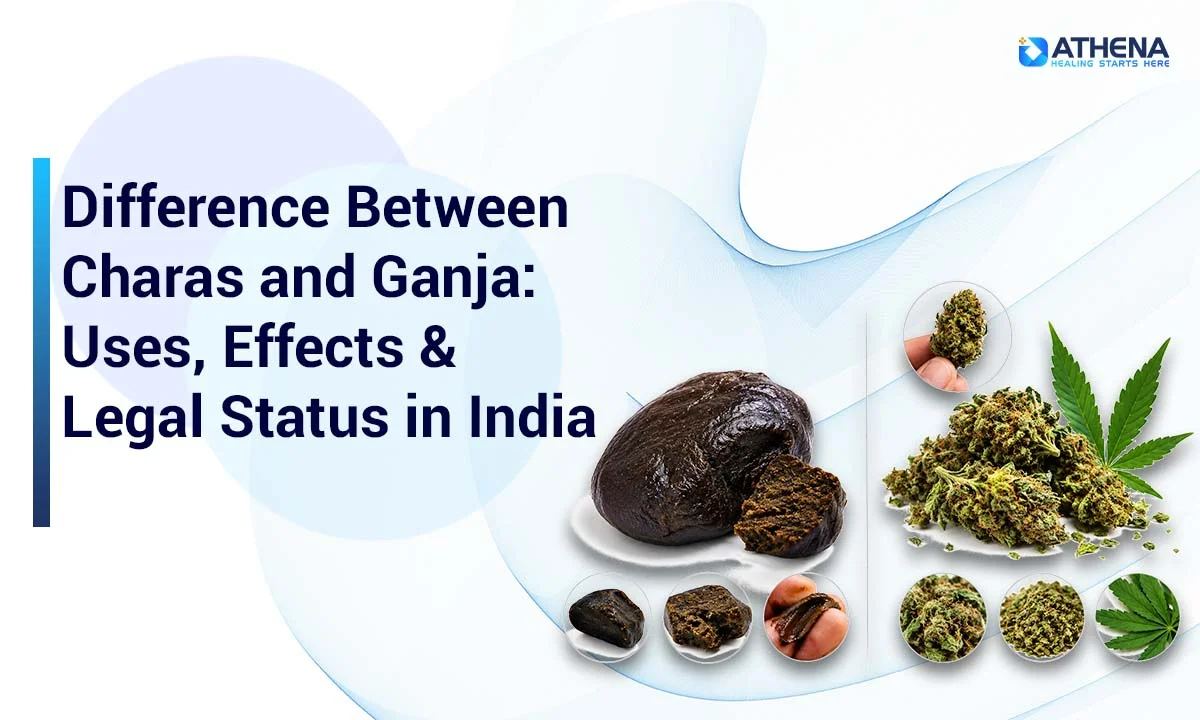
Charas is also different from other cannabis preparations sold or used in India. The next table compares charas with ganja and bhang, since people often confuse them and their legal treatment is not the same.
Product | What It Is | Common Form of Use | Legal Position in India |
Charas | Resin taken from live cannabis plants | Smoked in a chillum, pipe, or joint | Covered by the NDPS Act |
Ganja | Dried flowering tops of the cannabis plant | Smoked | Covered by the NDPS Act |
Bhang | Paste made from cannabis leaves | Eaten or drunk, often during festivals | Not covered by the NDPS Act, regulated by state law and varies by state |
How Strong Is Charas?
Charas is generally stronger than dried cannabis flower by weight because resin concentrates the trichomes that carry THC. Exact potency is hard to state, because there is little standardized lab testing of traditional charas and quality varies from batch to batch.
Several factors shape how strong a given piece is. The list below covers the main ones and explains why two products with the same name can feel very different.
Plant variety and growing altitude: different plants produce different resin profiles.
Timing of harvest: resin content changes as the plant matures.
Handling and curing: poor storage can change both strength and quality.
Adulteration: unregulated products may be cut with other substances.
Method of use: smoking through a chillum delivers a large dose quickly.
The practical takeaway is that a small amount can be much stronger than people expect, especially for those used to milder cannabis products.
What Does Using Charas Feel Like?
Most people smoke charas by crumbling it into a chillum, pipe, or joint. Effects from smoking usually begin within minutes and can last for a few hours. Because THC concentration is high, the effects often come on harder and faster than with dried flowers.
Effects vary by person, dose, and setting. The table below separates the effects users commonly report from the adverse reactions that become more likely at higher doses.
Commonly Reported Effects | Possible Adverse Reactions |
Euphoria or contentment | Anxiety or panic |
Slowed sense of time | Paranoia |
Heightened sensory awareness | Racing heart |
A calm, sedative-like feeling | Dizziness, nausea, or confusion |
Relaxation, sometimes described as meditative | Impaired memory, attention, and coordination |
The same potency that makes charas appealing also narrows the margin for comfortable use. It does not take much to tip from a pleasant high into distress, especially for people who are not used to strong cannabis products.
Is Charas Legal in India?
No, Charas is illegal in India. It is covered by the Narcotic Drugs and Psychotropic Substances (NDPS) Act, which makes producing, selling, buying, transporting, and possessing it a criminal offense. Punishment depends largely on the quantity involved.
The table below summarizes the quantity categories for cannabis resin under the NDPS framework. These figures are for general awareness only, and thresholds and penalties can change, so check the current law or consult a lawyer for a specific situation.
Quantity Category | Amount of Charas | General Penalty Range |
Small quantity | Up to 100 grams | Up to 1 year of rigorous imprisonment, a fine, or both |
Between small and commercial | More than 100 grams and less than 1 kg | Up to 10 years of rigorous imprisonment and a fine |
Commercial quantity | 1 kg or more | 10 to 20 years of rigorous imprisonment and a substantial fine |
In practice, enforcement is inconsistent in some remote hill areas, and ceremonial use during religious festivals is often unofficially overlooked. That does not change the legal status. The NDPS Act also contains provisions that may offer protection from prosecution for certain offenses to a person who is addicted and voluntarily seeks treatment, but how this applies depends on the case, so legal advice matters.
Nepal restricts cannabis resin on paper, with enforcement that is looser in some rural regions. Elsewhere in the world, the legal position depends on how each country treats cannabis. Where cannabis is legal or decriminalized, charas is usually handled like any other concentrate. Where it is prohibited, charas is too, with no special exemption for its cultural background.
What Are the Health Risks of Charas?
Regular use of charas carries real health risks, mainly because of its high THC content. Research on cannabis has linked heavy use to dependence, mental health problems, memory and attention difficulties, and lung irritation.
Dependency
According to the U.S. National Institute on Drug Abuse, roughly 3 in 10 people who use cannabis may develop some degree of cannabis use disorder. Regular use of high-THC products can lead to tolerance and psychological dependence, and what begins as occasional use can quietly become a daily habit.
Mental health effects
High THC exposure is linked to increased anxiety and panic symptoms and, in some people, psychosis. The risk is higher for those with a personal or family history of mental illness, and this is one reason cannabis use disorder is treated as a clinical concern rather than a lifestyle choice.
Impact on younger users
The developing brain is especially sensitive to heavy THC exposure, which can affect memory, attention, and emotional regulation. People who start using in adolescence are also at greater risk of developing a use disorder. Parents and guardians who want to know what early warning signs look like can read this guide on recognizing marijuana use in teens.
Respiratory strain
Smoking any cannabis product, including charas, exposes the lungs to combustion byproducts that can cause coughing, bronchitis-like symptoms, and long-term irritation.
None of this means everyone who tries charas will be seriously harmed. But the higher the potency, the smaller the margin for low-risk use.
Signs of Cannabis Use Disorder
Cannabis use disorder is a diagnosable condition in which a person keeps using cannabis despite clear problems in daily life. Clinicians assess it using criteria from the DSM-5, and severity depends on how many criteria a person meets.
The table below shows how severity is generally classified. A qualified professional should make any actual diagnosis.
Severity | Number of DSM-5 Criteria Met |
Mild | 2 to 3 |
Moderate | 4 to 5 |
Severe | 6 or more |
The signs below are common indicators that use may have become a problem. Even a few of them can be a reason to seek an assessment.
Using more charas, or for longer, than you meant to
Trying to cut down and not managing to
Spending a lot of time obtaining, using, or recovering from cannabis
Strong cravings or urges to use
Missing work, school, or family responsibilities because of use
Continuing to use despite relationship or health problems
Giving up hobbies or social activities
Needing more to get the same effect (tolerance)
Feeling irritable, anxious, or unable to sleep when you stop (withdrawal)
What Is Cannabis Withdrawal Like?
Cannabis withdrawal is a set of physical and emotional symptoms that can appear when a regular user cuts down or stops. It is rarely dangerous in a medical sense, but it can be uncomfortable enough to trigger a return to use.
The table below lists common symptoms and when they tend to appear. Timelines vary from person to person and depend on how heavily and how long someone has used.
Symptom | Typical Pattern |
Irritability and anger | Starts within the first few days and often peaks in the first week |
Anxiety and restlessness | Common in the first week |
Sleep difficulty and vivid dreams | Can last two to three weeks or longer |
Reduced appetite | Usually eases within one to two weeks |
Low mood | May continue for a couple of weeks |
Cravings | Can come and go for weeks |
People who also live with depression, anxiety, or other mental health conditions should seek professional guidance before stopping suddenly, since withdrawal can make those symptoms feel worse.
When Cultural Use Turns Into a Problem
There is an important difference between charas as an occasional part of a religious tradition and charas as a daily way to cope. The line between the two is not always obvious to the person using it, which is why outside support can help.
The questions below can help you check where you stand. If several of them sound familiar, it may be time to speak to a professional.
Do I use charas to get through stress, low mood, or boredom?
Has my use increased over the past few months?
Have I tried to cut back and failed?
Is it affecting my work, sleep, studies, or relationships?
Do other people close to me feel worried about my use?
Common Myths About Charas
Charas is surrounded by beliefs that make it seem safer than it is. The table below sets some of the most common claims against what the evidence actually says.
Myth | Fact |
"Charas is natural, so it is safe." | A natural origin says nothing about potency or risk. Charas is a concentrated form of cannabis. |
"Cannabis is not addictive." | Cannabis use disorder is a recognized clinical condition. |
"Religious use makes it harmless." | Cultural or spiritual context does not change how THC affects the brain and body. |
"If I can handle a lot, I am fine." | High tolerance is a sign the body has adapted, and it is often linked to dependence. |
"Only heavy users have problems." | Anxiety, panic, and impaired judgment can occur even with occasional use of a strong product. |
How Is Cannabis Addiction Treated?
Cannabis addiction is treated mainly with behavioral therapies and structured support. There is currently no medication specifically approved to treat cannabis use disorder, so therapy, counseling, and relapse prevention form the core of care.
The table below outlines the main approaches. In practice, treatment teams often combine several of them based on the person's needs.
Approach | What It Involves |
Assessment | A clinical evaluation of use patterns, mental health, and risk level to guide the treatment plan |
Identifying triggers and thought patterns behind use and building practical coping skills | |
Motivational enhancement therapy | Strengthening a person's own reasons and readiness to change |
Contingency management | Using structured rewards to reinforce progress and reduce use |
Family involvement | Helping relatives understand the condition and support recovery |
Relapse prevention and aftercare | Planning for high-risk situations and continuing support after formal treatment |
Care also comes in different levels of intensity. The next table compares the main settings so you can see which one may fit.
Level of Care | Best Suited For | How It Works |
Inpatient (residential) care | Severe or long-standing use, unstable home settings, or co-occurring mental health concerns | The person stays at the facility and receives structured, round-the-clock support |
Outpatient care | Mild to moderate use, or people with strong support at home, work, or school | The person attends scheduled therapy sessions and continues living at home |
Cannabis Addiction Treatment at Athena Behavioral Health
Athena Behavioral Health provides treatment for cannabis addiction, including assessment, Cognitive Behavioral Therapy (CBT), and other therapeutic support. Care is available in both inpatient and outpatient settings, so people can start at the level that matches their situation.
Treatment usually begins with a thorough assessment. This helps the clinical team understand how much a person is using, how it affects daily life, and whether other concerns such as anxiety or depression are involved. The results shape a personalized plan rather than a one-size-fits-all program.
The list below summarizes what the program includes. Each element is meant to address a different part of recovery, from stopping use to staying well afterward.
Comprehensive assessment to understand use patterns, mental health, and needs.
Cognitive Behavioral Therapy (CBT) to change the thoughts and habits that drive use.
Individual and group counseling for guidance and peer support.
Relapse prevention planning to prepare for cravings and high-risk situations.
Support for co-occurring mental health concerns where they are present.
Aftercare planning to maintain progress once formal treatment ends.
If you or someone you know is finding it hard to control cannabis use, you can learn more or reach out through Athena Behavioral Health. Speaking to a professional is a reasonable next step, not an overreaction, and early conversations tend to lead to easier recoveries. Moreover, Athena also provides the best drug addiction treatment in India that helps people to easily neglect using or intaking any type of drugs.
How to Support a Friend or Family Member
Supporting someone who is struggling with cannabis is easier when you approach them with patience rather than blame. People are more likely to accept help when they feel understood.
The points below are practical starting steps. Keep in mind that change usually takes time and repeated conversations.
Choose a calm moment to talk, not a moment of conflict
Describe specific changes you have noticed instead of labeling the person
Listen without lecturing or shaming
Offer to help find an assessment or a first appointment
Look after your own wellbeing, since supporting someone can be draining
Key Takeaways
Charas has deep cultural roots, but its history does not reduce its risks. The summary below pulls together the main points from this guide.
Charas is a hand-rubbed cannabis resin made from live plants.
It differs from hashish in source and method, and it is often described as strong.
It is illegal in India under the NDPS Act, with penalties that depend on quantity.
Regular use can lead to dependence, anxiety, and, in some people, psychosis.
Teenagers and people with a history of mental illness face higher risk.
Cannabis use disorder is treatable with assessment, CBT, and structured support.
Inpatient and outpatient care are both available at Athena Behavioral Health.