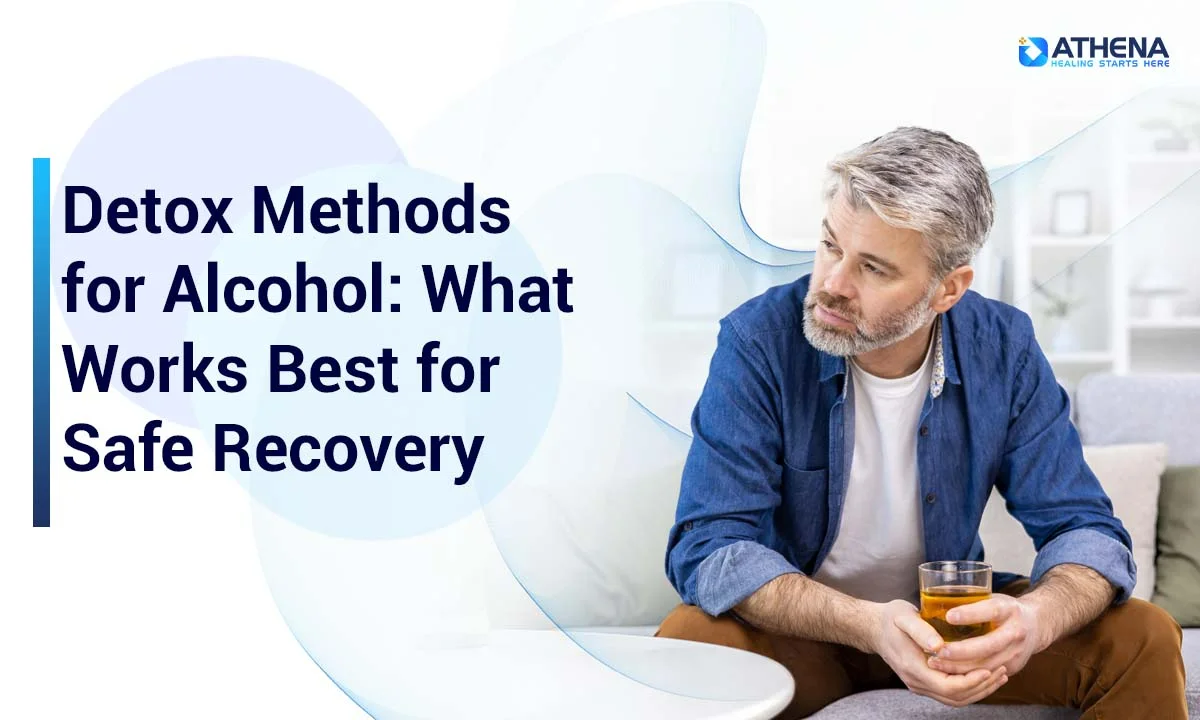

The choice of the detox methods for alcohol is initially the question of safety because alcohol has an effect on the functioning of the brain, and sudden discontinuation of alcohol consumption after prolonged intake may result in tremor, panic, seizures, and confusion.
Half of the alcohol-dependent individuals develop withdrawal symptoms upon cessation from alcohol intake, whereas about 3 to 5 percent of them experience delirium tremens, which is an emergency situation. This guide is meant to describe each type of the procedure, its indications and outcomes.
What Is Alcohol Detox?
Alcohol detoxification is the time during which the body gets rid of the alcohol under controlled withdrawal symptoms. It is just the initial step in treatment, not the entire process of treatment. The reason for alcohol detoxification is to help you cope with the physical part in order to start sobriety.
What Is Acute Alcohol Withdrawal?
Alcohol withdrawal syndrome refers to the symptoms that occur when an addicted individual reduces or stops consumption of alcohol. This occurs due to the brain’s adaptation to alcohol, which is a depressant, and as such, the absence of the depressant makes the body produce excess energy, leading to shaking, sweating, anxiety and, in severe cases, convulsions.
Which Detox Methods for Alcohol Are Available?
Several approaches exist, and the right one depends on your drinking pattern, past withdrawals and general health. The table compares them so you can see how risk and suitability change from one method to the next.
Methods | Best suited for | Risk levels |
Inpatient medical detox | Daily heavy drinking, earlier seizures, other illnesses | Lowest |
Outpatient medical detox | Mild to moderate dependence with a supportive home | Low to moderate |
Doctor-guided home detox | Mild dependence, stable health, someone present | Moderate |
Unsupervised quitting | Not recommended for dependent drinkers | High |
Juices, teas and cleanse kits | Nobody, as they do not treat dependence | Not a real detox |
If you drink every day, supervised care is the safest choice.
What Is Medical Detox for Alcoholism?
Medical detox for alcoholism is a supervised programme where doctors and nurses track your heart rate, blood pressure and hydration while your body adjusts to having no alcohol. Symptoms are treated early, so a seizure or sudden confusion can be handled within minutes.
This level of observation is why medical detoxification is the standard recommendation for moderate and severe dependence, and why alcohol detox medical treatment is safer than quitting alone.
Inpatient vs Outpatient Alcohol Detox: Which Should You Choose?
Both settings use medical oversight, but they differ in how closely you are watched. Inpatient care keeps you under round-the-clock observation, while outpatient care lets you sleep at home and visit a clinic for checks.
Inpatient detox suits you if:
You drink heavily every day
You have had seizures or delirium tremens before
You have liver, heart or other medical conditions
Your home environment is unstable or you live alone
Outpatient detox may suit you if:
Your dependence is mild to moderate
You have a reliable person at home
You can attend every appointment
You have no history of severe withdrawal
How Does the Alcohol Detox Treatment Process Work, Step by Step?
The treatment is done following an order and each of the measures depends on your response. Here is how the alcohol detoxification program at the clinic is carried out.
Evaluation: The doctor evaluates your drinking behavior, prior withdrawal experience, medications, and psychological condition.
Observation: Your vital signs are continuously monitored and the degree of symptoms is measured using certain clinical scales.
Medications: Anti-anxiety drugs are used to settle your nervous system and reduce the chance of having seizures. Thiamine (vitamin B1) is administered to protect your brain from damage.
Nutrition and sleep: Proper nutrition and sleep are required.
Future treatment plans: Future treatment is to be planned after leaving the clinic.
What Supportive Care Helps During Alcohol Detox?
Medication deals with the dangerous symptoms, but routine support will determine how comfortable the week will be. The above-mentioned assistance is used together with medical therapy and will never replace it.
Hydration: fluids replace lost substances due to sweating and vomiting.
Nutrition: eating small amounts of food will restore energy and nutrients.
Quiet atmosphere: darkness and calmness reduce agitation and help rest.
Calm presence: the company of one and the same person makes the patient feel less nervous.
Slow breathing: slow breathing will relieve panic attacks.
What Are the Signs of Alcohol Detox?
Symptoms usually begin within hours of the last drink. Most people notice the milder signs first, so it helps to know which are routine and which need urgent care.
Common signs:
Trembling hands
Sweating and clammy skin
Headache and nausea
Anxiety or irritability
Trouble sleeping
Racing heartbeat
Emergency signs, go to a hospital:
Seizures
Seeing or hearing things that are not there
Severe confusion
High fever or extreme restlessness
How Long Does Alcohol Detox Take? Timeline by Hour
The acute detoxification stage for alcohol takes place over 5 to 7 days, although sometimes more time may be needed for chronic users. Below are the time frames in which the symptoms occur.
Time after last drink | What commonly happens |
6 to 12 hours | Tremors, nausea, anxiety and poor sleep begin |
12 to 48 hours | Hallucinations possible; seizure risk is highest |
24 to 72 hours | Symptoms usually peak |
48 to 96 hours | Delirium tremens may appear in severe cases |
Day 5 to 7 | Physical symptoms ease for most people |
Weeks to months | Low mood, light sleep and cravings may linger |
What Are the Side Effects of Alcohol Detox?
The side effects of alcohol detox can feel rough, but they pass, and a few habits make them easier to handle.
Insomnia: keep the room dark and cool and avoid caffeine.
Nausea: eat small meals often and sip fluids.
Anxiety and low mood: common while the brain rebalances; tell your care team if it feels heavy.
Cravings: strongest in the first days and softer with support.
Tiredness and brain fog: a sign of healing, so allow rest.
Is It Safe to Detox From Alcohol at Home?
When the doctor deems it appropriate only then. It is not a good method to go for home detox when one drinks excessively everyday, has a history of seizures, has liver problems or heart ailments, takes sedatives or lives alone without anyone to realize that something is wrong. Even if it is recommended, visiting a doctor periodically is extremely important.
How Can You Stop Consuming Alcohol and Stay Stopped?
Detox clears alcohol from the body, but staying sober depends on what you build afterwards. Tell someone you trust, remove alcohol from your home and arrange ongoing support before detox ends.
Stress is a common relapse trigger, so calming routines matter. Many people find that mindfulness and yoga help them sleep better and handle cravings without reaching for a drink.
Alcohol Addiction Treatment at Athena Behavioral Health
Athena Behavioral Health treats alcohol dependence as a condition that touches the body, the mind and daily life. Care covers safe withdrawal, therapy that looks at triggers and emotional patterns, and a plan for life after treatment.
If you are comparing options, alcohol addiction treatment explains the levels of care so you can see what fits your situation.