
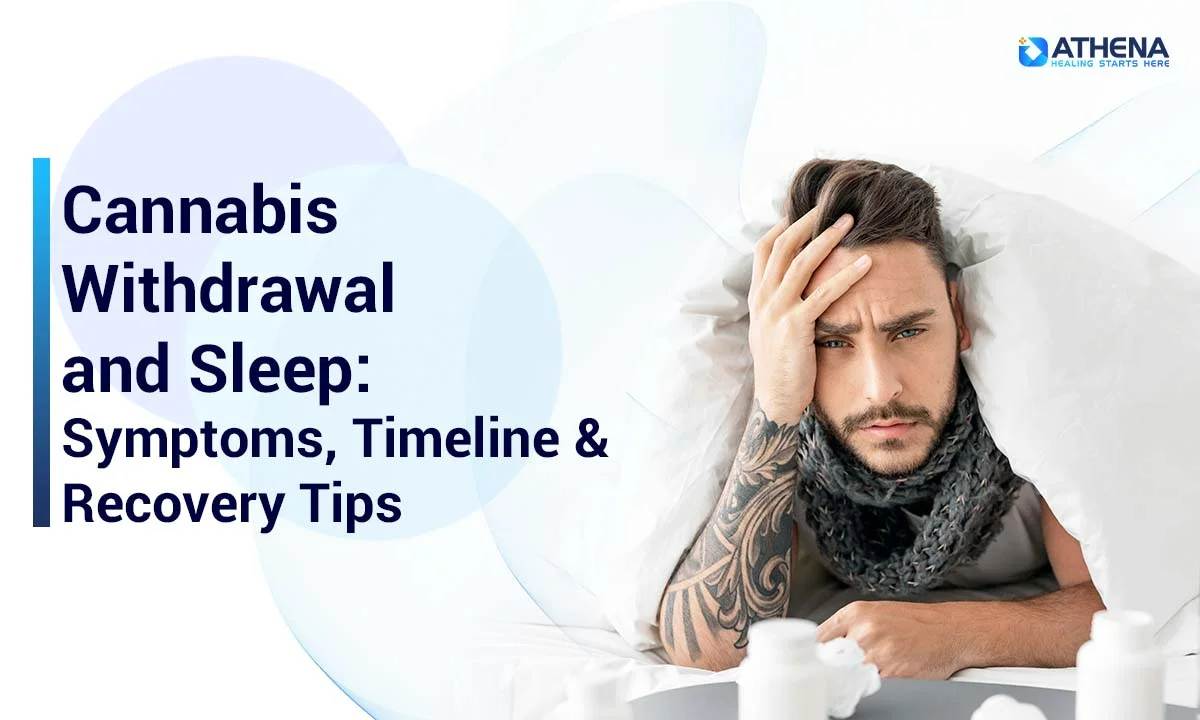

Cannabis withdrawal is a recognised symptom of reducing or stopping regular cannabis use. Symptoms may include poor sleeping, irritability, anxiety and cravings. Symptoms usually improve within 1 to 2 weeks for most people. However, some people may have trouble sleeping for several weeks.
Giving up cannabis can be more difficult than you might expect. If you were using cannabis regularly to help you relax or sleep, then you may find it hard to fall asleep at night. This can cause you to have trouble sleeping for hours, wake throughout the night, and have very vivid dreams.
Cannabis Withdrawal and Sleep
Cannabis contains an active chemical called tetrahydrocannabinol (THC). THC affects your endocannabinoid system, which helps regulate various bodily functions such as your mood, stress and sleep.
Common sleep symptoms include:
Insomnia – difficulty falling asleep, staying asleep and getting back to sleep.
Vivid dreams – dreams are more intense, strange and emotional.
Nightmares – you may experience scary dreams.
Anxiety – feelings of worry, restlessness and racing thoughts.
Tiredness – a lack of good-quality sleep can leave you feeling tired, unfocused and irritable.
Disrupted sleep patterns – you may find it difficult to establish a regular bedtime and feel refreshed when you wake up.
Cannabis Withdrawal Timeline: What Happens to Sleep After Quitting?
The cannabis withdrawal timeline varies depending on how frequently someone used cannabis, the amount and potency of THC consumed, and their physical and mental health.
Recovery stage | What you may experience | Sleep changes | What may help |
First 24–48 hours | Irritability, anxiety, cravings, and restlessness | Difficulty falling asleep or frequent waking | Maintain a consistent bedtime and limit evening stimulation |
Days 2–6 | Withdrawal symptoms often become more intense | Insomnia, vivid dreams, and disrupted sleep | Follow a relaxing bedtime routine and practise stress management |
Days 7–14 | Many physical symptoms begin to ease | Sleep may gradually improve, although dreams can remain intense | Keep a regular wake-up time and get daylight exposure |
Weeks 3–4 | Cravings and mood changes may become less frequent | Some people continue to experience poor sleep or fatigue | Monitor progress and seek advice if symptoms remain disruptive |
Beyond one month | Most acute symptoms may have subsided | Persistent insomnia or nightmares may require further assessment | Consult a healthcare professional about ongoing sleep problems |
For a broader explanation of symptom progression, read Athena Behavioral Health's guide to drug withdrawal symptoms and their timeline.
Why Do Sleep Problems Occur During Cannabis Withdrawal?
1. Body readjustment
THC can affect how we sleep and regulate our sleep/wake cycle. When you stop using cannabis, these may take some time to return to normal.
Making it harder to fall asleep and leaving you feeling less refreshed when you do.
2. Increased anxiety
Some people use cannabis to help them with daily stress, anxiety and/or uncomfortable feelings. If you're no longer using cannabis, these feelings may become more obvious.
Anxiety can leave you with racing thoughts, tense muscles and cause you to wake multiple times through the night.
3. Increased vivid dreaming
Many people report changes to their dreaming whilst withdrawing from cannabis. Some people report having very vivid or even nightmares due to the changes in their sleep patterns.
Whilst this can be unsettling, it doesn't mean you're not recovering well.
4. Breaking old habits
Cannabis can become a habit in your evening routine, whether it be smoking before bed, watching TV whilst using, or using it as a sign that the day is ending.
By breaking this habit, there will be a space. Creating new habits can help you have a more regular sleep pattern.
Cannabis Withdrawal Management: 7 Ways to Improve Sleep
There is no single technique that works for everyone. However, several practical strategies can reduce sleep disruption and support recovery.
When depression and substance use occur together, treating both concerns is important. Athena also provides information about depression and addiction treatment.
1. Keep a consistent sleep schedule
Go to bed and wake up at approximately the same time every day, including weekends. A regular schedule helps reinforce the body's sleep-wake rhythm. If you cannot fall asleep, avoid repeatedly checking the clock. Try a quiet activity in dim lighting until you feel sleepy again.
2. Create a calming bedtime routine
Give yourself 30–60 minutes to wind down before bed.
You could:
Take a warm shower.
Read a physical book.
Listen to quiet music.
Practise slow breathing or gentle stretching.
Keep your bedroom cool, dark, and comfortable.
Choose activities that feel relaxing rather than turning bedtime into another task to complete perfectly.
3. Reduce caffeine and nicotine
Coffee, tea, energy drinks, and other caffeinated products can worsen insomnia, particularly when consumed later in the day. Nicotine can also interfere with sleep. If you use tobacco alongside cannabis, tell your healthcare provider, as withdrawal from both substances may contribute to your symptoms.
4. Get daylight and physical activity
Spend time outdoors during the day and aim for regular physical activity suited to your fitness level. Walking, cycling, or another enjoyable activity can support general well-being and help establish a healthier daily rhythm. Avoid strenuous exercise close to bedtime if it leaves you feeling energised.
5. Manage cravings before bedtime
Cravings may become stronger when you feel restless, lonely, or unable to sleep. Prepare a plan for these moments. Call a supportive friend, leave the room associated with cannabis use, listen to a podcast, or practise a grounding exercise.
6. Avoid replacing cannabis with alcohol or sleeping pills
Do not start, stop, or combine sleep medications without speaking to a qualified healthcare professional. There is currently no medication specifically approved to treat cannabis withdrawal, although clinicians may recommend treatment for individual symptoms when appropriate.
7. Track your sleep and symptoms
A simple sleep diary can help you identify patterns and notice gradual improvement.
Record:
Your bedtime and waking time.
How long did it take to fall asleep?
How often did you wake during the night?
Caffeine or nicotine consumption.
Your mood, anxiety, and cravings.
Know more about medical detoxification and when supervised care may be appropriate.
How Cannabis Withdrawal Treatment Supports Long-Term Recovery
Managing insomnia is important, but lasting recovery often involves understanding why cannabis became part of everyday life. For some people, cannabis use is linked to stress, social situations, emotional distress, or difficulty managing anxiety. Others struggle with repeated cravings despite wanting to quit.
Evidence-based approaches such as cognitive behavioural therapy can help people identify triggers, change unhelpful thought patterns, and develop healthier ways to respond to stress. Behavioral interventions can also support craving management and relapse prevention. If cannabis use has become difficult to control, explore cannabis addiction treatment at Athena Behavioral Health.