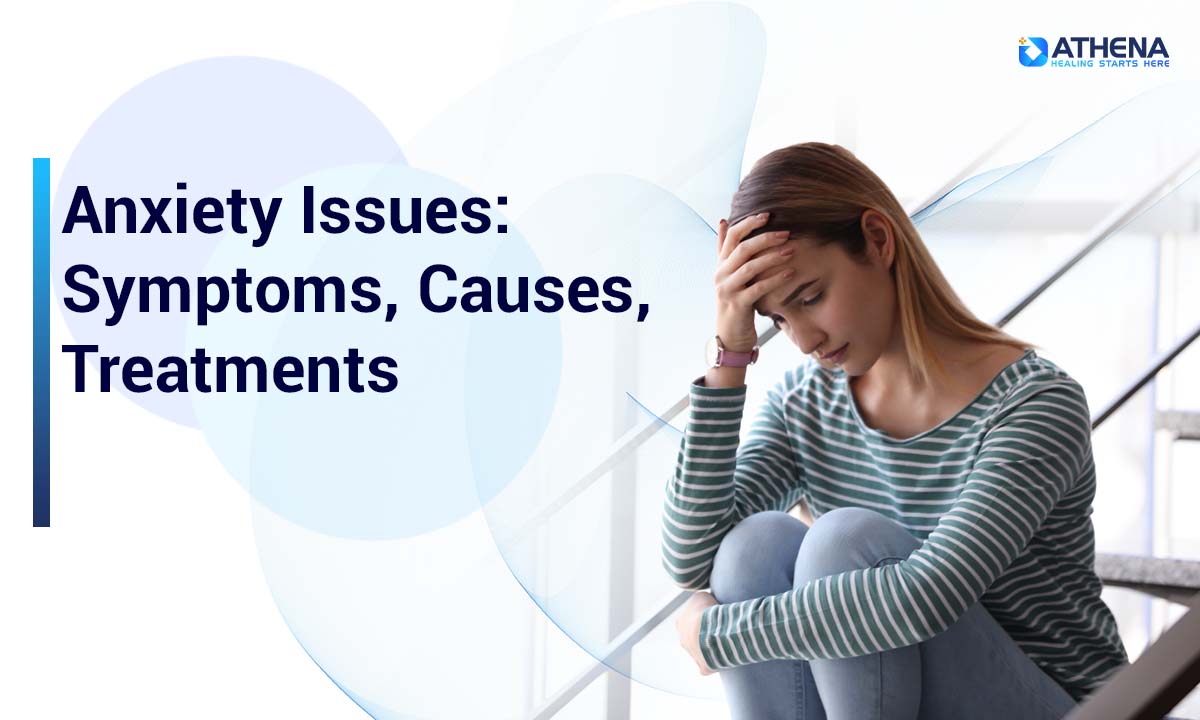

What are anxiety issues? Anxiety issues involve persistent worry, fear, or nervousness that can interfere with daily life. What are the symptoms? Common symptoms include excessive worrying, restlessness, sleep problems, racing thoughts, and a rapid heartbeat. Can anxiety issues be treated? Yes. Therapy, healthy lifestyle changes, and professional support can help manage symptoms effectively.
Anxiety issues are among the most common mental health challenges affecting people of all ages. They can influence thoughts, emotions, physical health, relationships, and daily functioning. At Athena Behavioral Health, individuals receive evidence-based support designed to help them understand, manage, and overcome anxiety issues while improving their overall quality of life.
What Are Anxiety Issues?
Everyone experiences anxiety from time to time. Feeling nervous before an important presentation, exam, interview, or life event is a normal stress response. However, anxiety issues go beyond temporary worry.
Anxiety issues involve persistent feelings of fear, nervousness, or unease that continue even when there is no immediate threat. These feelings can become overwhelming and may begin to interfere with work, school, social interactions, relationships, and everyday activities.
When anxiety becomes frequent, intense, or difficult to control, it may indicate an anxiety disorder that requires professional attention.
Why Anxiety Issues Should Not Be Ignored
Many people dismiss anxiety symptoms as stress or assume they will disappear on their own. However, untreated anxiety can affect both mental and physical well-being.
Potential consequences include:
Chronic stress and emotional exhaustion
Difficulty concentrating
Reduced productivity
Sleep disturbances
Relationship challenges
Increased risk of depression
Physical symptoms such as headaches and digestive problems
Recognizing symptoms early can help prevent anxiety from becoming more severe over time.
Common Symptoms of Anxiety Issues
Anxiety affects individuals differently, but several symptoms are commonly reported.
Emotional Symptoms
People experiencing anxiety issues may notice:
Excessive worrying
Constant feelings of dread
Irritability
Difficulty relaxing
Feeling overwhelmed by daily situations
Physical Symptoms
Anxiety often produces noticeable physical reactions. Recognizing key
Rapid heartbeat
Sweating
Trembling or shaking
Shortness of breath
Muscle tension
Fatigue
Stomach discomfort or digestive issues
If you frequently experience respiratory tightness during stressful moments, evaluating whether
Cognitive Symptoms
Anxiety can also affect thinking patterns, leading to:
Racing thoughts
Difficulty focusing
Overanalyzing situations
Constant anticipation of negative outcomes
Trouble making decisions
Behavioral Symptoms
Many individuals develop behaviors aimed at avoiding anxiety triggers, such as:
Avoiding social situations
Withdrawing from loved ones
Repeated reassurance-seeking
Procrastination
Changes in sleep patterns
What Causes Anxiety Issues?
There is rarely a single cause behind anxiety issues. Instead, anxiety often develops due to a combination of biological, psychological, and environmental factors.
Biological Factors
Certain physical factors may contribute to anxiety, including:
Family history of anxiety disorders
Brain chemistry imbalances
Hormonal changes
Certain medical conditions
Psychological Factors
Mental and emotional experiences can influence anxiety levels.
Examples include:
Childhood trauma
Negative thinking patterns
Perfectionism
Low self-confidence
Chronic fear of failure
Environmental and Lifestyle Triggers
Daily experiences and external stressors can increase anxiety risk.
Common triggers include:
Work-related pressure
Academic stress
Financial difficulties
Relationship conflicts
Major life transitions
Substance misuse
Different Types of Anxiety Disorders
Understanding the specific
Generalized Anxiety Disorder (GAD): This condition involves persistent and excessive worry about everyday situations, even when there is little reason for concern.
Panic Disorder: Sudden episodes of intense fear accompanied by physical symptoms. Learning to identify
anxiety attack vs. panic attack differences is key to managing acute symptoms effectively.Social Anxiety Disorder: This disorder involves a strong fear of social interactions and concern about being judged or embarrassed by others.
Specific Phobias: A phobia is an intense fear of a particular object, activity, or situation that poses little actual danger.
Separation Anxiety Disorder: Although commonly associated with children, adults can also experience significant anxiety related to separation from loved ones.
Anxiety Related to Trauma and PTSD: Traumatic experiences can lead to ongoing anxiety, hypervigilance, and emotional distress that continue long after the event has occurred.
How Anxiety Issues Affect Daily Life
Anxiety does not only impact emotional well-being. It can influence multiple areas of life.
Physical Health
Chronic anxiety may contribute to:
Fatigue
Frequent headaches
Digestive concerns
Increased muscle tension
Sleep disturbances
Work and Academic Performance
Persistent anxiety can reduce concentration, productivity, and decision-making abilities, making it difficult to perform effectively.
Relationships
Anxiety can create misunderstandings, communication difficulties, and social withdrawal, affecting personal and professional relationships.
Overall Well-Being
Over time, untreated anxiety issues can reduce enjoyment of daily activities and make individuals feel disconnected from their goals and interests.
When Do Anxiety Issues Require Professional Help?
While occasional anxiety is normal, certain warning signs indicate that professional support may be beneficial.
Signs You Should Not Ignore
Consider seeking help if:
Symptoms persist for several weeks or months
Anxiety interferes with daily responsibilities
Panic attacks occur regularly
Sleep problems become chronic
Avoidance behaviors increase
Situations Requiring Immediate Attention
Immediate professional intervention may be necessary if anxiety is accompanied by:
Severe emotional distress
Thoughts of self-harm
Suicidal thoughts
Significant impairment in daily functioning
How Anxiety Issues Are Diagnosed
Mental health professionals use a comprehensive assessment process to understand symptoms and identify the most appropriate treatment approach. Understanding the distinct roles in mental health care—such as the differences between a
This may include:
Clinical interviews
Psychological evaluations
Medical history reviews
Assessment of symptom patterns and severity
Accurate diagnosis is an important step toward effective recovery.
Effective Treatment Options for Anxiety Issues
The good news is that anxiety issues are highly treatable.
Cognitive Behavioral Therapy (CBT)
CBT is one of the most widely recommended therapies for anxiety. It helps individuals identify and change negative thought patterns that contribute to anxiety.
Counseling and Psychotherapy
Various therapeutic approaches can help people understand their triggers, improve coping skills, and develop healthier emotional responses.
Medication Management
In some cases, medication may be recommended to help manage symptoms while individuals work on long-term recovery strategies.
Mindfulness and Stress Management
Techniques such as meditation, breathing exercises, and relaxation training can help reduce anxiety symptoms and improve emotional regulation.
Holistic Treatment Approaches
A comprehensive treatment plan may include therapy, lifestyle modifications, wellness activities, and ongoing support tailored to an individual's needs.
Enrolling in a structured
Self-Care Strategies to Manage Anxiety Issues
Professional treatment can be highly effective, but self-care also plays an important role in managing anxiety.
Prioritize Quality Sleep: Consistent sleep patterns support emotional and physical health.
Stay Physically Active: Regular exercise helps reduce stress hormones and improve mood.
Reduce Caffeine and Alcohol: These substances can sometimes worsen anxiety symptoms.
Practice Relaxation Techniques: Deep breathing, mindfulness, and meditation can help calm the nervous system.
Build a Support Network: Connecting with trusted friends, family members, or support groups can provide emotional reassurance.
Maintain Healthy Routines: Structure and consistency often help reduce feelings of uncertainty and stress.
Can Anxiety Issues Be Prevented?
Not all anxiety can be prevented, but certain habits may lower the risk and improve resilience.
Strengthen Emotional Resilience
Developing healthy coping mechanisms can help individuals navigate stressful situations more effectively.
Manage Stress Early
Addressing stress before it becomes overwhelming may reduce the likelihood of chronic anxiety.
Create a Mental Wellness Plan
Regular self-care, healthy relationships, and professional support when needed can contribute to long-term emotional well-being.
Conclusion
Anxiety issues can affect every aspect of life, from emotional health and physical well-being to relationships and career performance. However, anxiety is highly manageable when recognized early and treated appropriately. Understanding the symptoms, causes, and available treatment options empowers individuals to take meaningful steps toward recovery and improved mental wellness.
Take the First Step Toward Better Mental Health with Athena Behavioral Health
If anxiety issues are affecting your daily life, professional support can make a meaningful difference. Athena Behavioral Health offers comprehensive mental health services, including psychiatric care, counseling, psychotherapy, and personalized treatment plans designed to address anxiety disorders and related concerns. With a team of experienced mental health professionals and evidence-based treatment approaches, Athena helps individuals build resilience, regain confidence, and move toward lasting emotional well-being. Contact Athena Behavioral Health today to begin your journey toward a healthier and more balanced life.