
Most individuals do not seek treatment for their addiction until they think they can quit it independently. It is a popular belief, but it is clinically inaccurate. The experience of repeated research and real-life stories of addiction recovery has proven that recovery is more likely to fail without professional aid, not due to poor willpower,but rather to the fact that addiction actually changes the way the brain functions, behaves and responds to stress.
Understanding why recovery is difficult without help is the first step toward choosing effective substance abuse treatment and long-term stability.
Addiction: What Actually Happens in the Brain
Addiction is not an issue of a bad habit, but it is a disorder of the brain.
The brain of a person, when subjected to substance use or compulsive behaviour like gambling, has its:
- Reward system (motivation and pleasure)
- Stress response
- Decision-making and impulse control
become dysregulated.
Over time, the brain prioritises the substance or behaviour over health, family, and work—even when the individual genuinely wants to stop. This creates a predictable cycle:
Craving → Temporary relief → Guilt → Relapse
Unless there is an organized intervention, the brain is stuck in this circle. That is why professional therapy of drug addiction is aimed at not only the neurological recovery but also at the behavioural one.
Why Willpower Alone Usually Fails
Motivation, promises, or short breaks are some of the attempts that many people attempt to use to quit. This treatment method is hardly ever effective clinically since:
Addiction negatively affects Decision-Making.
The brain's control systems weaken even when the consequences are evident. Caving-inflicted behaviour overrides logical choices.
2. Triggers Are Everywhere
Most relapses are not random. They are driven by:
- Emotional conflict and stress.
- Social pressure
- Environmental cues
- Fatigue or poor sleep
These triggers are not controlled without therapy.
3. Guilt Increases Relapse Risk
Failure upon failure is a cause of shame, secrecy and isolation- more reinforcing addictive patterns.
Proper substance abuse treatment, which substitutes guilt-related cycles with coping techniques.
Why Withdrawal Without Medical Supervision Is Risky
Specific substances, in particular, alcohol, opioids, and prescription medications, may have hazardous withdrawal symptoms when abruptly discontinued, such as:
- Severe anxiety and panic
- Sleep disturbances
- High blood pressure
- Convulsions or health crises.
Through medically supervised detoxification, one is assured of:
- Physical safety
- Symptom control
- Reduced early relapse risk
Treatment does not merely involve detox; however, unsafe detox inevitably results in a treatment failure.
Why Short-Term Detox or Home Quitting Often Fails
Most of the informal or low-quality centres are dedicated to detoxification. Though detox is a process that helps to get the body clean, it does not cure addiction.
Drug addiction treatment should involve:
- Psychological therapy
- Behavioural restructuring
- Relapse prevention plan.
- Ongoing aftercare
In the absence of these variables, the relapse rates stay elevated in weeks or months- irrespective of the motivation.
Why Structured Treatment is More Effective
Joint Medical and Psychological Treatment
Effective recovery interventions involve:
- Psychiatric supervision
- Therapy-based interventions
- Behavioural rehabilitation
- Family involvement
This solution addresses physical addiction as well as underlying mental patterns.
2. Personalised Treatment Strategies
There is no universal recovery. Individual plans take into account:
- Addiction type (alcohol, drugs or rehab for gambling)
- Duration and severity
- Mental health status
- Family and employment commitments.
Personalisation enhances interaction and lessens the chances of relapse.
3. Focus on Life Skills, Not Just Abstinence
Long-term recovery has to be applied in actual life. Organized programs entail:
- Emotions and stress management.
- Sleep stabilisation and routine.
- Work and social reintegration facilitation.
This is what contributes to a sustainable, non-overwhelming life after recovery.
4. Structured Aftercare and Follow-Up.
The process of recovery does not stop at the point of discharge. Regular follow-up involves:
- Relapse warning monitoring
- Continued counselling
- Accountability and support
Post-discharge is much more effective in the long run.
5. Specialised Rehab for Gambling
Behavioral addictions have been underestimated or overlooked. Rehabilitation of gambling is aimed at:
- Compulsion control
- Financial counselling
- Family rebuilding
- Cognitive-behavioural restructuring
Gambling relapse is high without treatment since the neurological reward system is involved.
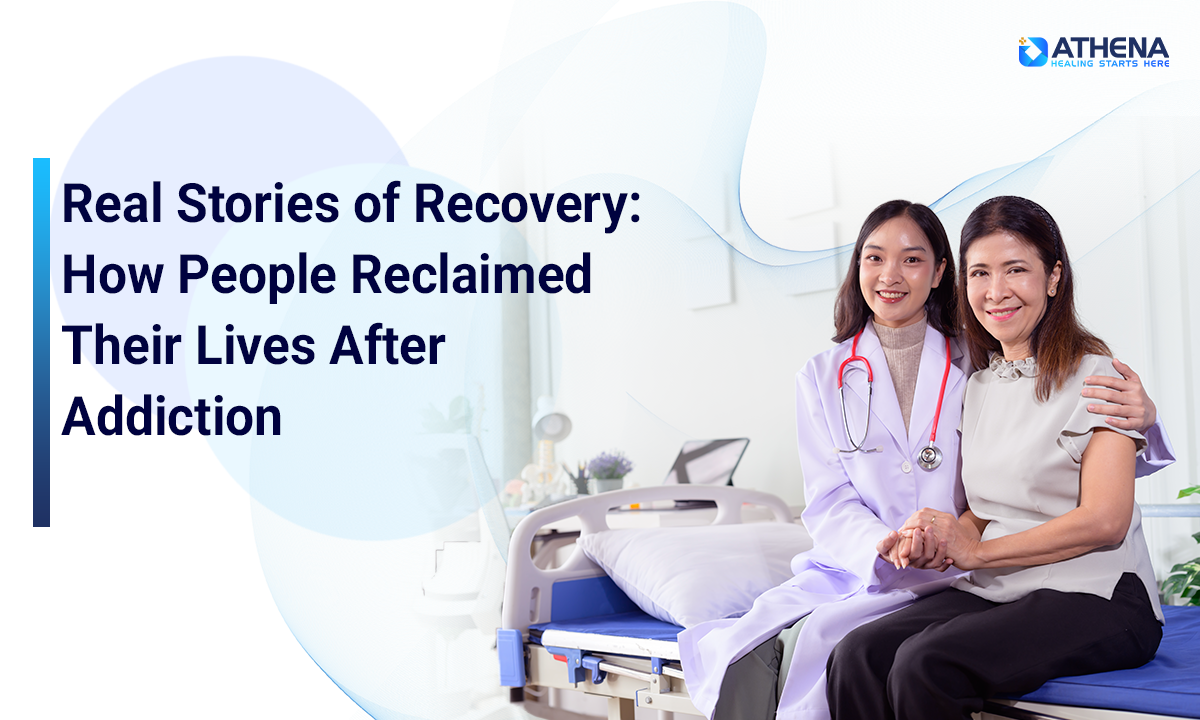
Real Addiction Recovery Stories: What Recovery Looks Like When Done Right
The Story of Aman- Alcohol and Opioid Dependency.
Repeated self-quit attempts were unsuccessful after an excess of ten years of alcohol and opioid dependence. Inpatient substance abuse treatment, medical care, therapy and family intervention were structured to assist Aman to regain stability.
Nowadays, he is a sober person who mentors others and does not hesitate to seek professional assistance when needed.
Major point: Recovery is more than abstinence; it is regaining identity and meaning.
Sara’s Story – Cocaine Addiction
Socially introduced, cocaine slowly influenced Sara in her confidence, ability to work, and emotional stability. Combined drug addiction treatment (detox, therapy, group support and mindfulness) was used to treat not only substance use but also emotional vulnerability.
Sara, who is currently three years sober, helps other women to recover.
Important discovery: Intervention at a young age averts harmful effects later in life.
Kunal Comeback -Methamphetamine Usage.
The stress at work became an extreme form of addiction, which cost Kunal his job and family. Gradual yet permanent recovery was achieved through intensive long-term treatment, relapse-prevention planning and aftercare.
He is today in the mental health profession.
Impression: The recovery process takes time, organization, and follow-up.
What These Addiction Recovery Stories Have in Common
And in the case of alcohol, drugs, prescription drugs, as well as gambling, recovery was achieved successfully:
- Medical assistance (not cold-turkey quitting)
- Coping skills instructional therapy.
- Relapse prevention planning.
- Continued follow-up and follow-up.
Rapid detox in itself is no treatment.
Life After Recovery: What Actually Changes
Life after recovery is not the disappearance of problems; it is people being in control.
Ordinary enhancements are:
- Less craving and less emotional instability.
- Improved sleep and focus.
- Improved work performance
- Better communication in the family.
- Lower relapse risk
Recovery is a process that cannot be left untreated, that is, like diabetes or blood pressure.
When Should Someone Seek Professional Help?
Refer to professional substance abuse treatment when:
- Attempts to quit keep failing
- Recreational drugs or gambling have an impact on work or family.
- Withdrawal symptoms appear
- The dose or frequency continues increasing.
- Behaviour is also secretive or compulsive.
The earlier the intervention, the better the results and the fewer complications.
Taking the Right Step at Athena Behavioral Health
In the journey of mental health, where anxiety often masquerades as overthinking or drama, taking the right step means choosing expert care like Athena Behavioral Health.
Failure to treat in time usually results in:
- Worsening physical and mental health
- Financial loss
- Relationship breakdown
- Increased relapse severity
The recovery is not about power, but rather about timely, appropriate support.
Take the First Practical Step Toward Recovery
Addiction recovery stories show that recovery is possible with structured, medically guided care. Whether it involves alcohol, drugs, or gambling, the right treatment approach can help rebuild health, stability, and purpose.
Call today for a confidential assessment on + 91 9289086193 Visit our website: www.athenabhs.com to understand treatment options and the admission process. Professional support can help you regain control and stability