
Drug Rehabilitation Centre in Delhi
Athena Luxus, our dedicated facility in Delhi, brings together psychiatrists, addiction medicine specialists, clinical psychologists, and trained nursing staff to manage withdrawal safely, treat what's driving the substance use, and rebuild a life that can actually hold steady once treatment ends.
- Medically Supervised Detox & Stabilisation
- Dual Diagnosis & Mental Health Support
- Individual and Group Psychotherapy
- Relapse Prevention & Aftercare
- Family Counselling & Education
- Residential & Outpatient Care
Book Your Appointment
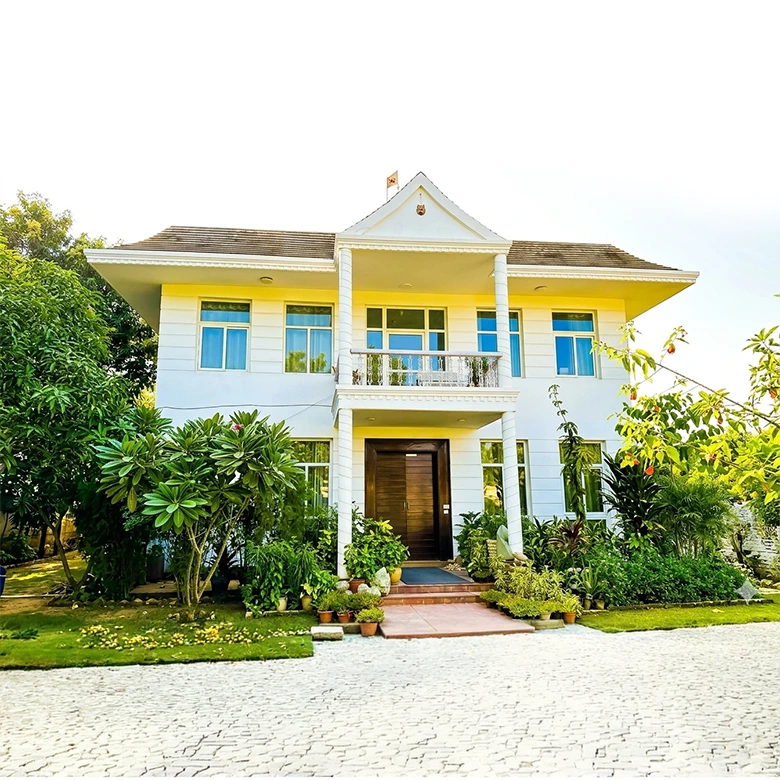
Why Families Choose This Drug Rehab Centre in Delhi
Delhi's pace rarely slows down for anyone, and that pressure shows up in different ways. A college student starts using it to keep up socially. A business owner leans on something to get through back-to-back deadlines. A parent discovers their teenager has been hiding pills for months. By the time most families call us, substance use has already started pulling at work, money, marriage, or health, and often more than one at a time.
As a nasha mukti kendra in Delhi, Athena Luxus treats the person, not just the substance. Every patient begins with a full psychiatric assessment, because addiction rarely shows up alone. Anxiety, depression, trauma, or an undiagnosed mood disorder is frequently sitting underneath it, and treating only the visible addiction while ignoring what's feeding it is one of the most common reasons relapse happens within months of leaving a facility.
"Recovery is built as an ongoing process, with the person guided steadily toward stability rather than rushed toward a discharge date. Every stage moves at the pace the patient's actual progress allows, not a fixed calendar, because healing that's hurried along rarely holds once the structure of a facility falls away.”
Our Dedicated Treatment Team for Drug Rehabilitation Centre in Delhi

Prof. (Dr.) Nimesh G. Desai

Dr. Ashish Mittal

Dr. Rahul Rai
What Our Delhi Drug Addiction Centre Offers
24/7 Medically Monitored Care
Round-the-clock psychiatric and nursing supervision during withdrawal, acute distress, or psychiatric crisis, so patients are never left to manage the hardest days alone.
Separate, Private Wards
Government-licensed residential wings for men and women, designed for comfort, dignity, and complete privacy.
Evidence-Based Therapy
Cognitive Behavioral Therapy (CBT), Dialectical Behavior Therapy (DBT), and Motivational Enhancement Therapy (MET), delivered by trained clinical psychologists, not generic group sessions.
Dual Diagnosis Integration
Depression, anxiety, PTSD, and addiction are treated together by one accountable clinical team, so nothing gets missed between specialists.
Absolute Confidentiality
Built for working professionals, students, and families who need treatment kept private from employers, extended family, and colleagues.
Structured Aftercare
Ongoing outpatient care, family counselling, and scheduled check-ins once a patient returns home, so progress doesn't unravel in the first few difficult weeks.
Clinical Excellence
The Medical Approach Behind Our Rehab Centre in Delhi
Getting someone off a substance safely is only the first step. Doing it without proper medical supervision can be genuinely dangerous, particularly with alcohol or long-term sedative use, where sudden withdrawal can bring on seizures, severe agitation, or delirium tremens. Our medical detoxification programme manages this phase with continuous monitoring and medication support where clinically needed, so the body is stabilised before deeper psychological work begins.

Once a patient is medically stable, treatment moves into structured psychotherapy, addressing the thought patterns, trauma, or untreated mental health conditions that so often sit behind substance use. This is also where we screen carefully for dual diagnosis, since a patient struggling with alcohol dependence is just as likely to be dealing with depression or anxiety that's never been named or treated.
Families are brought into the process early too. Drug Addiction rarely affects just one person in a household, and family counselling helps everyone understand triggers, set healthier boundaries, and support recovery once the patient is back home, rather than unknowingly recreating the same pressures that fed the addiction in the first place.
Modern Lifetime Challenges
Understanding Drug Addiction in a City Like Delhi
Long work hours, academic pressure, social drinking that quietly becomes daily drinking, and easy access to prescription medication all contribute to substance use patterns that often go unnoticed until they're already serious. Recognising where someone actually stands matters, because the right treatment depends entirely on getting this right.
Occasional or Social Use: Substance use tied to specific events or social settings, such as a party, a celebration, or unwinding after a long week, without physical dependence, tolerance, or interference in daily responsibilities. The person can usually go extended periods without using and does not experience cravings, withdrawal, or a loss of control when the substance isn't available.
Substance Use Disorder: A pattern involving increasing tolerance, withdrawal symptoms when stopping, repeated failed attempts to cut back, and noticeable disruption to work, relationships, and health.
This distinction shapes everything that follows in treatment. A rehabilitation centre in Delhi that treats both patterns the same way often gets outcomes wrong. Consulting a psychiatrist early, before dependence sets in fully, makes recovery considerably more manageable and significantly lowers the risk of long-term complications.

Therapy Approaches at a Glance
| Therapy | Primary Focus | Best Suited For |
| CBT | Reshaping thought patterns that drive substance use | Patients with negative thinking loops or repeated coping-through-substance patterns |
| DBT | Building emotional regulation and distress tolerance | Patients with intense emotional reactivity or impulsive behaviour |
| MET | Strengthening internal motivation for change | Patients who feel unsure or resistant about committing to treatment |
| Family Counselling | Rebuilding trust and communication at home | Families affected by a loved one's addiction |
| Holistic Practices | Supporting the nervous system's recovery | Patients stabilising sleep, stress response, and daily routine |
Recognising the Warning Signs of a Drug Addict
Recognising there's a problem is usually the hardest part, both for the person using it and for the family watching it happen from the sidelines, often unsure of what they're even seeing. If several of these signs feel familiar, it's worth having an honest conversation with a specialist sooner rather than later.
Increased Tolerance
Needing more of a substance over time to feel the same effect as before.
Withdrawal Symptoms
Shaking, sweating, anxiety, or physical discomfort when the substance wears off.
Failed Attempts to Quit
Repeated promises to stop or cut back that don't hold beyond a few days.
Neglecting Responsibilities
Missed deadlines, skipped classes, or withdrawal from family obligations that once mattered.
Secretive Behaviour
Hiding use, lying about whereabouts, or becoming defensive when questioned.
Physical and Emotional Decline
Noticeable changes in appearance, mood, sleep, or overall health.
Not Sure If This Is You? Talk to a Specialist
Confidential Support, available 24×7
ABOUT THERAPY AT ATHENA
Our Evidence-Based Treatment Approach
Clinical Assessment & Dual Diagnosis
Every patient begins with a complete psychiatric and medical evaluation on admission, which includes careful screening for co-occurring depression, anxiety, or trauma alongside the substance use itself. This step matters because treating addiction while an underlying condition goes unnoticed rarely leads anywhere lasting.
Medically Supervised Detox
Withdrawal is managed around the clock by our psychiatric and nursing team, with medication support provided where clinically necessary to ease discomfort and reduce risk. Nothing about this phase is left to chance.
Psychological Therapy
Once stabilised, patients move into structured CBT, DBT, and MET sessions designed to address both the addiction and the thought patterns or emotional struggles driving it underneath.
Holistic Healing
Daily routines built around yoga, nutrition, and physical activity support the body's recovery alongside clinical treatment, helping restore balance that addiction often disrupts. Explore our mindfulness and wellness programme for more detail.
Why Choose Us
The Best Drug Rehabilitation Centre in Delhi

What sets Athena Luxus apart is straightforward: clinical seriousness paired with genuine patient-centred care. Our Delhi facility brings together senior psychiatrists, addiction specialists, clinical psychologists, and certified counselors who review each case together and adjust the treatment plan as recovery progresses, instead of holding onto a plan drawn up on day one regardless of how the patient is actually responding.
Recovery doesn't stop at discharge either. Every patient leaves with a written relapse prevention plan, practical coping strategies, and outpatient contacts to lean on in the months that follow, because the weeks right after leaving a facility are often when a person is most vulnerable to slipping back. This is also when old environments, familiar faces, and everyday stress start pressing in again, sometimes harder than expected, which is exactly why structured follow-up matters as much as the treatment itself.
Our executive and high-performance care track offers flexible scheduling, private rooms, and arrangements for essential communication where clinically appropriate, so professionals and students alike can get proper treatment without their entire life stopping in the process.
How We Help
Your Recovery Journey, Mapped Out Clearly
At Athena Behavioral Health, every stage is planned around your symptoms, addiction history, mental health needs, and personal recovery goals, so you always know what comes next.
Reach our confidential admissions team by phone or WhatsApp. We answer questions, address any urgent safety concerns, and arrange an initial consultation, often the same day.
On arrival, our psychiatric and medical staff conduct a complete assessment to determine exactly what level of care is needed.
Withdrawal and any acute symptoms are managed safely under continuous psychiatric and nursing supervision.
Individual therapy, group sessions, family counselling, and holistic practices build toward recovery that holds up once treatment ends.
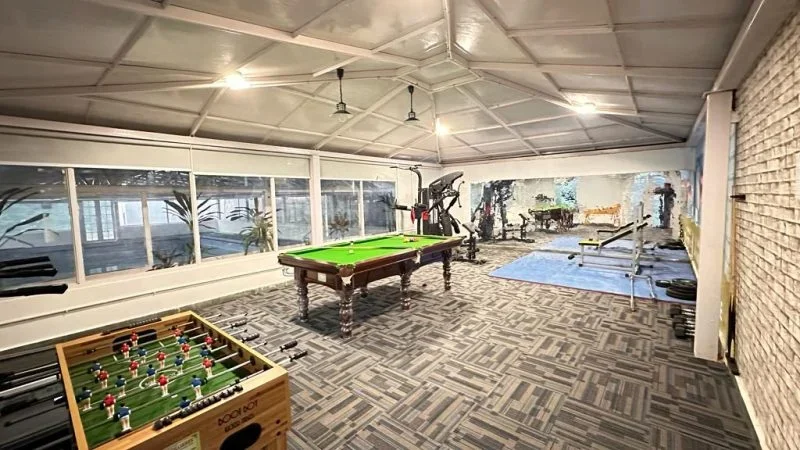
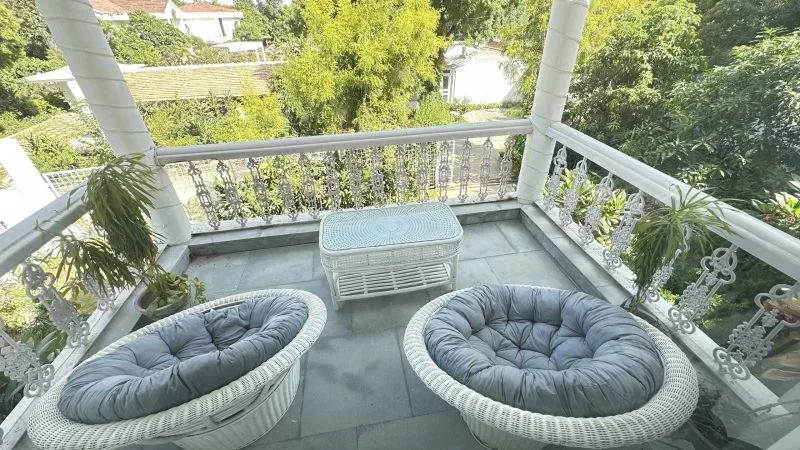
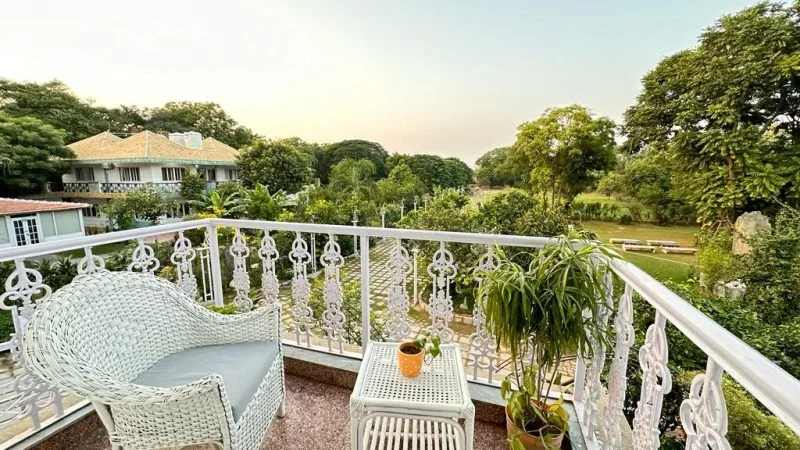
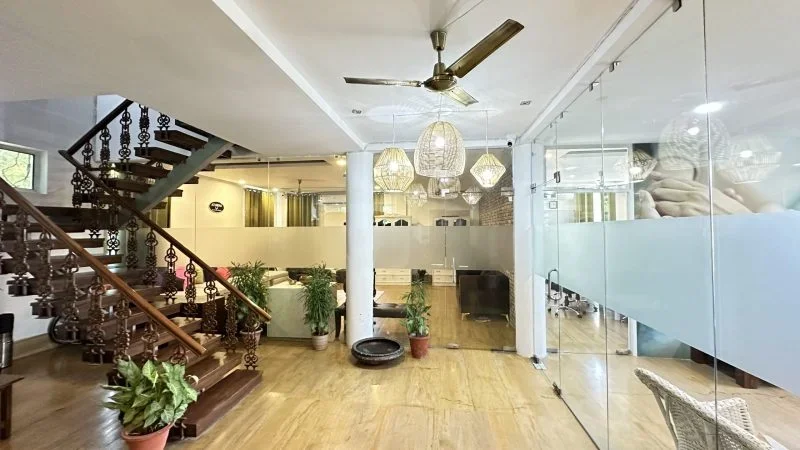
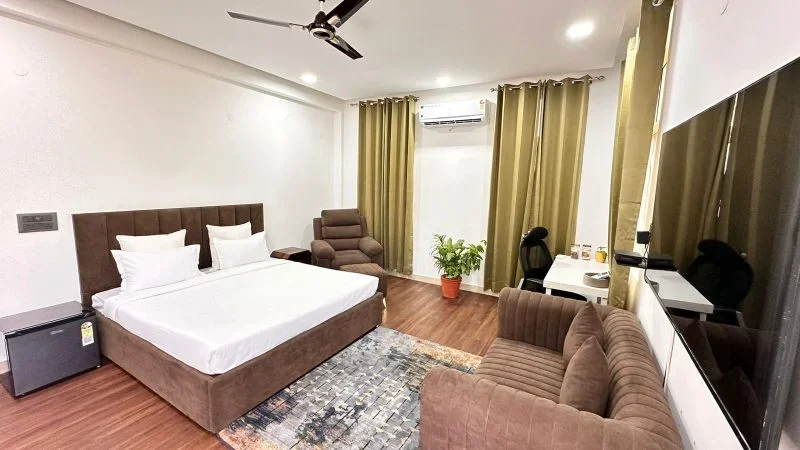
Take a Look Inside Our Delhi Facility
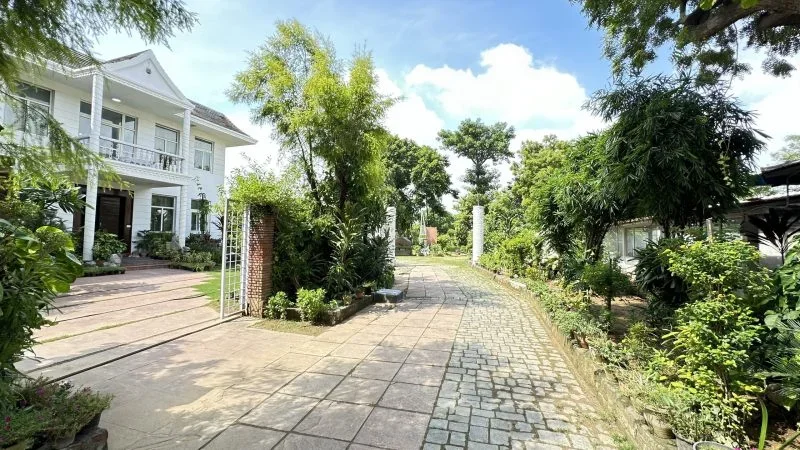
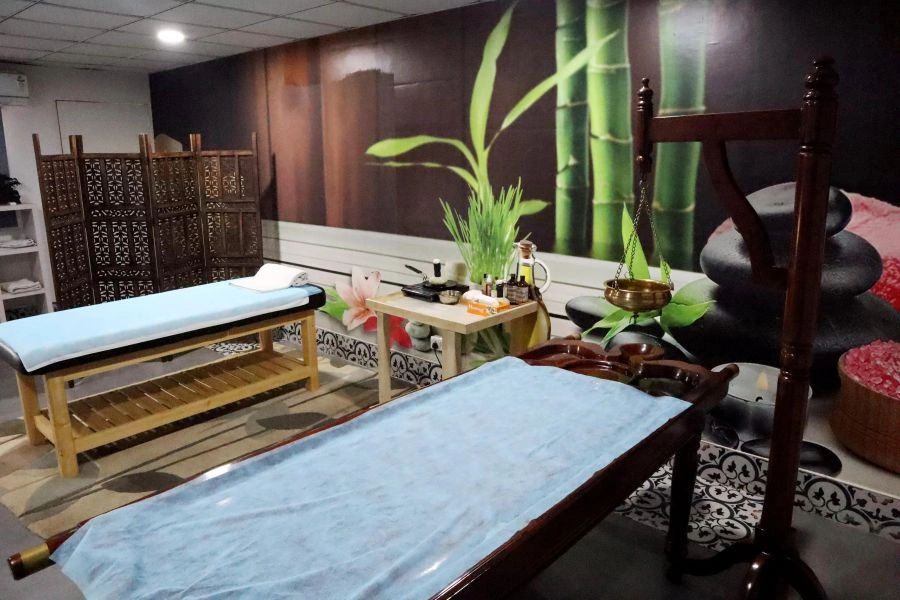
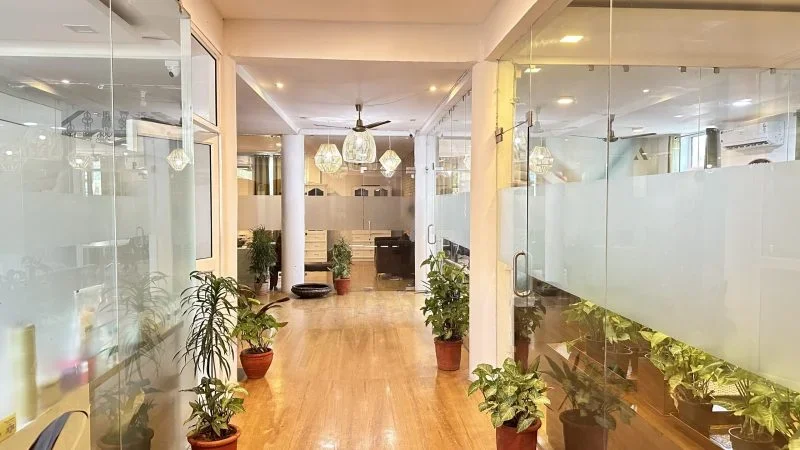
Conditions We Treat






.png)






WHAT OUR PATIENTS SAY
Frequently Asked Questions
Most patients stay for four to six weeks of residential care, with detox or stabilisation in the first one to two weeks, followed by structured outpatient aftercare.
Yes, in most cases. Stopping alcohol or certain drugs abruptly without supervision can cause seizures or severe complications. Our team manages this safely under continuous care.
A relapse is treated as a setback to work through, not a failure. Our team reassesses, provides short-term stabilisation if needed, and reinforces the aftercare plan.
We prefer voluntary admission, but our team can guide families on approaching a reluctant loved one, including intervention support where needed.
Consultation, nursing care, detox, therapy, meals, and accommodation. Exact pricing depends on the level of care needed.
No. Confidentiality is a clinical and legal priority. No details are shared with employers or extended family without written consent.
Yes. Family counselling is built into treatment wherever appropriate, since addiction affects the whole household, not just the person using it.
Call our confidential helpline or message us on WhatsApp. Our admissions team is available 24x7 to answer questions and arrange a same-day or next-day assessment.
Yes. When a patient uses more than one substance, all of it is assessed and treated together under one coordinated plan.
Yes. Our outpatient and day care programmes offer structured daily care while patients continue living at home.
How to reach Athena - Delhi
Athena Luxus, Delhi
Athena Luxus, South Delhi, New Delhi
Landmark: South Delhi
- South Delhi
- Central Delhi
- Gurugram border areas
- Noida border areas
Speak to Our Care Team - 24×7 Confidential Support
Confidential help is just a call or chat away. Our team is ready to listen - without judgment, without pressure.