
Best Rehabilitation Centre in Delhi
Athena Behavioral Health’s Rehabilitation centre in Delhi brings together medical care, psychological support, and practical relapse-prevention strategies to support long-term recovery. Recovery is not simply about staying away from substances. It also involves rebuilding healthy routines, restoring relationships, and developing the confidence to manage life without depending on them.
- Medical Detoxification
- Detailed Psychiatric Evaluation
- Psychotherapy & Counselling
- Mindfulness, Yoga & Wellness
- Aftercare and Relapse Prevention
- In-Patient and Out-Patient Programs
Book Your Appointment

Rehab Centre in Delhi: Why Addiction Spreads Quietly Across a Growing City
Athena Behavioral Health has seen how a sprawling, fast moving city like Delhi creates the exact conditions where substance dependence can take hold unnoticed. Long commutes, intense academic and career competition, easy availability of alcohol and drugs, and a culture that often treats addiction as something to hide rather than treat all contribute to dependence building silently over months or years.
This is why choosing the right Rehabilitation centre in Delhi matters far more than choosing the most convenient one. At Athena Behavioral health (one of the best luxury rehab in Delhi), we start by understanding the person behind the addiction, including their history, environment and health, rather than placing them into a generic program.
If someone you know is showing signs of an overdose or dangerous withdrawal, contact emergency services immediately. This is a medical emergency that cannot wait for a scheduled appointment.
Our Dedicated Treatment Team for Rehabilitation Centre in Delhi

Prof. (Dr.) Nimesh G. Desai

Dr. Ashish Mittal

Dr. Rahul Rai
What Separates a Reliable Rehab Centre From an Average One
Continuous medical availability
Withdrawal from alcohol or certain drugs can become dangerous without immediate medical response, so round the clock supervision is essential.
A qualified clinical team
Confirm the presence of psychiatrists, clinical psychologists and trained counsellors, not just general support staff.
Clear treatment logic
A good centre explains why a certain length or intensity of treatment is recommended, rather than applying the same program to every patient.
Upfront confidentiality standards
Privacy practices should be communicated clearly before admission begins, not only when specifically asked.
A defined aftercare structure
Ask what support continues after discharge, since ongoing care often determines whether recovery actually lasts.
An environment built on respect
The setting should never feel punitive, and patients should never feel reduced to their addiction.
Clinical Excellence
One Coordinated Team Across Delhi and the NCR
At Athena's alcohol rehabilitation centre in Delhi NCR, treatment is never handled by a single professional working in isolation. Psychiatrists manage the medical side of detox and medication, while psychologists and counsellors work through the emotional and behavioural roots of addiction, always with the patient's consent shaping how information moves between them.

A common assumption is that the best rehabilitation centre in Delhi is simply the one with the most extensive facilities. In practice, what determines outcomes is whether the length and intensity of treatment are matched correctly to the substance, the duration of use and the patient's overall health, which our intake assessment is specifically designed to identify.
Every recovery plan includes structured psychotherapy and counselling as a core component, not an add-on, so patients build lasting coping skills rather than relying purely on willpower once treatment ends.
Addiction that has developed over several years, particularly involving alcohol or prescription drugs, generally responds better to a phased treatment approach than a single short program. Our team stays involved throughout that longer journey with consistent reviews and an environment free of judgment.
Modern Lifetime Challenges
How Addiction Usually Comes to Light
In most households, the discovery of a substance problem is not sudden. It tends to surface gradually through inconsistent behaviour, unexplained mood changes, missed responsibilities or a slow withdrawal from people who used to matter. Families often attribute these shifts to stress or personality changes, until a clearer pattern becomes impossible to ignore. Left unaddressed, dependence tends to become more entrenched, which is why earlier recognition generally leads to a more manageable recovery process.
Very few families act on the very first warning sign. More often, there is a stretch of hoping things will improve on their own, along with repeated informal conversations that do not produce lasting change, before professional treatment starts to feel like the only option left.
Alcohol Dependence in Adults: A pattern where regular social drinking shifts into a daily necessity, often accompanied by concealment, irritability or physical discomfort during attempts to stop.
Substance Use Among Students and Young Professionals: Growing reliance on recreational drugs or prescription medication, frequently starting under academic pressure or career stress and intensifying over time.

Understanding Relapse Risk: A Practical Comparison
Families often ask what actually determines whether someone is likely to relapse after treatment, since this concern shapes how seriously aftercare should be taken. This table outlines the common risk categories our team evaluates during recovery planning.
| Risk Category | Common Contributing Factors | Recommended Focus in Treatment |
| Low Relapse Risk | Shorter duration of substance use, strong family support, stable living environment | Structured out-patient counselling with periodic check-ins |
| Moderate Relapse Risk | Repeated past attempts to quit, ongoing exposure to triggers, some family or work instability | Extended therapy combined with active relapse prevention planning |
| High Relapse Risk | Long term dependence, co-occurring mental health conditions, unstable home or work environment | Residential rehabilitation followed by intensive, long term aftercare support |
This comparison is meant to guide conversations around treatment planning, and an individual's actual risk level is always determined through a full clinical evaluation.
Warning Signs Families Often Overlook
Certain shifts in behaviour do not raise alarm on their own, which is exactly why they tend to go unnoticed until a clearer pattern takes shape over time.
Missing Without Explanation
Skipped work commitments, canceled family plans or vague reasons for being unreachable begin to happen with more regularity. As time passes, these gaps become harder to justify with the usual excuses.
Guarded Reactions to the Subject
Bringing up substance use, even gently, is met with sharp or irritated responses. The more the topic gets raised, the more guarded and defensive these reactions tend to become.
Cutting Back That Never Sticks
Genuine intentions to reduce use are expressed, but old patterns return within a matter of days. This repeated cycle of trying and slipping back can continue for a long stretch before it is treated as a serious concern.
Signs of Physical Withdrawal
Shaking, sweating or nausea show up once the substance is out of reach, pointing to a physical dependence that has developed over time. Early on, these symptoms are often mistaken for something unrelated, like a passing illness.
Fading Interest in What Once Mattered
Friendships, personal interests and everyday routines slowly get pushed aside, often without any real explanation offered. Things that used to feel effortless and enjoyable start to feel like more trouble than they are worth.
Money Troubles That Do Not Add Up
Funds seem to run out faster than usual spending would account for, and questions about where the money went are met with unclear or shifting answers. This pattern usually builds quietly until it becomes too obvious to dismiss.
Not Sure If This Is You? Talk to a Specialist
Confidential Support, available 24×7
ABOUT THERAPY AT ATHENA
Inside Athena's Rehab Program in Delhi
Personalised Assessment and Planning
Every treatment plan is shaped around the individual's specific substance history, lifestyle and health status, rather than following a fixed template used for all patients.
Medically Supervised Detoxification
Withdrawal is monitored continuously by trained medical staff, with a focus on both physical safety and patient comfort throughout the process.
Evidence Based Psychotherapy
Individual and group therapy sessions use structured methods such as CBT to address the underlying drivers of addiction and build practical, lasting coping strategies.
Mind-Body Recovery Practices
Yoga, mindfulness and guided breathing exercises are woven into the daily schedule to help manage stress and cravings alongside clinical treatment.
Why Choose Us
Why Delhi NCR Families Choose Athena

Every professional on a patient's care team, from psychiatrist to counsellor, works from a single coordinated treatment record, so decisions are never made in isolation from the bigger picture.
We understand that stigma around addiction remains a real concern for many families across Delhi and the NCR, which is why confidentiality and a non-judgmental approach are treated as non-negotiable throughout our process.
Both residential and out-patient formats are available at our rehab centre in Delhi NCR, supported by a helpline that remains active around the clock for families dealing with urgent situations.
How We Help
What to Expect After You Reach Out
Getting started should feel simple, not overwhelming. The path from your first message to the beginning of treatment is kept clear and predictable at every stage.
Reach out by phone, WhatsApp or our website form, and a trained team member responds promptly to understand your situation and answer initial questions.
A combined psychiatric and physical assessment identifies the substance involved, the severity of dependence and any urgent medical needs.
Based on that evaluation, our team proposes a specific course of action, discussed openly with the patient and family before anything is finalised.
Treatment proceeds through detox where required, into structured therapy, with regular reviews to keep the plan aligned with the patient's progress.
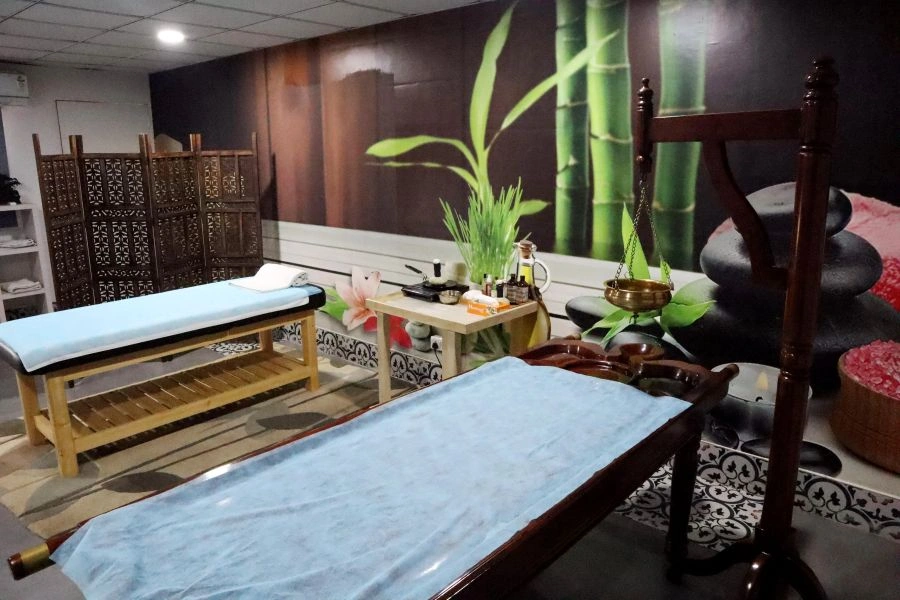
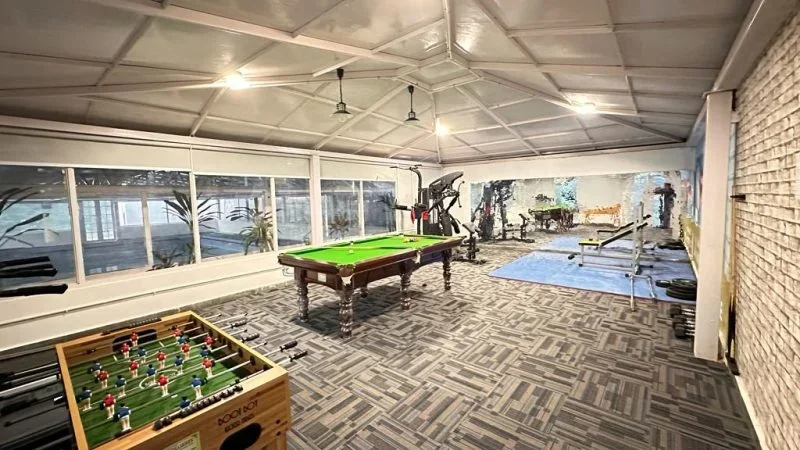
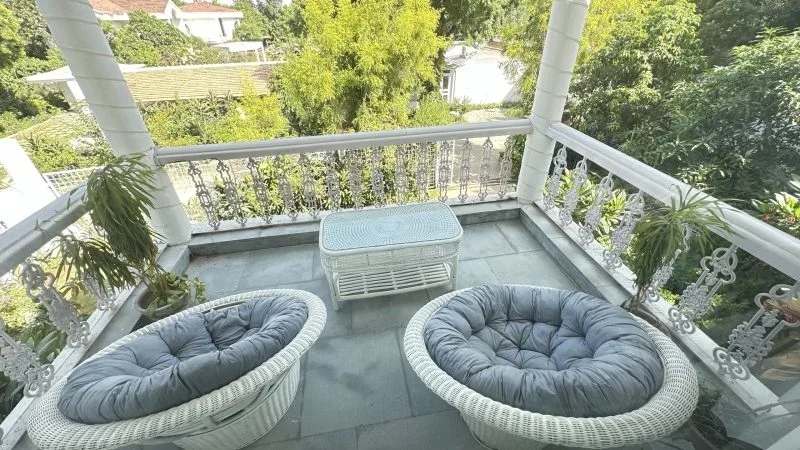
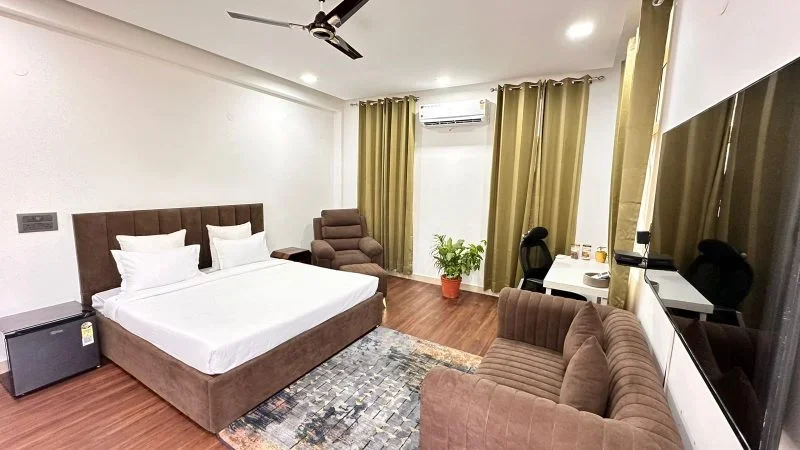
Take a Look Inside Our Delhi Facility




Conditions We Treat















.png)






WHAT OUR PATIENTS SAY
Frequently Asked Questions
Long standing dependence generally responds better to a phased approach that begins with supervised detox and moves into extended therapy. Our assessment identifies the right sequence based on the individual's specific history rather than a standard timeline.
Denial is extremely common in the early stages, and direct confrontation rarely works well. Our team can guide you through a structured, non-confrontational approach to raise the subject and encourage voluntary treatment.
Confidentiality is maintained as standard practice, and no information is shared with employers, extended family or anyone else without the patient's explicit consent, except in genuine emergencies.
This is exactly why detox is conducted under continuous medical supervision. Trained staff can respond immediately with appropriate intervention if withdrawal symptoms become severe.
Relapse can be part of the recovery journey for some patients and does not indicate treatment failure. Our aftercare program is specifically designed to reduce this risk through ongoing support and relapse prevention planning.
Yes, our rehab centre serves patients across Delhi NCR with both formats available, so treatment can be matched to the severity of dependence and the patient's daily responsibilities.
Costs depend on whether treatment is residential or out-patient, the expected duration, and the substance involved. We recommend an initial consultation to receive an accurate estimate specific to your situation.
A psychiatrist can manage medication and diagnose co-occurring conditions, but a rehab centre combines that medical care with structured therapy, daily support and a controlled environment, which is often necessary for moderate to severe dependence.
This depends on the severity of dependence. Milder cases may be managed through out-patient care alongside work, while more serious dependence usually requires a period of residential treatment first.
In most cases, an initial assessment can be scheduled within a day or two of first contact, with admission proceeding quickly once a treatment plan has been agreed upon.
How to reach Athena - Delhi
Athena Luxus, Delhi
Athena Luxus, South Delhi, New Delhi
Landmark: South Delhi
- South Delhi
- Central Delhi
- Gurugram border areas
- Noida border areas
Contact us: +919289086193
Speak to Our Care Team - 24×7 Confidential Support
Confidential help is just a call or chat away. Our team is ready to listen - without judgment, without pressure.