
What are the most common side effects of anti-anxiety drugs? Drowsiness, dizziness, nausea, dry mouth, and sleep disturbances are among the most frequently reported side effects. Are these side effects permanent? In most cases, they are temporary and improve as the body adjusts to the medication. When should you be concerned? If you experience severe mood changes, difficulty breathing, suicidal thoughts, or symptoms that interfere with daily life, seek medical advice promptly.
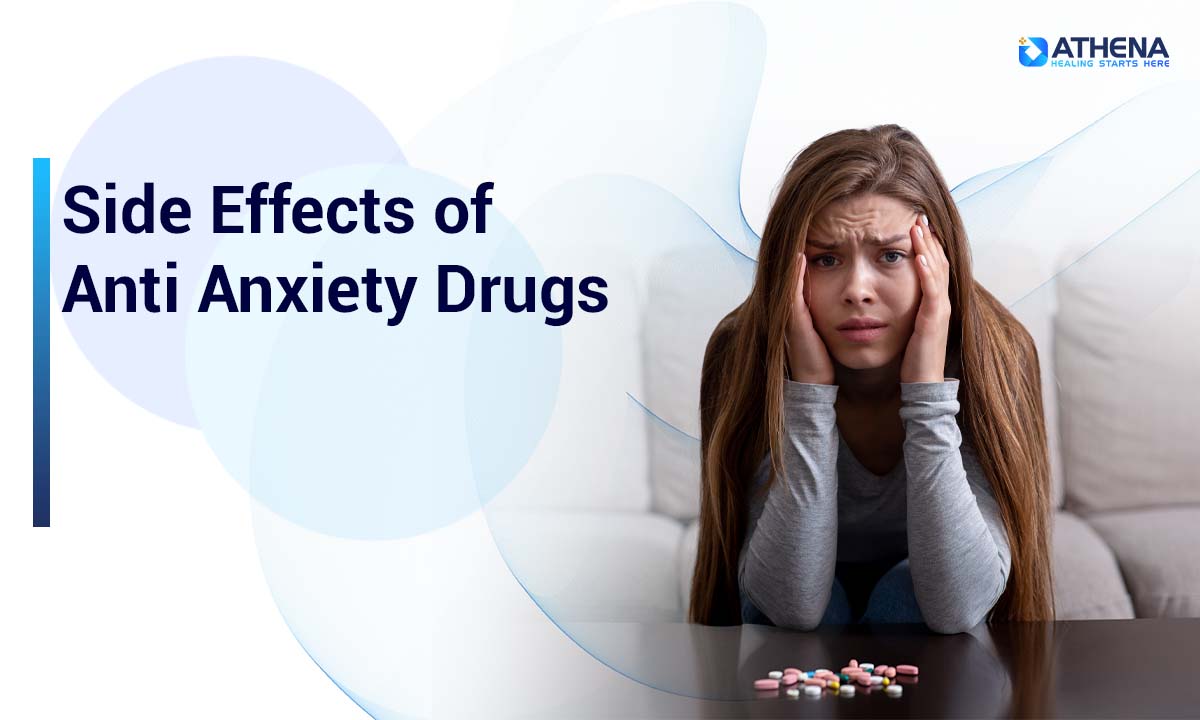
The side effects of anti anxiety drugs vary depending on the medication type, dosage, and individual response. Common effects include fatigue, nausea, dizziness, and sleep disturbances. At Athena Behavioral Health, we believe informed treatment decisions lead to better outcomes. Understanding potential side effects can help patients work closely with mental health professionals and manage treatment safely and effectively.
Understanding Anti Anxiety Drugs
Anxiety disorders affect millions of people worldwide and can interfere with work, relationships, sleep, and overall well-being. Navigating these ongoing emotional challenges often starts with recognizing how pervasive
These medications are often used alongside psychotherapy, lifestyle modifications, and stress-management strategies to provide comprehensive care.
What Are Anti Anxiety Drugs?
Anti-anxiety drugs are medications designed to reduce symptoms associated with anxiety disorders. They work by influencing neurotransmitters in the brain that regulate mood, stress responses, and emotional balance.
Healthcare professionals may prescribe these medications for conditions such as:
Generalized Anxiety Disorder (GAD)
Panic Disorder
Social Anxiety Disorder
Obsessive-Compulsive Disorder (OCD)
Anxiety associated with depression
Understanding the specific
Types of Anti Anxiety Medications
Several classes of medications are used to manage anxiety:
Benzodiazepines: These medications provide rapid relief from anxiety symptoms and are often prescribed for short-term use.
Selective Serotonin Reuptake Inhibitors (SSRIs): SSRIs are commonly prescribed for long-term anxiety management and work by increasing serotonin levels in the brain.
Serotonin-Norepinephrine Reuptake Inhibitors (SNRIs): SNRIs influence both serotonin and norepinephrine and are frequently used to treat anxiety and depression.
Buspirone: Buspirone is a non-benzodiazepine medication often prescribed for generalized anxiety disorder.
Beta Blockers: These medications primarily help control physical symptoms such as rapid heartbeat, trembling, and sweating.
Common Side Effects of Anti Anxiety Drugs
Understanding the side effects of anti anxiety drugs can help patients recognize what is normal during treatment and when additional medical guidance may be needed.
Drowsiness and Fatigue
One of the most frequently reported side effects is excessive tiredness or sleepiness. Some medications can slow activity within the central nervous system, resulting in reduced alertness.
Patients may experience:
Daytime sleepiness
Reduced energy levels
Difficulty staying focused
Slower reaction times
This effect is often more noticeable when beginning treatment or after dosage adjustments.
Dizziness and Lightheadedness
Some individuals experience dizziness, particularly when standing up quickly or during the initial stages of treatment.
Symptoms may include:
Feeling unsteady
Mild balance issues
Temporary lightheadedness
Reduced coordination
Staying hydrated and changing positions slowly may help reduce discomfort.
Nausea and Digestive Issues
Digestive symptoms are common during the first few weeks of treatment.
Potential symptoms include:
Nausea
Upset stomach
Loss of appetite
Mild abdominal discomfort
Occasional diarrhea
For many patients, these symptoms improve as the body adapts to the medication.
Dry Mouth and Excessive Sweating
Certain medications can affect the body's natural moisture production and temperature regulation.
Common complaints include:
Persistent dry mouth
Increased thirst
Night sweats
Excessive perspiration
Simple lifestyle adjustments can often help manage these symptoms.
Sleep Disturbances
Although many anti-anxiety medications promote relaxation, some individuals experience temporary sleep-related side effects.
These may include:
Difficulty falling asleep
Frequent waking during the night
Vivid dreams
Changes in sleep quality
Sleep patterns often stabilize after several weeks of consistent treatment.
Difficulty Concentrating
Mental fog or reduced concentration can occur when starting certain medications.
Patients may notice:
Short-term memory difficulties
Reduced attention span
Slower processing speed
Challenges with multitasking
These symptoms are usually temporary and tend to improve over time.
Sexual Side Effects
Some medications used for anxiety management can affect sexual health.
Possible effects include:
Reduced libido
Delayed orgasm
Erectile difficulties
Decreased sexual satisfaction
Patients experiencing persistent symptoms should discuss alternative treatment options with their healthcare provider.
Weight Changes
Weight gain or weight loss may occur in some individuals depending on the medication prescribed.
Contributing factors may include:
Appetite changes
Metabolic shifts
Reduced physical activity
Improved or disrupted eating habits
Maintaining a balanced diet and regular exercise routine can help support healthy weight management.
Serious Side Effects of Anti Anxiety Drugs
While most people tolerate treatment well, understanding the more serious side effects of anti anxiety drugs is important.
Seek Immediate Medical Attention If You Experience:
Severe allergic reactions
Difficulty breathing
Significant confusion
Extreme mood changes
Suicidal thoughts
Severe agitation
Loss of consciousness
Although uncommon, these reactions require urgent medical evaluation.
Risk of Dependence and Withdrawal
Certain medications, particularly benzodiazepines, may carry a risk of dependence when used for extended periods.
Signs of dependence may include:
Needing higher doses for the same effect
Difficulty stopping medication
Cravings for medication
Withdrawal symptoms between doses
Common withdrawal symptoms include:
Increased anxiety
Insomnia
Irritability
Tremors
Sweating
For this reason, medication changes should always be supervised by a qualified psychiatrist.
Side Effects by Medication Type
Benzodiazepines
The side effects of anti anxiety drugs within this category often include:
Drowsiness
Memory impairment
Reduced coordination
Dependence risk
SSRIs
Common SSRI-related side effects include:
Nausea
Headaches
Sleep disturbances
Sexual dysfunction
SNRIs
Potential SNRI side effects include:
Increased sweating
Elevated blood pressure
Dizziness
Appetite changes
Buspirone
Buspirone may cause:
Mild dizziness
Headaches
Nervousness
Fatigue
Beta Blockers
These medications can lead to:
Slower heart rate
Fatigue
Cold hands and feet
Low blood pressure
Factors That Influence Side Effects
Not everyone experiences the side effects of anti anxiety drugs in the same way.
Several factors influence how a person responds, including:
Age
Genetics
Overall health
Existing medical conditions
Medication dosage
Treatment duration
Alcohol or substance use
Interactions with other medications
A personalized treatment plan helps minimize risks and improve outcomes.
How to Manage Side Effects of Anti Anxiety Drugs
Patients can often reduce the impact of the side effects of anti anxiety drugs through practical strategies.
Helpful Tips
Take medications exactly as prescribed.
Attend regular follow-up appointments.
Avoid alcohol unless approved by your doctor.
Maintain a healthy sleep routine.
Stay physically active.
Keep a symptom journal.
Report new or worsening symptoms promptly.
Open communication with your healthcare team is essential for successful treatment.
Can Anti Anxiety Drugs Be Used Long-Term?
Some medications are intended for short-term symptom relief, while others may be safely used for months or years under professional supervision.
The decision depends on:
Severity of symptoms
Treatment goals
Response to therapy
Side effect profile
Risk-benefit assessment
Regular reviews ensure treatment remains safe and effective over time.
Alternative Approaches to Anxiety Management
Medication is often just one component of treatment.
Additional strategies may include:
Cognitive Behavioral Therapy (CBT)
Individual counseling
Mindfulness practices
Stress-management techniques
Physical exercise
Healthy nutrition
Structured mental health programs
Combining therapies often produces the most sustainable results.
When Should You Seek Professional Help?
Professional support may be necessary if:
Anxiety affects daily functioning.
Panic attacks become frequent.
Sleep problems persist.
Symptoms worsen despite treatment.
Substance use develops as a coping mechanism. When substance use complicates mental health care, seeking integrated
anxiety and addiction treatment Medication side effects become difficult to manage.
Early intervention can improve both short-term and long-term mental health outcomes.
Take the First Step Toward Better Mental Health with Athena Behavioral Health
Experiencing anxiety can feel overwhelming, but effective treatment and compassionate support are available. Athena Behavioral Health provides evidence-based mental health care, psychiatric services, therapy programs, and personalized treatment plans designed to address the root causes of anxiety and emotional distress.
Whether you are concerned about the side effects of anti anxiety drugs, exploring treatment options, or seeking professional mental health support, Athena's experienced team is committed to helping you build resilience, regain confidence, and improve your quality of life.
Contact Athena Behavioral Health today to schedule a confidential consultation and begin your journey toward lasting mental wellness.