
Alcohol dependence rarely begins with a crisis. It starts with a habit: a drink to relax, then one to sleep, then one to get through a hard day. Over time the body expects alcohol, and stopping feels impossible even when the person wants to. If you are struggling to cut down, or you are worried about someone close to you, this is not a flaw in your character. Alcohol dependence syndrome is a recognised medical condition, and it responds well to proper treatment. Below you will find the symptoms, causes, ICD-10 diagnosis, withdrawal timeline, treatment options, and ways to stay sober in the long run.
What Is Alcohol Dependence Syndrome?
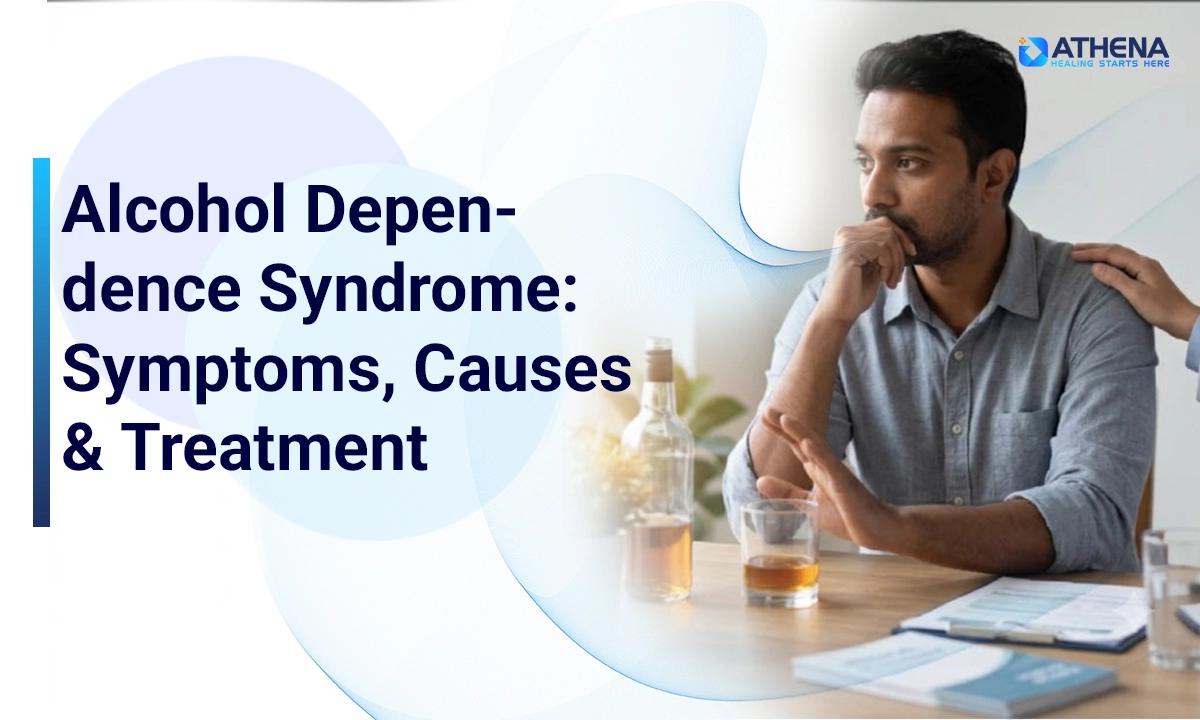
Alcohol Dependence Syndrome (ADS) can be defined as a situation whereby the brain and the body become accustomed to alcohol for the sake of feeling fine. The affected individual has an overwhelming desire for alcohol, finds it extremely difficult to resist once he or she starts drinking and continues drinking despite negative impact on his or her physical well-being, job and social relationships.
It is important to differentiate alcohol dependence from alcohol use disorder. These two conditions share some similarities but they are not identical. The following table illustrates the difference between them.
Terms | What it means |
Alcohol use disorder | A broad label for harmful drinking, from mild to severe |
Alcohol dependence | The severe end, marked by craving, tolerance, and withdrawal |
How Common Is Alcohol Dependence?
More people live with this condition than most of us assume. According to the World Health Organization, alcohol contributes to millions of deaths worldwide every year. WHO reports recently have stated this figure to be 2.6 million deaths annually, which is 4.7% of total deaths, with nearly 209 million individuals with alcohol dependence.
India reflects the same trend. The National Mental Health Survey conducted between 2015-16 reported cases of alcohol abuse among 9% of men in India. This indicates that for every one person getting treated, there are many others suffering alone.
Alcohol Dependence Syndrome Symptoms and Warning Signs
The symptoms show up in three areas: how a person behaves, how the body reacts, and how they feel. The earlier you spot them, the easier treatment tends to be. Here is what to look for in each area.
Behavioural signs
Drinking more, or for longer, than planned.
Failed attempts to cut down or quit.
Hiding bottles or lying about the amount.
Missing work, family events, or hobbies.
Continuing to drink after health warnings.
Physical signs
Needing more alcohol for the same effect.
Shaky hands, sweating, or nausea when alcohol wears off.
Blackouts, poor sleep, and frequent stomach trouble.
Emotional signs
Strong cravings that are hard to ignore.
Irritability or anxiety between drinks.
Guilt that leads to more drinking.
If you or someone near you is vomiting repeatedly, breathing slowly, or cannot be woken after a heavy session, that may be alcohol poisoning, and it needs emergency help.
Alcohol Dependence Syndrome ICD-10 Code and Diagnosis
The World Health Organization applies the ICD-10 classification system whereby alcohol dependence syndrome is classified using F10.2 code. This classification is made if there are three out of the six criteria that are fulfilled within a year. The criteria together with examples are listed below.
ICD-10 features | What it looks like in daily life |
Strong craving | A constant pull toward alcohol |
Loss of control | Cannot predict or limit how much you drink |
Withdrawal | Tremors, sweating, or anxiety when you stop |
Tolerance | Needing more for the same effect |
Neglect of other interests | Dropping activities that once mattered |
Drinking despite harm | Continuing after clear damage to health or relationships |
In addition to this, physicians can conduct screening questionnaires including AUDIT and CAGE, while blood tests like GGT, AST, and ALT can be taken for assessing the status of the liver.
Alcohol Dependence Syndrome Causes: Why Does It Happen?
There isn’t just one answer to why that happens. It’s mainly due to multiple risk factors combining over time. The major ones are shown below.
Genetics: Genetics play a role in 50% of the risk factor, which means having someone close in the family suffering from alcohol addiction increases the likelihood.
Early onset of drinking: Drinking at the age of adolescence when the brain is still developing contributes to dependence.
Psychology: Having anxiety, depression and traumatic experiences leads to drinking to relieve stress.
Environment: Availability, peer pressure and drinking culture in social circles are factors increasing risk.
Stress is worth mentioning separately since it’s a silent motivator of much drinking. Learning ways to reduce stress and anxiety can weaken one of the strongest triggers.
Alcohol Withdrawal Symptoms and Timeline
Withdrawal is the main reason heavy drinkers should not stop suddenly on their own. Symptoms begin within hours of the last drink and can become serious quickly. The table gives the usual timeline.
Time after last drink | Common symptoms |
6–12 hours | Tremors, sweating, nausea, anxiety |
12–24 hours | Hallucinations in some people |
24–48 hours | Seizures |
48–72 hours | Delirium tremens: confusion, fever, racing heartbeat |
Delirium tremens can be life-threatening without treatment. If you want to know what each stage feels like and when to call a doctor, this overview of alcohol addiction withdrawal symptoms covers it in detail.
How Alcohol Dependence Affects the Body
Alcohol touches nearly every organ, and the damage builds slowly, often without obvious warning. Many people only find out when a routine test shows a problem. The table lists the most common effects.
Body area | Possible damage |
Liver | Fatty liver, hepatitis, cirrhosis |
Brain | Memory loss, Wernicke-Korsakoff syndrome |
Heart | High blood pressure, irregular heartbeat |
Digestive system | Gastritis, pancreatitis, ulcers |
Mental health | Depression, anxiety, higher risk of self-harm |
Cancer risk | Mouth, throat, liver, and breast cancers |
Treatment of Alcohol Dependence Syndrome
The treatment works most effectively in combination with healthcare, medications, and psychological therapy. Most patients go through three phases, but everyone progresses through the process at their own rate. This is what happens during each phase.
Stage 1: Supervised detoxification: Physicians assist the body with the elimination of alcohol under safe conditions. It is standard practice to prescribe benzodiazepines for preventing seizures and thiamine (vitamin B1) for the brain protection. The detoxification process typically takes 5-10 days.
Stage 2: Medications for preventing relapse: The medication will be chosen by the physician depending on your health condition and liver function. The following table shows the differences between the three drugs.
Medicines | How it helps |
Naltrexone | Reduces cravings and the pleasure from drinking |
Acamprosate | Helps steady brain chemistry after quitting |
Disulfiram | Causes an unpleasant reaction if you drink |
Stage 3: Therapy and support: Cognitive behavioural therapy teaches you to spot triggers and change habits. Family sessions help rebuild trust, and peer groups keep you accountable. People who have relapsed before, or who live in an unsafe setting, often do better in a residential programme such as alcohol addiction treatment, where care is continuous.
Management of Alcohol Dependence: How to Stay Sober
The completion of the detox process marks the start of the recovery process, but not the end. It may be that relapse occurs; in that case, it means there is something about the plan which should be modified and not discarded completely. There are certain practices which should be implemented in our lives on a daily basis. These are some of them.
List out all the triggers you have, whether they be people, places or moods.
Maintain a consistent routine regarding sleeping, eating and exercise.
Schedule regular follow-up sessions with your doctor/counsellor.
Inform someone about how he can help you.
Eliminate all traces of alcohol in your house.
Calming practices also help with cravings and sleep. Simple breathing exercises, meditation, and gentle movement, like those in a mindfulness and yoga routine, give your mind something to do other than reach for a drink.
Alcohol Addiction Treatment at Athena Behavioral Health
Athena Behavioral Health is a behavioural health centre that provides alcohol addiction treatment. We focus on one thing: helping people step away from alcohol safely and stay away from it. Every plan starts with a conversation about your drinking history, your health, and what is going on at home, because no two cases are alike. Here is what our alcohol programme includes.
Medical examination before starting any form of treatment.
Detoxification under constant supervision.
Individual counseling and family counseling sessions.
Relapse prevention planning documentation.
Aftercare program post discharge from the program.
All information remains completely confidential and you will never be judged for seeking help.