
Best Nasha Mukti Kendra in Guwahati
Athena Behavioral Health operates a nasha mukti kendra in Guwahati where medical care, psychological support and family involvement work together, so patients are treated as people working through a health condition, not as a moral failure to be corrected.
- Medical Detoxification
- Detailed Psychiatric Evaluation
- Psychotherapy & Counselling
- Mindfulness, Yoga & Wellness
- Relapse Prevention and Aftercare
- In-Patient and Out-Patient Programs
Book Your Appointment

Understanding Addiction in Guwahati's Changing Landscape
Athena Behavioral Health has observed how Guwahati's position as the gateway to the Northeast has brought rapid development, but also new pressures that families are still learning to name. Easier access to substances through regional trade routes, rising unemployment among educated youth, exam and career pressure among students, and a cultural reluctance to discuss addiction openly all combine to let dependence grow quietly for years before anyone intervenes.
A real nasha mukti kendra in Guwahati addresses more than the substance itself. At Athena, we look at the full picture, including physical health, mental health history, family dynamics and social environment, before deciding on a treatment path.
“While waiting for help to arrive, stay with the person, keep them safe from injury, turn them onto their side if they are vomiting or having a seizure, and do not leave them alone. Do not give them food, water, or any medication, and do not assume the symptoms will pass on their own. This situation cannot wait for a scheduled appointment or a phone call during office hours.”
Meet Our Psychiatrists for Nasha Mukti Kendra in Guwahati

Prof. (Dr.) Nimesh G. Desai

Dr. Sushil Agarwalla

Dr. Sahil Agarwal
What to Look for in a Rehab Centre: A Checklist for Families
Medically supervised detox
A doctor should be available at all times during withdrawal, not just untrained staff.
Qualified clinical team
The centre should have licensed psychiatrists and clinical psychologists on staff, not only counsellors or wellness coaches.
Clear treatment methodology
The centre should be able to explain what happens after detox and how relapse prevention actually works.
Strict confidentiality
Patient information should never be shared with anyone without the patient's consent.
Realistic program length
The duration should be decided after evaluating the patient, not promised as a fixed timeline in advance.
Safe and respectful environment
The facility should maintain basic hygiene and safety standards and a non-punitive atmosphere, which you can check during your visit.
Clinical Excellence
What Makes Athena's Approach to De-Addiction Different
Families in Guwahati choosing Athena as their nasha mukti kendra get a full clinical team, not a single point of contact. Psychiatrists handle detox and medication safely, while psychologists and counsellors, with the patient's consent, help uncover the thoughts, stress and habits that keep substance use going.

If you are looking for the best nasha mukti kendra in Guwahati, be cautious of any centre that quotes a fixed number of days before meeting the patient. The right duration depends on what substance is involved, how long it has been used and the person's physical and mental health. That is why every admission at Athena begins with a detailed assessment before any plan is made.
Therapy is built into each treatment plan at our nasha mukti kendra in Guwahati, not offered as an optional extra. Through regular psychotherapy and counselling sessions, patients learn to recognise triggers, manage cravings and handle difficult emotions without falling back on substances.
Long-standing dependence, whether on alcohol, prescription drugs or other substances, rarely resolves with detox alone. It needs a phased approach with regular clinical reviews as the patient progresses. Our team stays involved at every stage, in a calm and non-judgmental setting where patients feel respected throughout recovery.
Modern Lifetime Challenges
How Addiction Usually Develops, According to What Families Tell Us
Substance dependence rarely starts as a dramatic event. It typically begins as occasional use tied to stress relief, social pressure or curiosity, and gradually shifts into a pattern the person struggles to control even when they want to stop.
By the time families reach out, there has often been a long internal period of denial, hidden use, and repeated private attempts to quit that did not hold. Recognising this pattern helps families approach the situation with less blame and more urgency about getting proper treatment.
Alcohol Use Disorder: A pattern where drinking has moved from social settings to a daily requirement, often with visible physical dependence such as tremors or withdrawal symptoms when stopping suddenly. Here, our alcohol addiction treatment becomes essential, since stopping abruptly without medical supervision can carry real health risks.
Opioid and prescription drug dependence: This begins in a place that feels completely legitimate: a doctor's prescription following surgery, an injury, chronic pain, or anxiety. Medications like painkillers, sedatives, or sleep aids are meant to offer short term relief, but for many people, the body and mind can develop a dependence on them faster than expected, especially when use continues beyond the originally prescribed duration or dosage.

Comparing Detox, Rehab and Counselling: What Each Actually Treats
One of the most common points of confusion for families is understanding what detox, rehabilitation and counselling each actually do, since these terms are often used interchangeably but serve different purposes in recovery.
| Treatment Stage | What It Addresses | Duration Typically Involved |
| Medical Detox | Physical withdrawal symptoms and safe removal of the substance from the body | A few days to about two weeks, depending on the substance |
| Residential Rehabilitation | Underlying psychological patterns, triggers and relapse risk through structured daily therapy | Several weeks to a few months, based on severity |
| Out-Patient Counselling | Ongoing emotional support and skill building while the person resumes daily life | Weekly or biweekly sessions over several months |
| Aftercare and Relapse Prevention | Long term maintenance of sobriety through support groups and periodic check-ins | Ongoing, often for a year or more after formal treatment ends |
Signs a Loved One May Need Professional Help
Substance use rarely announces itself. It usually shows up as small changes in behaviour, health and routine that are easy to explain away at first. If you notice several of the signs below over a period of time, it may be time to seek a professional assessment.
Unexplained physical changes
Noticeable shifts in sleep, appetite or physical appearance, such as sudden weight loss or persistent fatigue, that have no obvious medical cause. These are often among the first visible signs that something is wrong.
Growing secrecy
Increasing vagueness or lies about where money is going, who they are meeting or where they have been. Hiding daily activities is often a way of concealing substance use.
Defensiveness or anger
Sudden irritation or hostility whenever substance use is mentioned, even casually. This reaction often points to guilt, denial or fear of being confronted.
Repeated failed attempts to quit
A pattern of promising to cut down or stop, followed by relapse within days or weeks. It suggests the person may be struggling to control their use without professional support.
Withdrawal from life
Pulling away from important relationships, responsibilities or interests they once cared about. Work, family and hobbies slowly take a back seat to substance use.
Physical withdrawal symptoms
Shaking, sweating or nausea when the substance is unavailable. These signal physical dependence and can be dangerous, so they should be managed under medical supervision.
Not Sure If This Is You? Talk to a Specialist
Confidential Support, available 24×7
ABOUT THERAPY AT ATHENA
What Treatment at Athena Actually Involves
Comprehensive Intake Assessment
A detailed review of substance history, physical health, psychiatric background and family context, used to design a treatment plan specific to the individual rather than a generic program.
Medically Supervised Detox
Withdrawal managed under continuous observation by trained medical staff, with medication support where needed to reduce discomfort and risk.
Individual and Group Psychotherapy
Structured sessions using evidence based methods such as CBT to work through the psychological drivers of addiction and build sustainable coping strategies.
Mind-Body Recovery Support
Yoga, guided breathing and mindfulness practices integrated into the daily schedule to help manage cravings and reduce stress during early recovery.
Why Choose Us
Why Guwahati Families Choose Athena for De-Addiction Care

At Athena Behavioral Health, every clinician on a patient's care team, from the treating psychiatrist to the therapist and counsellor, works from the same shared treatment record. This means decisions are made collaboratively rather than in isolation, with each specialist fully aware of the patient's progress, challenges, and evolving needs. No one has to navigate their recovery through disconnected opinions; instead, the entire team moves forward together with one consistent plan.
We also recognize that stigma around addiction remains a real and often painful barrier to seeking help in this region, stopping many individuals and families from reaching out until a crisis forces their hand. That is why our team is trained to keep every interaction completely free of moral judgment, focusing entirely on clinical recovery rather than assumptions about character or willpower. Patients are met with respect, not criticism, and families are supported with understanding, not blame.
Because every situation is different, patients can choose between residential and out-patient formats depending on the severity of their condition and their day-to-day responsibilities. For those moments that cannot wait, our helpline remains staffed around the clock, ensuring that families always have somewhere to turn when they need immediate guidance or support during a crisis.
How We Help
Getting Started: What Happens After You Call
Starting treatment can feel overwhelming, especially when a family is already under stress. Our admission process is designed to be simple, confidential and clear at every step, so you always know what happens next.
Reach out by phone, WhatsApp or our website form, and a trained team member will discuss the situation confidentially and answer immediate questions.
A psychiatric and physical evaluation determines the substance involved, severity of dependence, and whether detox is medically necessary.
Based on the assessment, our team proposes a specific plan, whether that is detox followed by residential care, or a structured out-patient program.
Treatment progresses in phases, with regular reviews to adjust the plan as the patient moves through recovery.
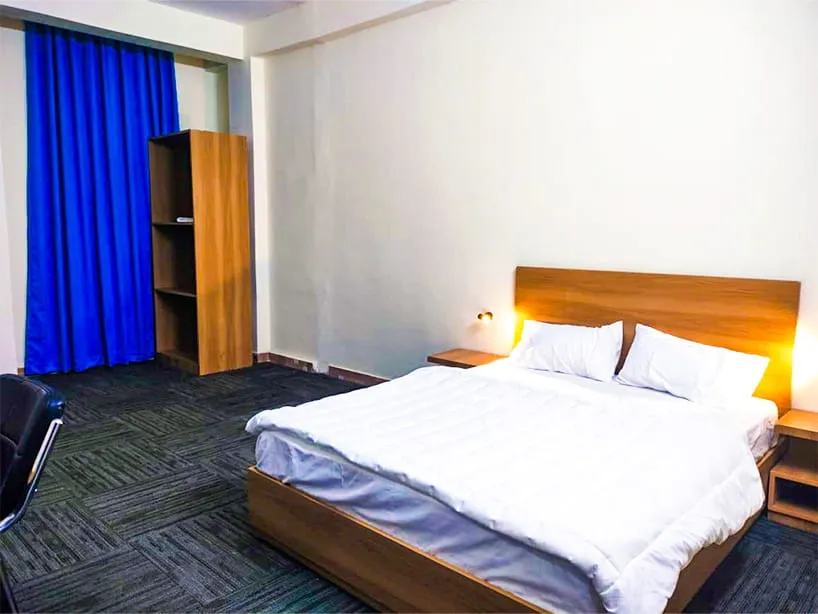
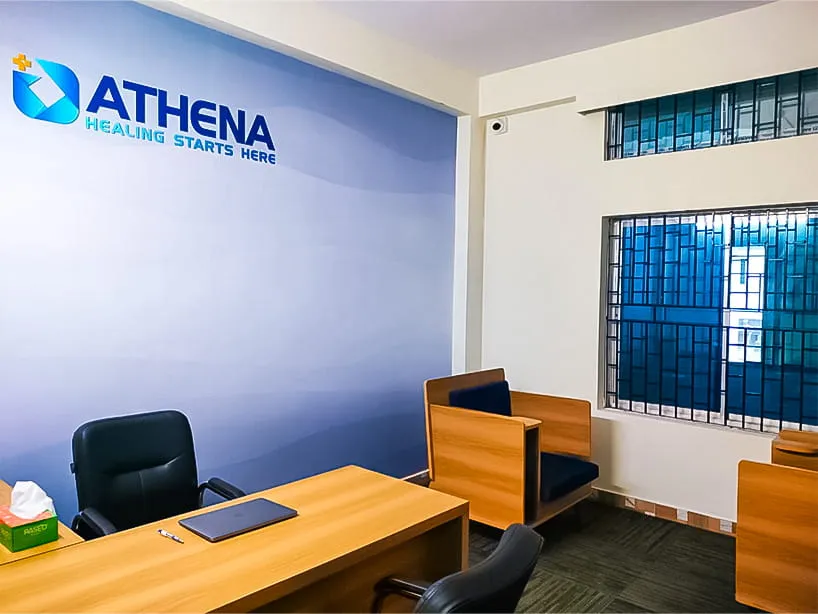
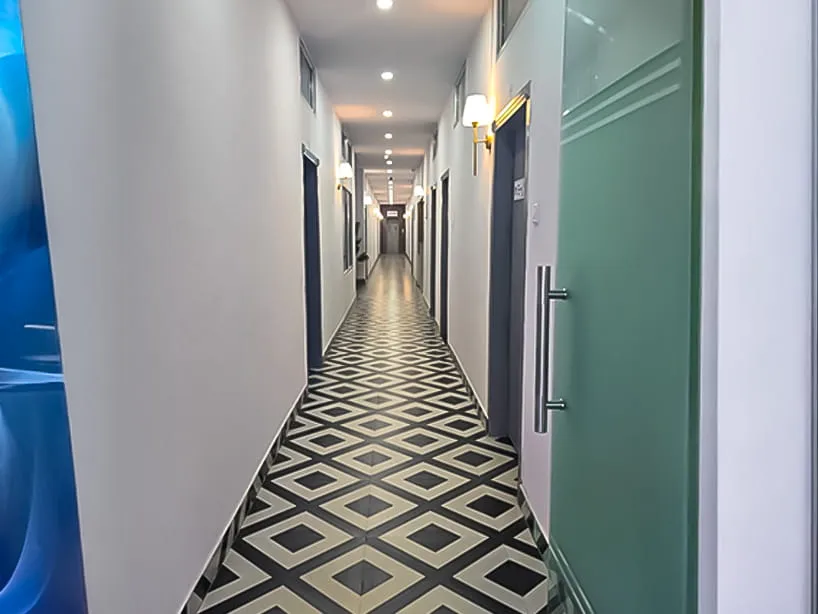
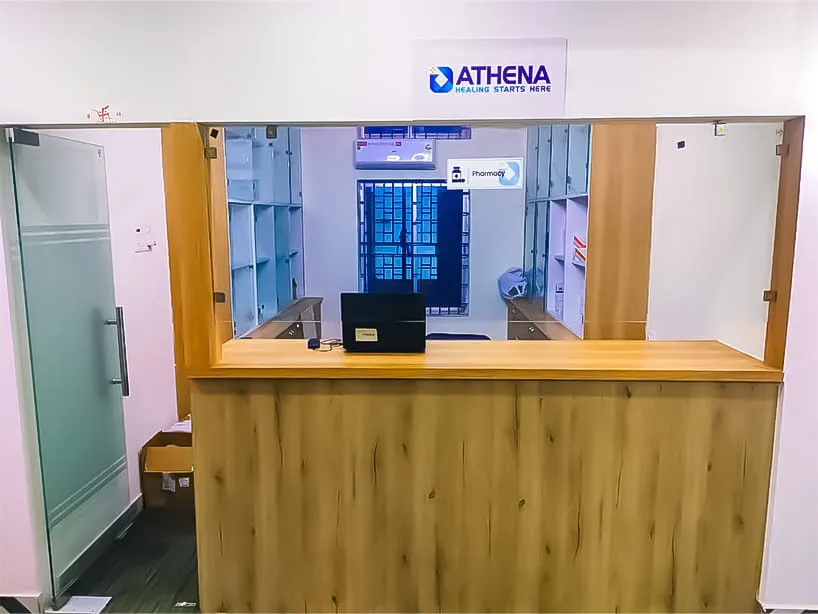
Take a Look Inside Our Guwahati Facility




Conditions We Treat














.png)






WHAT OUR PATIENTS SAY
Frequently Asked Questions
Costs vary significantly based on whether treatment is in-patient or out-patient, the length of stay, and the substance involved. We recommend an initial consultation to get an accurate estimate based on your specific situation rather than a generic figure.
De-addiction typically refers to the medical process of detox and withdrawal management, while rehabilitation includes the broader psychological and behavioural treatment needed to prevent relapse and support long term recovery.
This depends on the substance, duration of use and whether there are physical withdrawal symptoms when use stops. A clinical assessment is the most reliable way to determine this, rather than guessing based on behaviour alone.
Relapse is a common part of the recovery process for many people and does not mean treatment has failed. Our aftercare program includes relapse prevention planning specifically to reduce this risk and provide support if it happens.
Visitation policies are designed to support recovery without disrupting the treatment process, and our team can explain the specific guidelines based on the stage of treatment the patient is in.
For milder cases with strong family support, out-patient counselling alone may be sufficient. For moderate to severe dependence, especially with physical withdrawal risk, structured rehabilitation generally leads to better and more lasting outcomes.
Some level of patient cooperation generally improves outcomes significantly, and our team can guide families on how to encourage a reluctant loved one toward voluntary treatment through a structured conversation.
Coverage varies by insurer and policy. We recommend checking directly with your insurance provider, and our team can assist with documentation needed for claims where applicable.
This ranges from a few weeks for milder cases to several months for more severe or long standing dependence, with ongoing aftercare often continuing for a year or longer after the primary treatment phase.
In most cases, we can arrange an initial assessment within a day or two of first contact, and treatment can begin promptly once the assessment is complete and a plan is agreed upon.
How to reach Athena - Guwahati
Athena Behavioral Health, Guwahati
Athena Behavioral Health, Guwahati, Assam
Landmark: Guwahati
- Guwahati City
- Northeast India region
Contact us: +919289086193
Speak to Our Care Team - 24×7 Confidential Support
Confidential help is just a call or chat away. Our team is ready to listen - without judgment, without pressure.