 WhatsApp
 Emergency
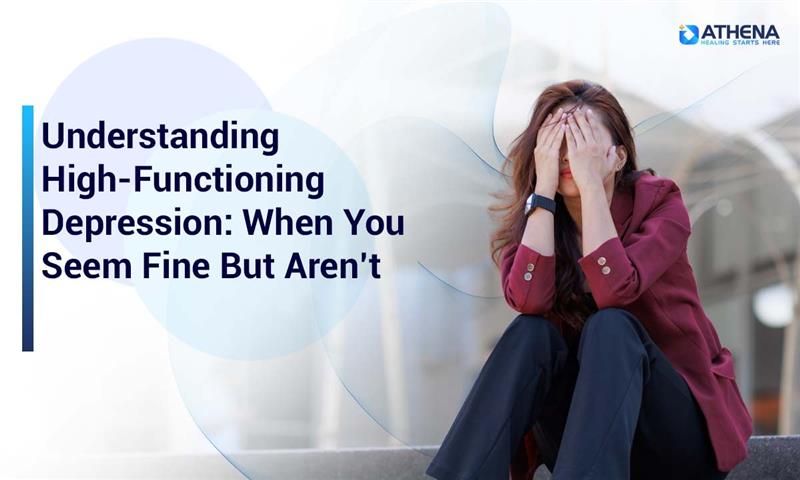
Understanding High-Functioning Depression: When You Seem Fine but Aren’t
 Share
Share
Depression is one of the most commonly observed mental health disorders impacting adolescents, young adults, middle-aged adults and geriatrics. Professionals diagnose depression based on diverse symptom presentations such as persistently low mood, minimised or negligible interest in daily activities, drastic changes in weight, sleep disturbance and suicidal ideation. While these symptoms can be assessed by trained professionals, individuals with high-functioning depression may have these signs hidden under distraction and a lack of emotional expression altogether.
High functioning depression is gaining popularity in today’s world to describe individuals experiencing symptoms of depression and able to maintain functionality in daily life.
What is High-Functioning Depression?
As a part of research related to mental wellness, high functioning depression has become an important concept describing individuals meeting the criteria of depression while functioning in their daily lives. It is a serious concern that can influence the quality of living. Timely identification and treatment of these symptoms can be helpful for improving the wellness of individuals. It is proposed that individuals experiencing high functioning depression manage the symptoms of concern through distractions such as engaging in caregiving activities, lifestyle choices, etc. While some choices may seem to be helpful, at times they may often lead to burnout or emotional dysregulation.
Hidden Signs and Symptoms of High-Functioning Depression
Hidden signs of depression can be identified with the help of psychological assessments and trained professionals’ support. Some signs that you may want to be mindful of in yourself and others to timely seek assistance include:
1. Ticking all the boxes of daily routine yet feeling low constantly
2. Feeling tired despite adequate rest and sleep
3. Unable to experience joy and happiness to the level once felt
4. Difficulty concentrating, problem-solving and decision-making
5. Feeling empty whilst fulfilling daily responsibilities
High-Functioning Depression vs Major Depression
The distinction between high-functioning depression vs major depression has been made below:
| HIGH FUNCTIONING DEPRESSION | MAJOR DEPRESSION |
| Individuals may engage in work, school, or other aspects of life | Individuals may not be able to engage in work, school and other areas of life |
| The symptoms of high functioning depression can be hidden behind distraction strategies | The symptoms of depression can be easily noticeable |
| Individuals with high functioning depression can meet the goals while feeling empty on the inside | Individuals with major depression may find it difficult to engage in activities so as to achieve goals |
| A person with high-functioning depression may conceal emotional difficulties through productivity | For a person with major depression, the emotional distress may be observed by others easily |
| One may have some motivation to participate in a daily routine | Loss of energy and motivation is observed in major depression |
A psychologist is a trained professional who conducts detailed assessments and supports the clients in reaching a proper understanding of their concerns. If you sense some signs of major depression or high functioning depression, then it is strongly advised to speak with a mental health professional for proper understanding.
Read Also: Key Difference Between Major vs Persistent Depressive Disorder
Causes and Risk Factors
Some of the possible causes and risk factors of high functioning depression include:
1. Genetics
2. Chronic stress
3. Personality traits
4. Traumatic experiences
5. Imbalance in brain chemicals
6. Lack of social support
7. Prolonged burnout
8. Societal pressure
9. Life transitions
One can be mindful of the above factors to be able to timely identify hidden signs of depression and work on intervention planning if needed.
Treatment for High-Functioning Depression
Treatment for high functioning depression is offered by expert mental health professionals. The treatment process can include:
1. Individual Therapy Sessions
Therapy can offer a space to express and verbalise one’s concerns. It can be a place where the therapist and client work together collaboratively using different approaches such as Cognitive Behaviour Therapy, Acceptance & Commitment Therapy and Expressive Arts Therapy to achieve therapeutic goals.
2. Pharmacotherapy
Psychiatrists can prescribe medications as per the diagnosis. Medications can help with emotion regulation, sleep issues, and improve overall functioning.
3. Group Therapy Sessions
Individuals with high functioning depression may find it helpful to share their journeys with others to build a sense of togetherness. Group therapy sessions are facilitated by a trained mental health professional who ensures a respectful group environment.
Treatment for high functioning depression can be personalised as per the client’s goals, needs and severity of concern.
Coping and Self-Care Strategies
Some healthy coping strategies to reduce the intensity of symptoms of high functioning depression include:
1. Reducing self-criticism
2. Prioritising quality sleep
3. Healthy social support
4. Setting realistic goals
5. Reflective writing
6. Engaging in hobbies
7. Healthy boundary setting
8. Healthy, nutritious diet
9. Exercising, yoga and meditation
10. Balanced daily routine
Conclusion
The right mental health care begins with a correct diagnosis and evaluation of the disorder. You can get a proper assessment from our expert mental health professionals at Athena Behavioral Health. We use updated psychological assessments and offer a detailed diagnostic report along with possible intervention strategies to help you in your recovery journey. If you have questions such as ‘what is high functioning depression, how to find treatment for high functioning depression,’ and other related topics, then feel free to reach out to our team.
You can contact us at +91 9289086193 and learn more about our services and how we can support your mental wellness journey!