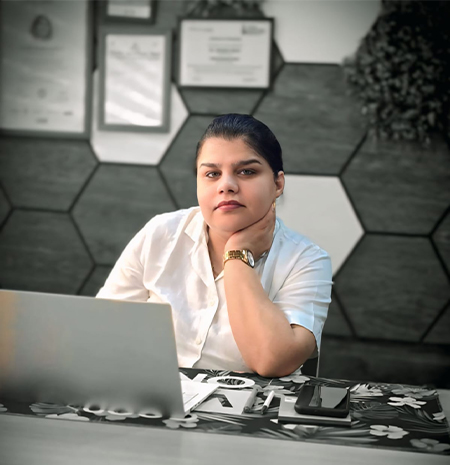
Dr. Shradha Malik is a psychiatrist, mental health leader and behavioral healthcare entrepreneur with two decades of experience in healthcare. She is the Founder & CEO of Athena Behavioral Health, an organisation focused on mental health, addiction treatment, rehabilitation and integrated behavioral healthcare.
Her journey in mental healthcare is deeply personal. Experiences with mental illness and addiction within her own family shaped her understanding of how profoundly these conditions affect not only individuals, but entire families. That experience became one of the foundations of her professional commitment to mental healthcare.
Over two decades, Dr. Malik's work has evolved from clinical psychiatry to building healthcare institutions. Her focus today extends beyond individual treatment to the larger question of how India can create ethical, evidence-based and integrated behavioral healthcare systems that people can trust.
Through Athena Behavioral Health, she is working to build institutions where clinical care, rehabilitation, family involvement and continuity of care come together to support long-term recovery.
For Dr. Malik, mental healthcare has never been simply a professional choice.
Her personal experiences with mental illness and addiction gave her an early understanding of the complexity that families face when someone they love needs psychiatric or rehabilitation care.
As she progressed through her career in psychiatry, that understanding deepened through clinical experience.
She saw that treating the illness was only one part of the journey:
And healthcare institutions needed to be designed around people rather than processes alone.
These experiences eventually led Dr. Malik from being a clinician treating individual patients to becoming an entrepreneur building institutions for behavioral healthcare.
In 2021, Dr. Shradha Malik founded Athena Behavioral Health with a vision of creating a more integrated approach to mental healthcare.
One question from families stayed with her when Athena began its journey:
“Humare loved one ko koi mistreat toh nahi karega yahan?”
Will anyone mistreat my loved one here?
For Dr. Malik, that question represented something much bigger.
Families were not simply looking for a hospital or treatment programme. They were looking for safety, dignity, trust and hope.
That understanding became an important part of how Athena was built.
The organisation's approach brings together psychiatric care, psychological support, rehabilitation, family participation and continued support through the recovery journey.
For Dr. Malik, building Athena is therefore not only about growing a healthcare organisation. It is about creating institutions that families can trust when they are at their most vulnerable.
Dr. Malik believes that the future of mental healthcare requires a shift from treating episodes of illness to supporting the complete recovery journey. Her work focuses on several interconnected areas:
Promoting evidence-based psychiatric and psychological care for people experiencing mental health challenges.
Supporting individuals and families through structured treatment and long-term recovery.
Bringing different aspects of mental healthcare together rather than treating them as isolated services.
Recognising the role families play in understanding, supporting and sustaining recovery.
Creating healthcare systems, teams and processes that can consistently deliver safe and dignified care.
One of the defining transitions in Dr. Malik's career has been moving from clinical practice to institution building.
Clinical practice taught her to understand the individual.
Building Athena taught her to think about the system around that individual.
It meant thinking about people, clinical teams, leadership, processes, infrastructure, patient experience, families and what happens after treatment.
This has shaped her broader philosophy of healthcare leadership:
Good healthcare is not only about having good clinicians. It is about building institutions that enable good care to happen consistently.
Her work increasingly focuses on this intersection of clinical expertise, healthcare entrepreneurship and institution building.
India's mental healthcare conversation has changed significantly, with greater awareness of mental health, addiction and the importance of seeking professional help.
For Dr. Malik, however, awareness is only the beginning. The next challenge is building the behavioral healthcare infrastructure needed to translate awareness into accessible, ethical and high-quality care.
She believes India's future mental healthcare ecosystem will require:
Her vision is to contribute to this evolution by building institutions and participating in the larger conversation around the future of mental healthcare in India.
Dr. Shradha Malik has been recognised for her contribution to healthcare and women's leadership and has also participated in platforms focused on mental health, healthcare and social impact.
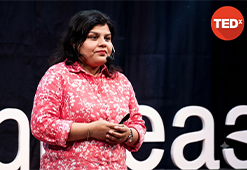
In this TEDx address, Dr. Shradha Malik discusses how societal perceptions shape mental health outcomes in India, highlighting evidence-based care, specialized women-focused recovery at Athena OKAS, and transformative rehabilitation standards.
Conferred in recognition of exemplary women's leadership in healthcare, pioneering India's first women-only psychiatric recovery facility (Athena OKAS), and establishing transformative, ethical, and patient-centric behavioral health institutions nationwide.
Zee News published an in-depth feature highlighting Dr. Shradha Malik's perspective on dismantling stigma.
An exclusive interview highlighting Dr. Malik's deeply personal journey into psychiatry and leadership.
Televised expert discussions addressing substance abuse, clinical interventions, and proactive care.
For Dr. Shradha Malik, success in healthcare cannot be measured only by the number of centres, patients or services an organisation delivers.
The more important question is whether people feel safer, more respected and better supported because the institution exists. That belief continues to influence how she approaches clinical care, leadership and entrepreneurship.
After two decades in healthcare, her focus has expanded from asking:
“How do we treat this patient?”
to asking:
“How do we build systems that help more people recover and help families trust the process?”
That is the larger purpose behind her work as a psychiatrist, entrepreneur and institution builder.