 WhatsApp
 Emergency
Lessons from Caregivers: Supporting a Loved One with Mental Illness
 Share
Share
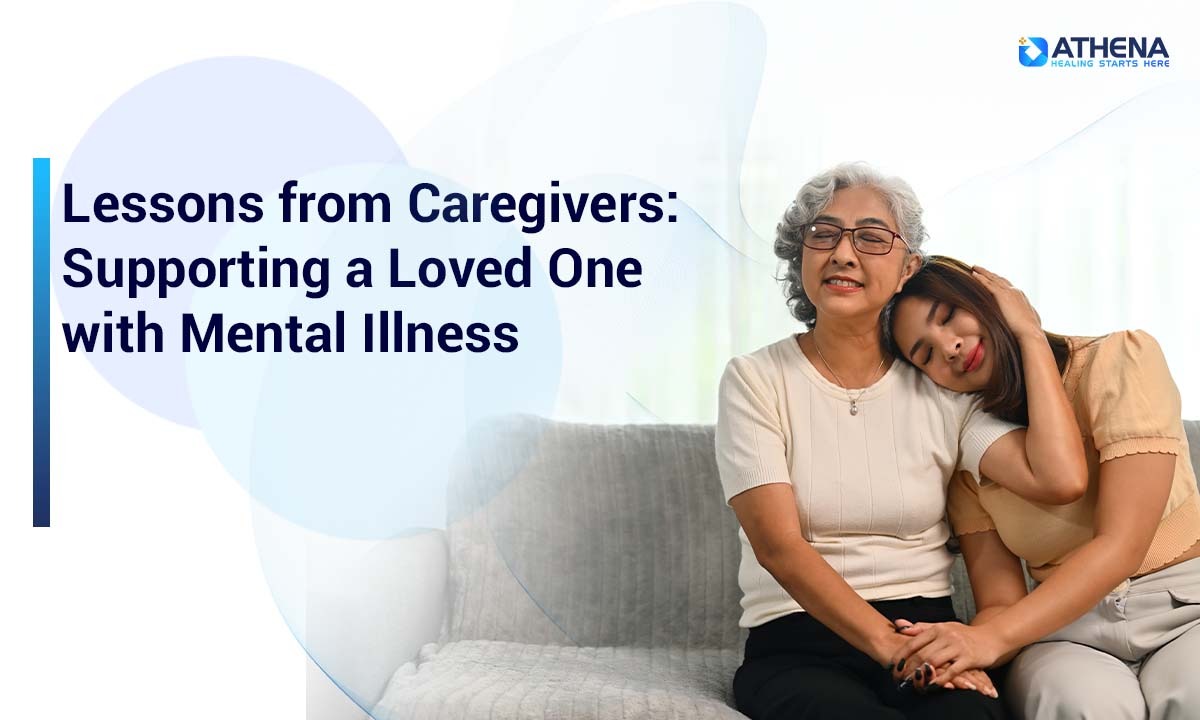
Supporting a loved one with mental illness can be both deeply meaningful and emotionally demanding. Across the world, family caregivers play an important role in helping individuals manage conditions such as depression, anxiety disorders, bipolar disorder, or schizophrenia. Their support often includes emotional reassurance, managing appointments, encouraging treatment, and maintaining a stable home environment.
However, caregiving also brings challenges. Many caregivers experience emotional fatigue, stress, and caregiver burnout when they attempt to handle responsibilities alone. Learning from experienced caregivers can help families provide better support while protecting their own well-being.
This guide highlights practical lessons from caregivers who have navigated the journey through caregiving for mental illness, offering insight into maintaining balance, resilience, and compassion.
Understanding the Role of Family Caregivers
Before exploring lessons, it is important to understand the role of family caregivers in mental health recovery.
Caregivers often become the first line of support for individuals experiencing mental health conditions. They may help identify symptoms, encourage treatment, monitor medication, and offer emotional stability during periods of distress.
However, caregiving is not simply about managing illness. It is about helping a loved one maintain dignity, independence, and hope during recovery.
Lesson 1: Education Makes Caregiving More Effective
Most caregivers are often overwhelmed at first since they do not know anything about the particular mental illness of their loved one.
This knowledge of symptoms, triggers, treatment and recovery patterns assists the caregivers to respond in a calmer and effective way. Education also helps in limiting fears and misunderstandings of mental illness, thus enabling the family to treat loved ones with understanding and not frustration.
The practical methods to acquire knowledge are:
- Participating in mental health awareness seminars.
- Seeking the services of mental health professionals.
- Evidence-based mental health reading.
- Attending caregiver education courses.
Caregivers can be encouraged to be good allies in the recovery effort when they are informed.
Lesson 2: Communication creates Trust and Stability.
There must be open and caring communication during caregiving for mental illness.
Mentally challenged people can feel ashamed, fearful or isolated. They can be encouraged to talk in a friendly atmosphere to ensure they do not feel judged.
The methods of good communication are:
- Listening without speaking.
- Avoiding criticism or blame
- Authenticating the emotions despite disagreement.
- Promoting open treatment and recovery conversations
According to caregivers, even the simplest things, such as I am here to help you, You are not alone in this, etc., can help to build emotional bonds considerably.
Lesson 3: Becoming Nurses Aware of Caregiver Burnout.
Caregivers neglect their emotional needs as they seek to provide care to a mentally ill person. In the long run, this may cause caregiver burnout, a disorder that is characterized by physical, emotional, and mental exhaustion.
The typical symptoms of caregiver burnout are:
- Chronic fatigue or insomnia.
- Irritability and frustration.
- Feelings of helplessness
- Quitting social activities.
- Declining physical health
It is important to identify such red flags at an early stage. An overburdened caregiver will not be able to serve his or her loved one.
Lesson 4: Caregiver Support Systems Are Essential
No caregiver is to cope with such a journey alone. Effective systems of caregiver support can be very beneficial for managing stress and maintaining emotional balance.
The support may be provided by a number of sources:
- Psychologists and psychiatrists.
- Family Caregivers support groups.
- Friends and extended family members.
- Mental health services -communities.
Discussing the experience with other family caregivers is likely to inspire them that the difficulties encountered are not unique and can be overcome.
Lesson 5: Establishing healthy boundaries safeguards both.
Among the most important lessons caregivers learn is the value of boundaries.
Being a caregiver does not imply the loss of personal well-being. Healthy boundaries help prevent caregivers from becoming emotionally drained and promote the individual receiving care's independence.
Healthy boundaries may be:
- Having personal time to rest and have hobbies.
- Sharing the load by delegating caregiving responsibilities.
- Promoting professional treatment as opposed to doing things on your own.
- Knowing that external assistance is required.
These limits ensure that care is long-term.
Lesson 6: Promoting Professional Mental Health Care.
Professional care cannot be substituted for family support.
Psychiatrists, psychologists, and therapists offer specialized care that includes psychotherapy, medication management as well as planned recovery programs. The caregivers can assist with adhering to the treatment and achieving home-based therapy objectives.
Professional care also reduces the burden on caregivers, allowing them to focus on emotional support rather than medical management.
Lesson 7: Hope and Recovery Are Possible
Among the strongest lessons of a person who has gone through caregiving, it is possible to recover mentally.
The development can be slow and failures can take place, but with the correct care, humane encouragement and strength, people can have meaningful lives.
When caregivers concentrate on hope, patience and long-term recovery, positive change in the caregivers is likely to be realized with time.
Conclusion
Being a caregiver of a mentally ill person is one thing that may be overwhelming, but you need not go through it alone. Athena Behavioral Health provides specialized mental health care, therapy programs, and guidance to support individuals and their families in addressing caregiver burnout.
When you require mental health care that is caring and compassionate, call Athena Behavioral Health. Our multifaceted professional team is present to assist you in creating a roadway to recovery, strength, and long-term health.