
Mental health recovery is not a journey anyone should walk alone. Although clinical care, therapy, and medication are key to the treatment of mental health issues, there exists a potent force that enhances the outcomes of mental health treatment and that is peer support in mental health.
At its core, peer support connects individuals who share lived experiences of mental health challenges. When someone says, “I understand because I’ve been there,” healing feels possible. In today’s evolving community mental health systems, peer support is no longer optional; it is essential.
What Is Peer Support in Mental Health?
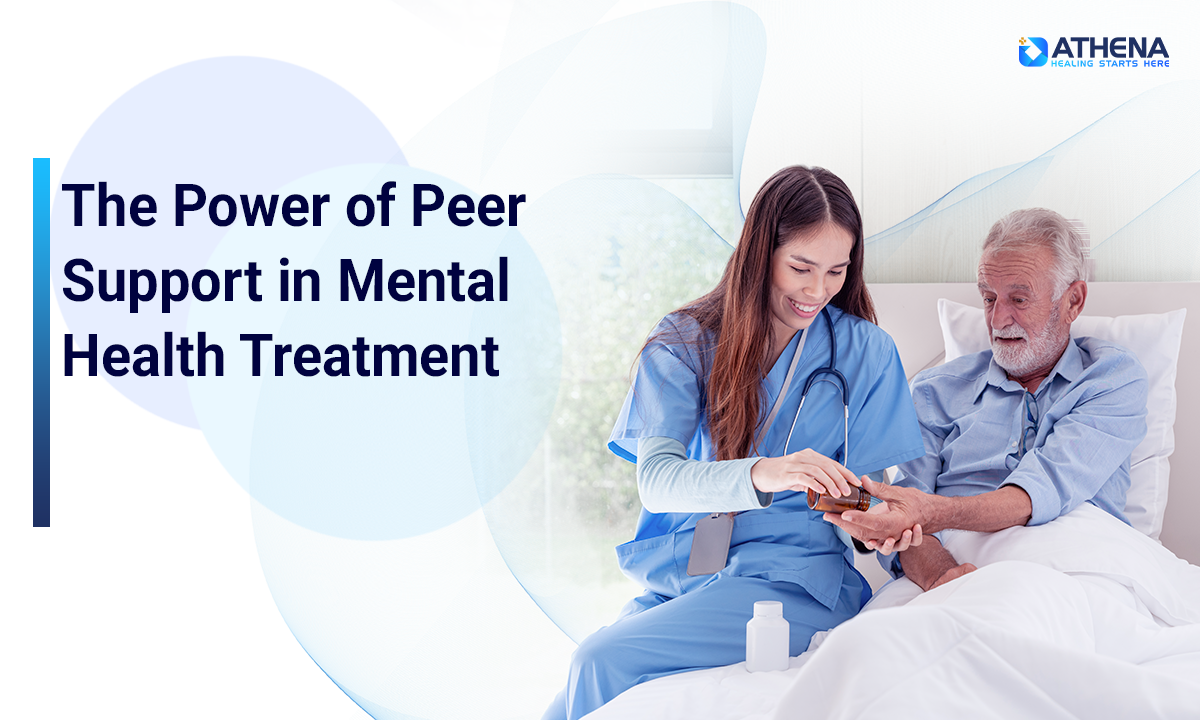
Peer support in mental health is ardently planned or informal assistance that is given to people who have gone through mental illnesses and have since recovered. These professional mental health services are provided through the empathy, guidance, and hope of these trained peer supporters.
Peer support is not based on clinical hierarchy as is the case in traditional therapy. It provides a secure environment in which people do not feel judged, but rather feel understood.
Why Peer Support Strengthens Mental Health Treatment
Clinical care that is coupled with emotional and social support is the most effective in modern mental health treatment. Peer support empowers treatment in a number of effective ways:
1. Reduces Isolation
Loneliness is usually produced by mental ailments. Sharing with someone who really gets you minimizes feelings of shame and fosters a sense of belonging.
2. Builds Hope Through Real-Life Recovery
When one observes a mental health recovery success, it becomes possible to make progress. It substitutes fear with the possibility.
3. Improves Treatment Engagement
Patients under peer support programs will be more dedicated to treatment programs and drugs and regulated care strategies.
4. Promotes Transparent Communication
Individuals tend to be more open to peers regarding failures, emotions or fears of relapse.
5. Strengthens Community Mental Health Systems
Peer networks go beyond hospital and clinic support, making community mental health more accessible and human-focused.
The Benefits of Peer Support
The benefits of peer support extend beyond emotional comfort:
- Higher confidence and self-esteem.
- Better coping strategies
- Minimized hospital readmissions.
- Better communication ability.
- Better society ties.
- More responsibility in recovery.
Research consistently indicates that peer intervention works better in enhancing the long-term care outcomes within mental health services, particularly in depression, anxiety, trauma disorders, and substance use disorders.
How Peer Support Programs Work
Peer support programs are well-directed and organized. They may include:
- Group support sessions
- One-on-one peer mentorship
- Recovery workshops
- Circles of community-based support.
- Aftercare groups and relapse prevention groups.
Peers are usually trained and collaborate with psychologists, psychiatrists and therapists in order to achieve safety and adherence to treatment objectives.
Peer Support and Long-term Mental Health Recovery.
Connection is the key to sustainable mental health recovery. Clinical treatment levels the symptoms- but peer support restores confidence, identity, and purpose.
The process of recovery is not solely the downplaying of symptoms. It is about regaining life, re-establishing relationships and regaining self-worth. Peer groups provide daily motivation that strengthens professional care.
As treatment is terminated, peer support persists.
The Role of Community Mental Health in India.
Due to increasing awareness of community mental health in India. Combinations of professional mental health services and peer-based systems of recovery are more effective than individual approaches to treatment.
The support systems should not be confined to the clinic. The family, peer groups and recovering communities are all important to alleviate the level of stigma and achieve results.
Professional Care Still Matters
Peer support is very strong, but it cannot substitute professional mental health treatment. Structured clinical attention is necessary in severe depression, anxiety disorders, traumas, bipolar disorder, and addiction.
The most successful model of the recovery involves a combination of:
- Psychiatric evaluation
- Evidence-based therapy
- Medication (where applicable) Management.
- Structured peer support
- Family involvement
- Aftercare planning
Such a combined strategy is a major contributor to recovery success.
How Athena Behavioral Health Supports Recovery
At Athena Behavioral Health, we believe healing occurs through connection, not clinical excellence. Our programs combine professional mental health care with organized peer support to create a comprehensive recovery experience.
We focus on:
- Individualized plans for mental health treatment.
- Conducive, healthy conditions.
- Recovery models based on the community.
- Relapse prevention on a long-term basis.
- Continuous peer engagement
If you or someone you know is not coping well, early intervention can make a life-changing difference.
Athena Behavioral Health is a compassionate, evidence-based mental health treatment facility and a peer-support-based recovery program. Call at + 91-9289086193 today for a conversation is a starting point for the recovery.