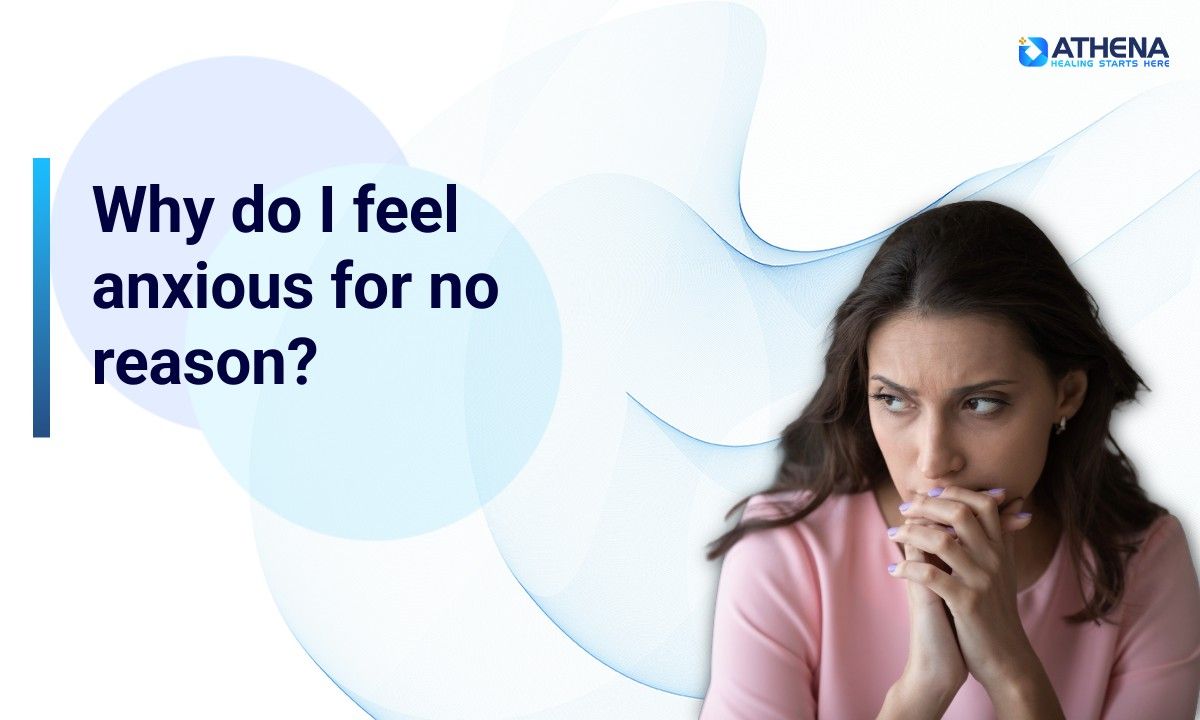

Why do I feel anxious for no reason? One possible explanation is free-floating anxiety, where the brain's stress response stays active even when there is no obvious threat. This can happen due to chronic stress, past experiences, changes in brain chemistry, or underlying anxiety disorders. Understanding the cause and seeking professional support can help you manage symptoms and improve your emotional well-being.
Have you ever wondered, "why do I feel anxious for no reason" even when life seems to be going well? This experience is more common than many people realize. Persistent anxiety without an obvious trigger may be linked to free-floating anxiety or another underlying mental health concern. At Athena Behavioral Health, experienced mental health professionals help individuals understand their symptoms through evidence-based assessment and personalized care. Understanding what's happening is the first step toward feeling better.
What Does It Mean to Feel Anxious for No Reason?
Anxiety is a natural response to situations that feel uncertain, stressful, or threatening. Usually, there is a clear reason behind these feelings, such as an upcoming exam, financial pressure, or an important life event. But sometimes, anxiety appears unexpectedly, leaving you asking yourself why you feel this way despite everything seeming normal.
Feeling anxious without an obvious cause does not necessarily mean there isn't a reason. Instead, the trigger may be hidden beneath the surface, involving your brain, nervous system, emotions, or accumulated stress.
Is Anxiety Always Triggered by Something?
Not always.
Your brain constantly scans your environment for potential danger. This process happens automatically and often outside your conscious awareness. Sometimes, your brain may interpret subtle internal or external signals as threats, even when no immediate danger exists.
For example:
Ongoing workplace stress
Emotional exhaustion
Poor sleep
Relationship challenges
Previous traumatic experiences
Hormonal changes
These factors may build gradually until your nervous system becomes more sensitive, making anxiety appear to come out of nowhere.
Understanding Free-Floating Anxiety
Free-floating anxiety describes persistent feelings of worry, nervousness, or unease that are not connected to one specific situation or event. Instead of focusing on a single concern, the anxiety seems to move from one thought to another—or sometimes has no clear focus at all.
Although free-floating anxiety is often associated with Generalized Anxiety Disorder (GAD), not everyone experiencing unexplained anxiety has GAD. Only a qualified mental health professional can determine whether your symptoms meet the criteria for a specific diagnosis.
The Science Behind Free-Floating Anxiety
To understand why do I feel anxious for no reason, it helps to understand how the brain processes fear and stress.
Your brain is designed to keep you safe. Sometimes, however, that protective system becomes overactive.
How Your Brain's Alarm System Works
Several parts of the brain work together to detect danger and respond appropriately.
The Amygdala
The amygdala acts like your brain's alarm system. It quickly detects potential threats and signals your body to prepare for action.
When the amygdala becomes overly sensitive, it may activate even when there is no actual danger, creating feelings of anxiety.
The Prefrontal Cortex
This area helps you think logically, evaluate situations, and regulate emotions.
During periods of chronic stress or heightened anxiety, the prefrontal cortex may struggle to calm the amygdala effectively, making anxious thoughts feel more convincing.
The Fight, Flight, or Freeze Response
When your brain senses danger, your body automatically prepares to respond by:
Increasing your heart rate
Speeding up breathing
Tightening muscles
Heightening alertness
This response is useful during genuine emergencies but can feel overwhelming when activated unnecessarily.
The Role of Stress Hormones
Your body releases hormones such as cortisol and adrenaline whenever it believes you're facing a threat.
These hormones help you react quickly by increasing energy and alertness.
However, if your body remains in a prolonged state of stress, these hormones may stay elevated longer than necessary, leading to ongoing symptoms such as:
Restlessness
Racing thoughts
Muscle tension
Difficulty sleeping
Feeling constantly on edge
Over time, this heightened state can make anxiety seem ever-present, even when there is no clear reason.
Why Anxiety Can Happen Without an Obvious Trigger
Many factors can contribute to anxiety that appears without warning.
Chronic Stress
Long-term stress doesn't always disappear when a stressful situation ends.
Instead, the nervous system may remain activated for weeks or months, causing anxiety to surface unexpectedly.
Emotional Overload
Sometimes people suppress emotions while focusing on work, family responsibilities, or daily obligations.
When emotional pressure builds over time, the body may eventually respond through anxiety.
Subconscious Processing
Your brain processes far more information than you're consciously aware of.
Past experiences, unresolved emotions, or subtle environmental cues may activate anxiety without you recognizing the original trigger.
Learned Responses
If you've experienced prolonged stress or trauma in the past, your brain may become conditioned to remain highly alert.
Even ordinary situations may feel threatening because your nervous system has learned to expect danger.
Why Do I Feel Anxious for No Reason? Common Causes
While every person's experience is unique, several factors commonly contribute to unexplained anxiety.
Chronic Stress
Work responsibilities, caregiving, financial concerns, academic pressure, and major life changes can gradually overload your nervous system.
Even after stressful situations improve, your body may continue reacting as though danger still exists.
Past Trauma or Difficult Life Experiences
Traumatic experiences can affect the brain long after the event has passed.
The nervous system sometimes remains highly alert, increasing sensitivity to future stress and contributing to free-floating anxiety.
Generalized Anxiety Disorder (GAD)
One possible answer to why do I feel anxious for no reason is Generalized Anxiety Disorder.
People living with GAD often experience persistent worry across multiple areas of life, even when there is little objective reason for concern.
Symptoms typically continue for several months and may interfere with work, relationships, and daily functioning.
Burnout and Emotional Exhaustion
Burnout doesn't only affect productivity.
It can also influence emotional regulation, making anxiety more frequent and harder to control.
Many people experiencing burnout describe feeling overwhelmed even during periods of rest.
Co-Occurring Conditions
Unaddressed emotional distress can sometimes overlap with other mental health challenges, such as depression. In complex cases, individuals may experience dual challenges like anxiety and substance use or depression alongside substance use, both of which require comprehensive care.
Sleep Deprivation
Sleep allows the brain to process emotions and recover from daily stress.
Poor sleep can make the brain's emotional centers more reactive while reducing the ability to regulate anxious thoughts effectively.
Hormonal Changes
Hormonal fluctuations during puberty, pregnancy, postpartum recovery, perimenopause, or certain medical conditions may influence anxiety levels.
Because hormones affect brain chemistry, emotional changes sometimes occur without an obvious external cause.
Caffeine and Other Stimulants
High caffeine intake may increase symptoms such as:
Rapid heartbeat
Restlessness
Shakiness
Nervousness
For individuals who are already prone to anxiety, stimulants can sometimes intensify symptoms.
Certain Medical Conditions
In some cases, physical health conditions may contribute to anxiety-like symptoms.
Examples include:
Thyroid disorders
Certain heart conditions
Vitamin deficiencies
Blood sugar fluctuations
Some medications
This is one reason why professional assessment is important if anxiety is persistent or worsening.
Signs and Symptoms of Free-Floating Anxiety
Free-floating anxiety can affect both the mind and body. Symptoms vary from person to person and may range from mild to severe.
Common emotional symptoms include:
Persistent worry
Feeling restless
Difficulty relaxing
Racing thoughts
Irritability
Feeling overwhelmed
Constant sense that something might go wrong
Physical symptoms may include:
Rapid heartbeat (leading many to wonder if anxiety can trigger severe heart-like symptoms)
Muscle tension
Headaches
Fatigue
Digestive discomfort
Sweating
Trembling
Shortness of breath or feeling lightheaded
Trouble falling asleep or staying asleep
Some people also experience difficulty concentrating because their mind constantly shifts from one worry to another.
If these symptoms continue for several weeks, interfere with daily life, or become increasingly distressing, speaking with a qualified mental health professional can help identify the underlying cause and guide appropriate treatment.
Is It Normal to Feel Anxious Even When Everything Is Going Well?
Yes, it can be.
Many people assume anxiety only appears during stressful situations. In reality, your brain and nervous system may remain in a heightened state of alertness even when life seems calm.
This is why someone may ask, "why do I feel anxious for no reason" despite having a stable job, supportive relationships, or no obvious problems.
Anxiety is not always a reflection of your current circumstances. It may be influenced by how your brain processes stress, previous experiences, and emotional patterns.
Feeling this way does not mean you're weak or "imagining it." However, if these feelings persist or become overwhelming, it's important to seek professional guidance from a qualified psychiatrist in noida or other mental health professional.
How to Manage Anxiety When You Don't Know the Cause
While understanding the cause is important, there are practical strategies to overcome persistent anxiety and fear in your daily life:
Practice Grounding Techniques
Grounding helps shift your attention away from anxious thoughts and back to the present moment.
Simple techniques include:
Naming five things you can see.
Focusing on sounds around you.
Holding a comforting object.
Paying attention to your breathing.
These exercises can help interrupt the cycle of anxious thinking.
Focus on Slow, Controlled Breathing
Anxiety often causes quick, shallow breathing.
Slowing your breath sends calming signals to your nervous system.
Try inhaling through your nose for four seconds, holding for four seconds, and exhaling slowly for six seconds.
Practising this for a few minutes may help reduce physical tension.
Prioritize Quality Sleep
Poor sleep and anxiety often reinforce each other.
To improve sleep quality:
Maintain a regular bedtime.
Limit screen time before bed.
Reduce caffeine in the evening.
Create a quiet, relaxing sleep environment.
Better sleep can improve emotional regulation and resilience.
Stay Physically Active
Regular physical activity supports both physical and mental health.
Exercise encourages the release of endorphins, which naturally improve mood and reduce stress.
You don't have to follow an intense workout routine.
Walking, cycling, yoga, or stretching can all be beneficial.
Limit Caffeine and Other Stimulants
Coffee, energy drinks, and some soft drinks may increase feelings of nervousness.
If you've been wondering why do I feel anxious for no reason, consider whether stimulants could be contributing to your symptoms.
Reducing caffeine gradually may help some people feel calmer.
Write Down Your Thoughts
Journaling can help you identify patterns that may not be immediately obvious.
You may notice links between anxiety and:
Lack of sleep
Busy schedules
Certain situations
Physical health changes
Emotional triggers
Keeping a journal can also make it easier to discuss your experiences with a mental health professional.
Stay Connected
Talking to someone you trust can reduce feelings of isolation.
Support may come from:
Family
Friends
Support groups
Mental health professionals
Sharing your experiences doesn't make the anxiety disappear overnight, but it can make it feel more manageable.
Practice Mindfulness
Mindfulness encourages you to observe thoughts without immediately reacting to them.
Simple practices include:
Guided meditation
Body scan exercises
Gentle yoga
Mindful walking
With regular practice, mindfulness may help reduce the intensity of anxious thoughts.
When Should You Seek Professional Help?
Occasional anxiety is a normal part of life.
However, persistent anxiety deserves professional attention.
Consider seeking support if your anxiety:
Continues for several weeks or months.
Affects work or academic performance.
Impacts your relationships.
Makes it difficult to complete daily activities.
Causes frequent panic attacks.
Leads you to avoid situations you once enjoyed.
Feels overwhelming despite trying self-care strategies.
Early intervention often leads to better long-term outcomes.
How Mental Health Professionals Assess Free-Floating Anxiety
There isn't a single test that diagnoses free-floating anxiety.
Instead, mental health professionals use a comprehensive evaluation.
This may include:
Discussing your symptoms.
Reviewing your medical history.
Understanding recent life events.
Exploring family history.
Assessing emotional well-being.
Ruling out physical health conditions that may contribute to anxiety.
This process helps create a treatment plan tailored to your individual needs.
For individuals who need an in-person assessment, accessing a psychiatrist in Gurgaon or another appropriate mental health professional can be one option depending on location and clinical needs.
Evidence-Based Treatment Options
Treatment depends on the severity of symptoms and each person's unique circumstances.
Psychotherapy
Talk therapy is one of the most effective treatments for anxiety.
Evidence-based approaches may include:
Cognitive Behavioral Therapy (CBT)
Acceptance and Commitment Therapy (ACT)
Mindfulness-based therapies
These approaches help individuals understand thought patterns, build coping skills, and respond differently to anxiety.
Medication
For some individuals, medication may be recommended as part of treatment.
A psychiatrist will determine whether medication is appropriate based on a thorough clinical evaluation.
Medication should always be taken under professional supervision.
Lifestyle Changes
Healthy daily habits can complement professional treatment.
Helpful lifestyle practices include:
Regular exercise
Balanced nutrition
Consistent sleep
Stress management
Limiting alcohol and recreational substances
Maintaining social connections
Small, sustainable changes often make the biggest difference over time.
Ongoing Professional Support
Recovery is rarely about eliminating anxiety completely.
Instead, it's about learning how to manage symptoms effectively and improve overall quality of life.
Regular follow-up appointments help monitor progress and adjust treatment when needed.
Conclusion
If you've been asking yourself, "why do I feel anxious for no reason," remember that unexplained anxiety is a real experience, and you're not alone.
Free-floating anxiety can develop because of chronic stress, changes in brain function, past experiences, or underlying anxiety disorders. Even when there's no obvious trigger, your symptoms deserve attention.
Understanding what's happening is an important first step. With the right support, many people learn to manage anxiety effectively and regain confidence in their daily lives.
Take the First Step Toward Better Mental Health with Athena Behavioral Health
Living with constant worry or unexplained anxiety can feel exhausting, but you don't have to face it alone.
At Athena Behavioral Health, our team of experienced psychiatrists, psychologists, therapists, and mental health specialists provides compassionate, evidence-based care tailored to your individual needs. Whether you're experiencing free-floating anxiety, generalized anxiety, panic symptoms, or ongoing emotional distress, we're here to help you understand what's happening and guide you toward lasting recovery.
From comprehensive mental health assessments to personalized therapy and treatment plans, Athena offers support at every stage of your healing journey.
If anxiety is affecting your daily life, reach out to Athena Behavioral Health today. Taking the first step toward professional support could be the beginning of a healthier, calmer future.