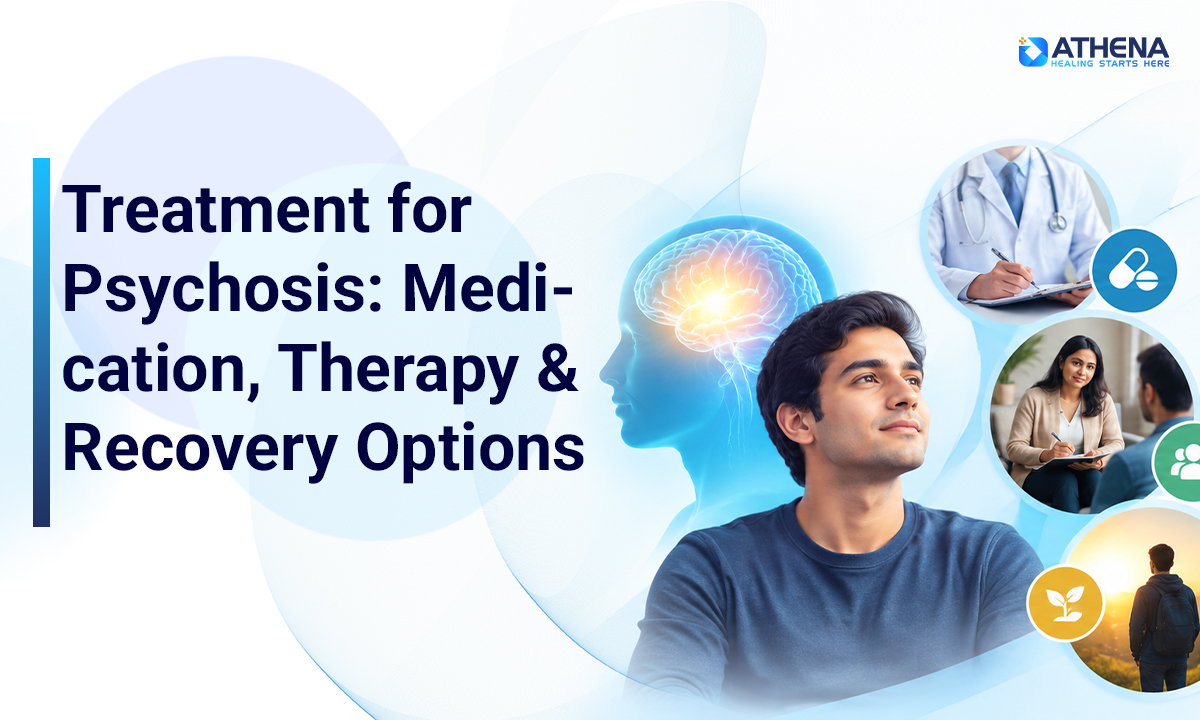

Hearing voices where there are none, the overwhelming sense of being stared at, or a belief that nothing can hurt you can turn your life from tolerable to intolerable. What can be done to help treat psychosis? You may ask if this is happening to you or a loved one and want immediate answers. Psychotic treatment can be effective when it begins early and includes elements such as medication, psychotherapy, and counseling. This resource provides the information you need to begin treatment and recover.
What Is Psychosis, and Who Does It Affect?
Psychosis is a syndrome comprising a set of symptoms and features that affect mental function. The basic definition is a loss of contact with reality. Psychosis is not a disorder in and of itself. Some examples of mental disorders that sometimes feature psychosis as a symptom are schizophrenia, bipolar affective disorder, severe depression, substance abuse, and sleep deprivation.
Psychosis is relatively common, affecting approximately 3 out of every 100 people at some point in their lives, according to the National Institute of Mental Health. The National Mental Health Survey of India (2015-16) estimates that approximately 0.4% of Indian adults have a psychotic disorder at any point. The onset of the first episode of psychosis is typically between the ages of late adolescence and 30.
Psychosis Symptoms & Warning Signs
The signs of a psychotic disorder can emerge gradually over weeks or even months, but there are several warning signs that something is wrong. The following are some of the most common symptoms:
Hallucinations, which are perceptions that occur in the absence of an external stimulus, such as hearing voices
Delusions, which are beliefs that are not based in reality, such as the thought that one is being followed
Disorganized thinking and speaking, such as jumping from topic to topic
Social withdrawal from friends, family, and activities
Lack of motivation and interest in normal activities (including schoolwork or hobbies)
Increased sleeping or difficulty sleeping
Deterioration in personal hygiene
Changes in mood, ranging from inappropriate sadness to sudden outbursts of laughter
Someone experiencing psychosis does not recognize that they are sick; therefore, they will not seek treatment on their own. It falls to family members and friends to encourage the affected person to get a proper diagnosis and treatment plan.
What Causes Psychosis?
Causes of psychosis vary from person to person. Genetics plays a part, since a close relative with schizophrenia raises your risk. Heavy stress, trauma, and long periods without sleep can set off an episode in someone already vulnerable. Brain chemistry, especially dopamine, also plays a role.
Substances matter too. Cannabis, amphetamines, and alcohol withdrawal can trigger psychotic symptoms, and even high-functioning cocaine use can bring on paranoia and hallucinations. When drugs and mental illness appear together, doctors call it a dual diagnosis, and both need treatment at the same time.
How Doctors Make a Psychosis Diagnosis
The diagnosis of psychosis involves a thorough psychiatric assessment, during which the psychiatrist asks the patient about the history of symptoms, their nature and duration, previous treatments, family mental health history, and substance use. Laboratory tests, including blood tests and brain scans, may be done to rule out other underlying medical conditions such as thyroid dysfunction, infection, tumours, and substance abuse. The information gathered aids in differentiating between schizophrenia, bipolar disorder, and substance/medication-induced psychotic disorder, as the treatment approaches differ for each.
Top Psychosis Medication Options
Antipsychotics form the base of care. Most people notice calmer thoughts within 1 to 2 weeks, with full benefit by 4 to 6 weeks.
Medication Type | Common Examples | Best For | Common Side Effects |
Second-generation antipsychotics | Risperidone, olanzapine, aripiprazole | First-line treatment for most people | Weight gain, drowsiness, blood sugar changes |
Clozapine | Clozapine | Treatment-resistant psychosis | Blood count monitoring needed, drooling, sedation |
Long-acting injections | Paliperidone, aripiprazole depot | People who miss daily tablets | Injection site pain, similar to oral forms |
Add-on medicines | Mood stabilisers, antidepressants | Psychosis with bipolar disorder or depression | Depends on the drug |
About 20 to 30% of people with schizophrenia do not respond to standard drugs, and clozapine helps many of them. Never stop or change a dose on your own. Research shows that around 8 in 10 people relapse within five years of stopping medication, compared with about 4 in 10 who continue.
Benefits of Therapy for Psychosis
Medication calms symptoms. Therapy teaches you to live with them and prevents the next episode. The most useful options are:
CBT for psychosis (CBTp): You learn to test frightening thoughts and reduce distress from voices.
Family therapy: Relatives learn how to respond calmly, which lowers relapse rates.
Social skills training: You rebuild confidence in conversations, work, and daily routines.
Supported employment and education: You return to a job or course at a manageable pace.
Therapy for psychosis works best once medication has steadied the symptoms, because clear thinking makes the sessions productive.
How to Get Out of Psychosis: Steps That Help
There is no quick switch, but recovery follows a pattern:
See a psychiatrist at the first sign of symptoms. Shorter untreated psychosis leads to better outcomes.
Take medication exactly as prescribed and report side effects early.
Protect your sleep, since broken sleep often feeds the next episode.
Avoid cannabis, alcohol, and other drugs completely.
Keep a regular daily routine with meals, light exercise, and fixed bedtimes.
Let one trusted person know your early warning signs.
The NIMH RAISE study found that coordinated specialty care, which blends medication, therapy, family support, and work help, improved symptoms and quality of life compared with routine care.
When Rehab Care Makes Sense
Some episodes need more than weekly appointments. Residential care suits people who are unsafe at home, refuse medicine, struggle with substance use alongside psychosis, or relapse repeatedly. Athena Behavioral Health offers psychiatry-led, stage-based care, from stabilisation to therapy and family sessions. Its schizophrenia treatment programme combines medication monitoring with CBT for psychosis in a calm, private setting.
Recovery Options After Treatment
Recovery does not end at discharge. Most people step down from residential care to outpatient visits and then continue regular reviews. Athena runs a continuing care programme, and families can join psychoeducation sessions that explain relapse signs and how to respond. Residents of Delhi-NCR can start at the rehab centre in Gurgaon, which offers 24/7 admissions and round-the-clock doctors.
Conclusion
Psychosis is a scary condition, but it is also very manageable. The right psychotherapy, medication, and family support are essential for a quick recovery. It is always a good idea to contact a psychiatrist as soon as the first symptoms appear. Our team at Athena Behavioral Health can help you manage your condition.