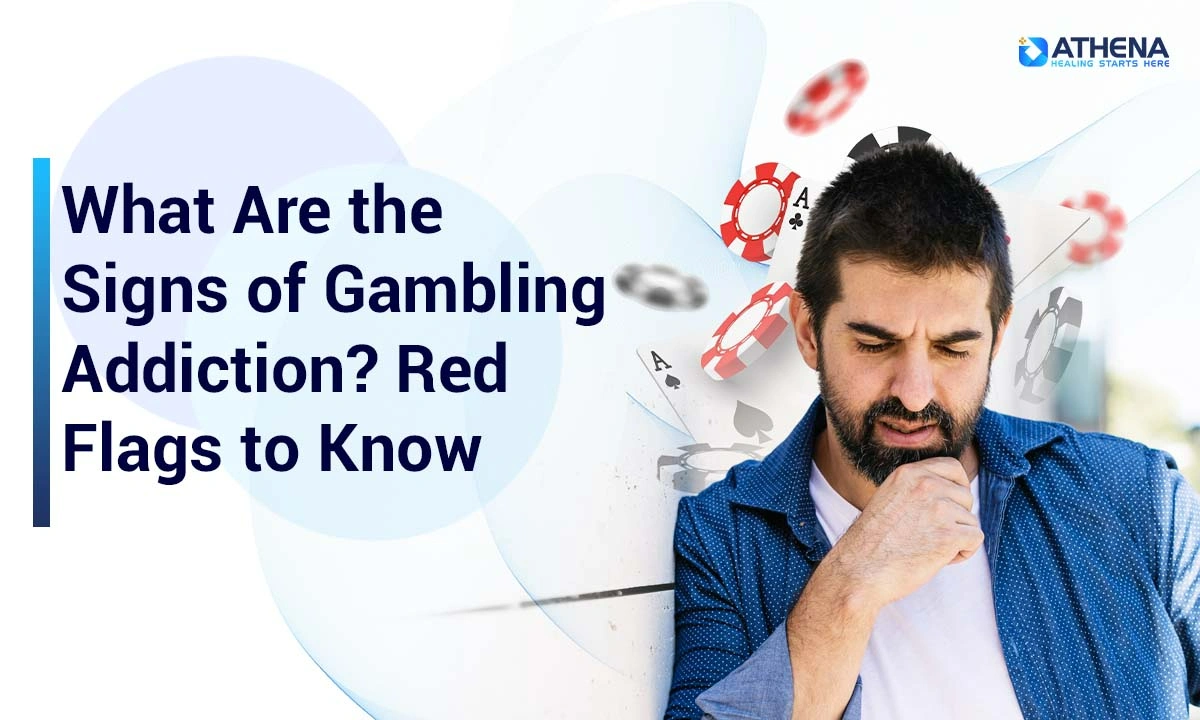

Gambling can start as a harmless form of entertainment, but for some people it slowly turns into a compulsive habit that takes over their finances, relationships, and mental health. If you've been asking yourself what are the signs of gambling addiction, whether for yourself or someone you care about, understanding these warning signs early, along with how the condition progresses and where to find help, can make a real difference before things get worse.
What Are the Signs of Gambling Addiction
Gambling addiction shows up through a mix of behavioral, emotional, and financial warning signs. Here are the most common ones to watch for:
Constantly thinking about gambling or planning the next bet.
Needing to wager larger amounts of money to feel the same thrill as before.
Repeated failed attempts to cut back or stop gambling.
Feeling restless or irritable when trying to reduce gambling.
Gambling to escape stress, sadness, boredom, or anxiety.
Chasing losses by betting even more to win back lost money.
Lying to family or friends about how much time or money is spent gambling.
Losing important relationships, jobs, or school opportunities because of gambling.
Asking others for money to cover gambling debts or losses.
Athena notes that these harms are often hard to spot from the outside, which is why family members are frequently the first to notice something is wrong, even before the person gambling admits it to themselves.
Signs by Category
Category | Common Signs |
Behavioral | Preoccupation with gambling, inability to stop, hiding gambling activity |
Emotional | Guilt, anxiety, irritability, mood swings, low self-esteem |
Financial | Borrowing money, missed bills, maxed credit cards, asking for bailouts |
Social | Withdrawal from family and friends, secrecy, relationship conflict |
Physical | Sleep changes, stress-related symptoms, neglect of self-care |
Gambling Addiction Symptoms
Gambling addiction symptoms affect a person on multiple levels at once. Athena explains that gambling can trigger the brain's reward system in a way similar to substance addiction, which is part of why the urge to keep gambling can feel so hard to control.
Emotional and psychological symptoms
Guilt and shame after gambling
Denial that gambling is a problem
In severe cases, thoughts of self-harm
Behavioral symptoms
Secrecy about gambling habits
Spending more and more time gambling
Neglecting work, school, or family responsibilities
Continuing to gamble despite clear negative consequences
Financial symptoms
Borrowing money frequently
Maxing out credit cards or loans
Missing rent, bills, or other payments
In extreme cases, turning to illegal activity for gambling money
Relationship symptoms
Growing distance from loved ones
Frequent conflict over money or trust
Divorce, separation, or job loss in advanced cases
A formal diagnosis is usually made by a mental health professional based on DSM-5 criteria, which generally requires several of these symptoms to be present within the same year.
5 Stages of Gambling Addiction
Gambling addiction typically follows a recognizable pattern. Understanding which stage a person is in can help determine how urgent intervention is.
Stage | What Happens | Key Red Flags |
1. Winning Stage | An early big win creates excitement and false confidence | Fantasizing about winning, gradually increasing bets |
2. Losing Stage | Losses build up, but the person bets more to win it back | Lying, borrowing money, hiding gambling activity |
3. Desperation Stage | Debts become unmanageable, panic sets in | Seeking bailouts, blaming others, illegal activity |
4. Hopelessness Stage | Person feels trapped with no way out | Depression, isolation, thoughts of suicide |
5. Recovery Stage | Person commits to change and seeks help | Reaching out for treatment, rebuilding trust and finances |
Not everyone moves through every stage in order, and it is possible to seek help and break the cycle at any point along the way.
Gambling Addiction Treatment
Gambling addiction is treatable, and many people recover successfully with the right support. Based on guidance common treatment options include:
Cognitive behavioral therapy (CBT): Considered the leading treatment; helps identify and change the thought patterns that drive gambling urges
Support groups: Programs like Gamblers Anonymous offer accountability and shared experience
Family therapy: Helps repair trust and communication damaged by gambling
Medication: No drug is approved specifically for gambling disorder, but medications can treat co-occurring conditions like depression or anxiety
Financial counseling: Helps rebuild financial stability, which reduces relapse risk
Inpatient or residential treatment: Recommended for severe cases, especially with co-occurring mental health or substance use issues
Recovery is rarely a straight line, and relapse can happen. A strong support system and a personalized treatment plan make the biggest difference in long-term outcomes.
Gambling Addiction Treatment in India
Gambling addiction is a growing concern in India, though stigma often keeps people from seeking help early. Access to confidential, professional care is key to recovery.
Athena Behavioral Health provides gambling addiction treatment in India, offering structured, evidence-based care for individuals struggling with compulsive gambling. Their approach typically combines therapy, counseling, and support for co-occurring mental health conditions, addressing both the gambling behavior itself and the emotional factors driving it. For anyone in India looking for professional support, Athena Behavioral Health offers a starting point for confidential treatment aimed at lasting recovery.
Conclusion
Gambling addiction rarely happens overnight. It builds slowly through excitement, denial, and chasing losses until it starts controlling a person's finances, relationships, and mental health. The good news is that no matter which stage someone is in, whether it's the early winning stage or the more painful hopelessness stage, recovery is always possible with the right support.
Recognizing the signs early, understanding the symptoms, and knowing that structured treatment options exist can be the difference between years of struggle and a real path forward. If you or someone you love is showing warning signs of gambling addiction, do not wait for things to get worse. Reaching out to a mental health professional, a support group, or a specialized center like Athena Behavioral Health in India is a strong first step toward regaining control and rebuilding a stable, healthy life.
Recovery is not about willpower alone. It is about getting the right help at the right time.