
Imagine falling asleep after a tiring day, only to wake up suddenly with your heart pounding, chest tightness and an overwhelming feeling that something terrible is happening. You look around, but there is no obvious danger. For some people, this frightening experience happens repeatedly. Known as nocturnal panic attacks, these episodes can interrupt sleep and make bedtime stressful.
Panic attacks while sleeping can occur even when someone feels calm before going to bed. They involve a sudden surge of fear accompanied by physical symptoms such as sweating, breathlessness and a racing heartbeat. Understanding their causes, symptoms and treatment options can help you manage these episodes.
What Are Panic Attacks While Sleeping?
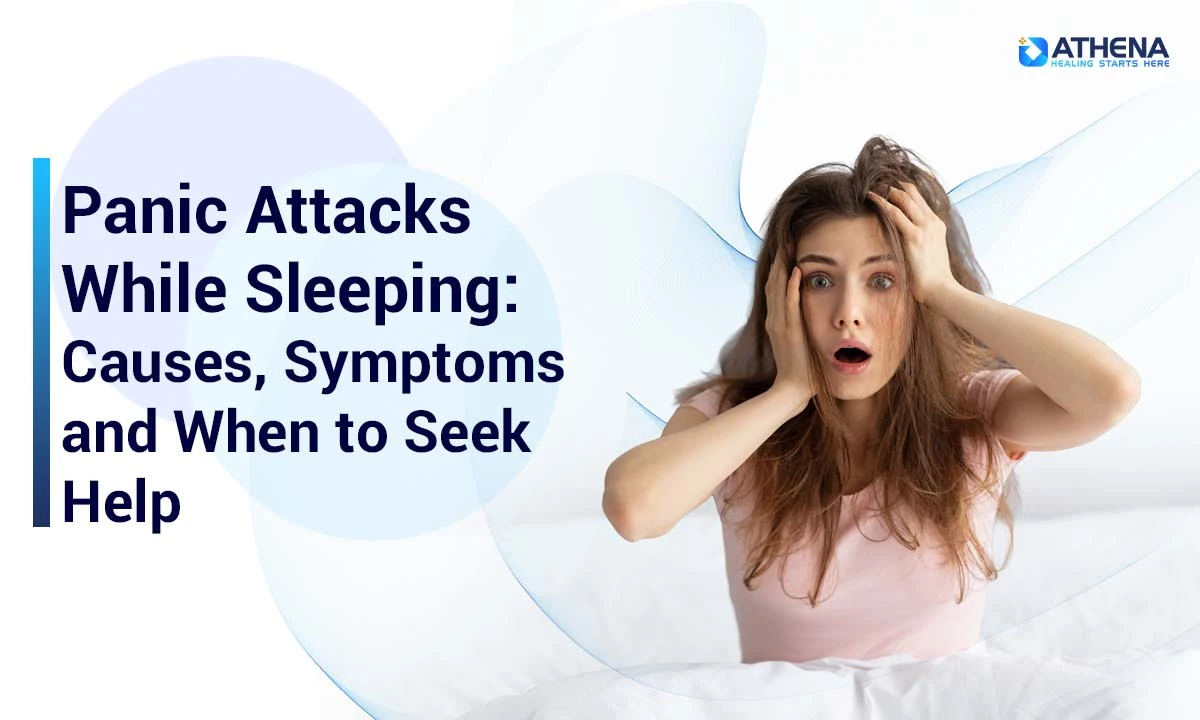
Nocturnal panic attacks are sudden episodes of intense fear that wake a person from sleep. Unlike nightmares, they do not necessarily involve frightening dreams. A person may wake up feeling terrified, with their body already responding as though it is facing danger.
These episodes can happen without an obvious trigger. They are associated with the body's fight-or-flight response, which can produce intense physical sensations.
Some important things to understand:
A nocturnal panic attack can happen without a nightmare.
The person usually wakes up completely and remembers the episode.
Physical symptoms can resemble a medical emergency.
The intense phase generally peaks within minutes, although discomfort may continue afterwards.
Some people also experience daytime panic attacks.
What Causes Panic Attacks at Night?
There is no single explanation for nighttime panic attacks. Several psychological, biological and lifestyle factors may contribute.
1. Persistent stress: Work pressure, financial difficulties and relationship problems can keep the mind under stress, even when someone appears calm during the day.
2. Anxiety disorders: People with panic disorder or generalized anxiety disorder may be more likely to experience nighttime episodes because of increased sensitivity to stress and physical sensations.
3. Irregular sleep patterns: Insufficient sleep and inconsistent sleeping schedules can affect emotional regulation and make anxiety harder to manage.
4. Caffeine, nicotine and alcohol: Coffee, energy drinks and nicotine can increase alertness and heart rate. Alcohol may initially cause sleepiness but can disrupt sleep later.
5. Previous trauma: Traumatic experiences can contribute to heightened stress responses and sleep disturbances.
6. Underlying medical conditions: Thyroid disorders, sleep apnoea, asthma and heart rhythm problems can produce symptoms that resemble panic attacks.
For individuals experiencing anxiety alongside substance use, professional assessment at a drug addiction center in India may help address both concerns.
Symptoms and How to Control Panic Attacks While Sleeping?
Recognising the panic attack while sleeping symptoms can help you understand what is happening.
Physical symptoms | Emotional symptoms |
Racing heartbeat | Sudden intense fear |
Sweating or chills | Fear of dying |
Shortness of breath | Feeling of losing control |
Chest tightness | Fear that something terrible will happen |
Trembling or dizziness | Feeling disconnected from surroundings |
A person may experience several symptoms together. For example, a racing heartbeat may create fear of a heart problem, which can increase anxiety further.
What should you do when a panic attack wakes you up?
Slow your breathing: Breathe gently through your nose and exhale slowly.
Ground yourself: Notice objects around you and remind yourself that you are awake and safe in your present surroundings.
Relax your muscles: Release tension in your shoulders, jaw and hands.
Avoid checking the time repeatedly: Watching the clock can increase frustration and anxiety.
Give yourself time: Sit somewhere comfortable until the intense sensations begin to settle.
Get Rid of Panic Attacks While Sleeping: Treatment and Prevention
1. Cognitive Behavioural Therapy (CBT)
CBT helps people recognise thoughts and behaviours that contribute to panic. It teaches healthier ways to respond to physical sensations without automatically interpreting them as signs of danger.
2. Medication
Psychiatrists may prescribe medication depending on the diagnosis. Common options include:
SSRIs, frequently used to treat panic disorder.
SNRIs, which may help manage anxiety symptoms.
Certain short-term anti-anxiety medicines in selected cases.
3. Improve your sleep habits
Try to:
Follow a consistent sleeping schedule.
Avoid caffeine and energy drinks in the evening.
Reduce screen exposure before bedtime.
Keep your bedroom quiet and comfortable.
Avoid heavy meals immediately before sleeping.
4. Manage daily stress
Journaling, meditation, walking and spending time with supportive people can help reduce accumulated stress.
5. Seek professional support
If episodes continue despite lifestyle changes, a psychiatrist can assess whether panic disorder, another anxiety condition or a sleep-related problem is involved.
A psychiatric hospital in India can provide psychiatric assessment, therapy and medication management when symptoms require structured care.
Seek Medical Help for Panic Attacks While Sleeping
An occasional episode may not indicate a serious mental health condition. However, repeated nighttime panic attacks should not be ignored, particularly when they affect sleep and everyday functioning.
Consider consulting a healthcare professional if:
You regularly wake up with intense fear or a racing heartbeat.
You have started avoiding sleep because you fear another episode.
You experience panic attacks during the day.
Anxiety is affecting your work, relationships or concentration.
You rely on alcohol or sleeping medication to fall asleep.
Your symptoms are becoming more frequent or difficult to manage.
Important: Chest pain, severe breathing difficulty, fainting or new and unexplained physical symptoms should not automatically be assumed to be panic attacks. Seek emergency medical attention, especially if symptoms are severe or unusual.
You can also understand the relationship between anxiety and sleep through Athena's guide on anxiety at night.