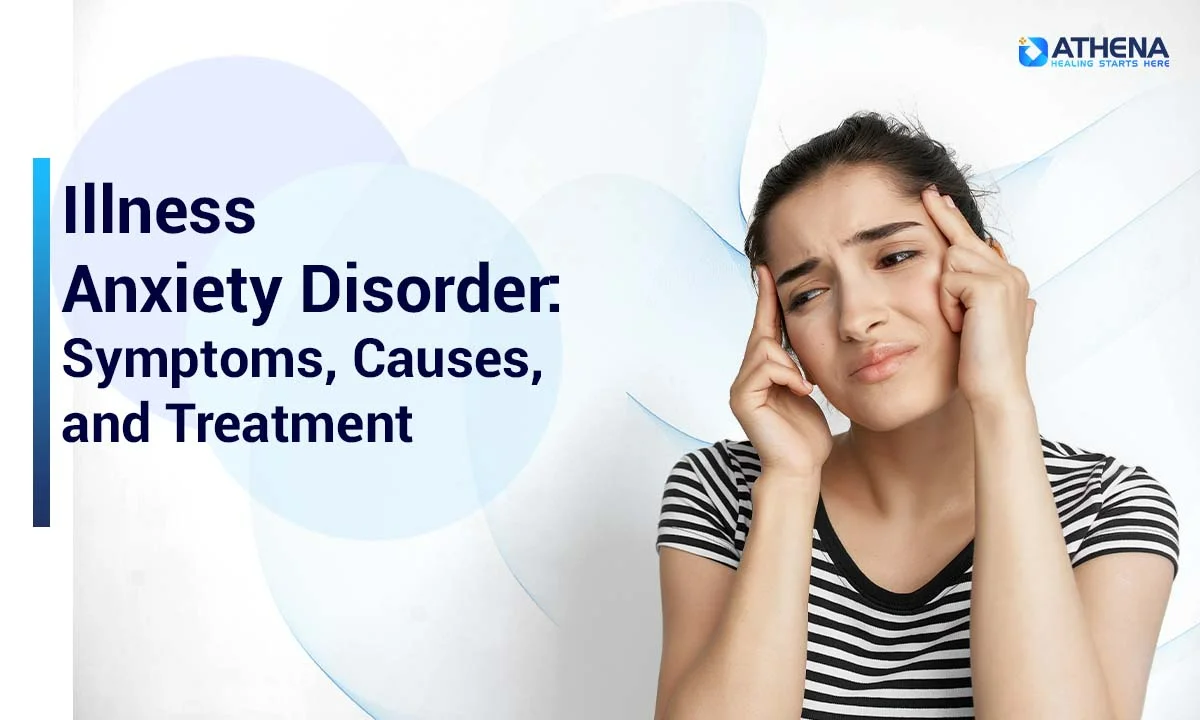

Most people have an irrational fear of a mole or a headache, but it goes away after a while. It is not the case for everyone, though. The test results come back negative; the doctor says everything is fine, and a few hours later, the phone rings again. Doctors call this illness anxiety disorder, and up to 10 percent of adults have it. It is not a character flaw, and it is treatable. Here is how to recognize the symptoms and causes, and what can be done to overcome health anxiety.
Illness Anxiety Disorder Symptoms: 7 Signs to Watch For
Physicians say that the unreasonable worry about having or getting a serious disease has been going on for at least 6 months in people with the diagnosis of illness anxiety disorder. The physical symptoms, if present, are minimal. The telltale signs of the condition are:
A pervasive fear of getting or having a horrible disease, such as cancer, heart problems, or HIV
Repeated body checking, such as feeling for lumps, looking at skin moles
Googling symptoms and test results
Seeking reassurance from family members and physicians
Panicking at any sign of discomfort, such as a muscle spasm, a headache, or chest pain
Asking for numerous tests with many doctors (care-seeking type)
Avoiding hospitals, news, and medical discussions (care-avoidant type)
The fear feels real even when the disease is not. A racing heart can look like a cardiac problem, and knowing how a panic attack differs from a heart attack helps you stop that spiral early.
What Causes Illness Anxiety Disorder?
There is no single reason that explains it. For most people, there are a combination of reasons. Your chances are higher if you have a family history of anxiety, or if you are a worrier by nature. A bad case of illness as a child or seeing a parent become seriously ill can leave you feeling like it could happen to anyone. Studies show that childhood experiences contribute to adult anxiety, which is why it often begins at an early age or follows a stressful incident.
A family tragedy or recent loss can certainly play a role, as well as a difficult situation at work or a prolonged period of insufficient sleep. The internet is also thought to contribute to the problem since any web search can turn up some very frightening information.
Illness Anxiety Disorder vs Other Conditions: Quick Comparison
Several conditions look alike on the surface. This table shows how they differ:
Condition | Main Fear | Physical Symptoms | Typical Behaviour |
Illness anxiety disorder | Having a serious disease | None or very mild | Checking, Googling, reassurance seeking or avoiding doctors |
Somatic symptom disorder | The symptoms themselves | Real and distressing, like pain or fatigue | Excessive worry about the symptoms |
Generalised anxiety disorder | Many everyday issues | Tension, restlessness | Worry across work, money, health and family |
OCD | Contamination or illness thoughts | Varies | Rituals such as washing or counting |
Normal health worry | One specific symptom | Present | Settles after a doctor's visit |
Illness Anxiety Disorder Treatment: The Best Choices Revealed
The future is looking bright. The majority of people see improvement with a combination of psychotherapy and medication, if needed.
Psychotherapy: CBT is the primary form of treatment for illness anxiety, helping patients identify and change catastrophic thoughts, cut back on body checking, and accept indecisiveness and uncertainty. Most programs meet once a week for 10 to 16 weeks.
Drugs: SSRIs, including sertraline and fluoxetine, may help decrease anxious ideas when anxiety is severe or occurs with depressive symptoms. These are generally given by a psychiatrist after evaluation.
Psychoeducation for family members: They are taught how to avoid participating in the reassurance-seeking cycle.
Athena Behavioral Health treats this condition through its anxiety disorder treatment programme, where a psychiatrist and a clinical psychologist assess the pattern first and then build a plan around CBT, medication when needed, and support for the family.
How to Overcome Health Anxiety: 6 Daily Habits
Limit Googling: one search per day or none at all.
Let it pass: defer checking your body or opening the browser tab for 15 minutes, and often the urge will pass.
Pick a doctor: negotiate a regular check-up schedule with one physician instead of visiting several.
No reassurance: ask family members to provide concrete answers only once.
Separate the facts from the fears: write down the symptom (headache) and the thought (it is a brain tumor) in two columns.
Make sure the bedtime and the morning walk are scheduled regularly. 30 minutes of exercise and 7-8 hours of sleep reduce overall anxiety levels.
When Health Anxiety Leads to Alcohol, Sleeping Pills, or Drugs
Many people with health anxiety use substances to self-treat their symptoms, and eventually, substance use disorders can develop. As a result, the anxiety turns into a second illness that requires treatment. Such a situation often happens when people abuse alcohol or sedatives to soothe their worries. Morning hangovers and withdrawal from sleeping pills usually make the symptoms of anxiety worse since the body perceives every heartbeat as a threat.
Stimulants are even more dangerous: a person with a hidden cocaine addiction, for example, may interpret every heartbeat as a sign of a heart attack and have a higher risk of developing both anxiety and substance use disorders. The dual diagnosis can be successfully treated, but only with the help of specialized professionals who will address both issues simultaneously.
When to See a Specialist for Health Anxiety
Get help if the worry lasts more than 6 months, affects your work or sleep, costs you money in repeated tests, or has you checking your body every day. Start with your regular doctor to rule out a real illness, then see a psychiatrist or psychologist. If you are unsure how to begin, Athena's online psychiatric consultation lets you speak with a specialist from home.