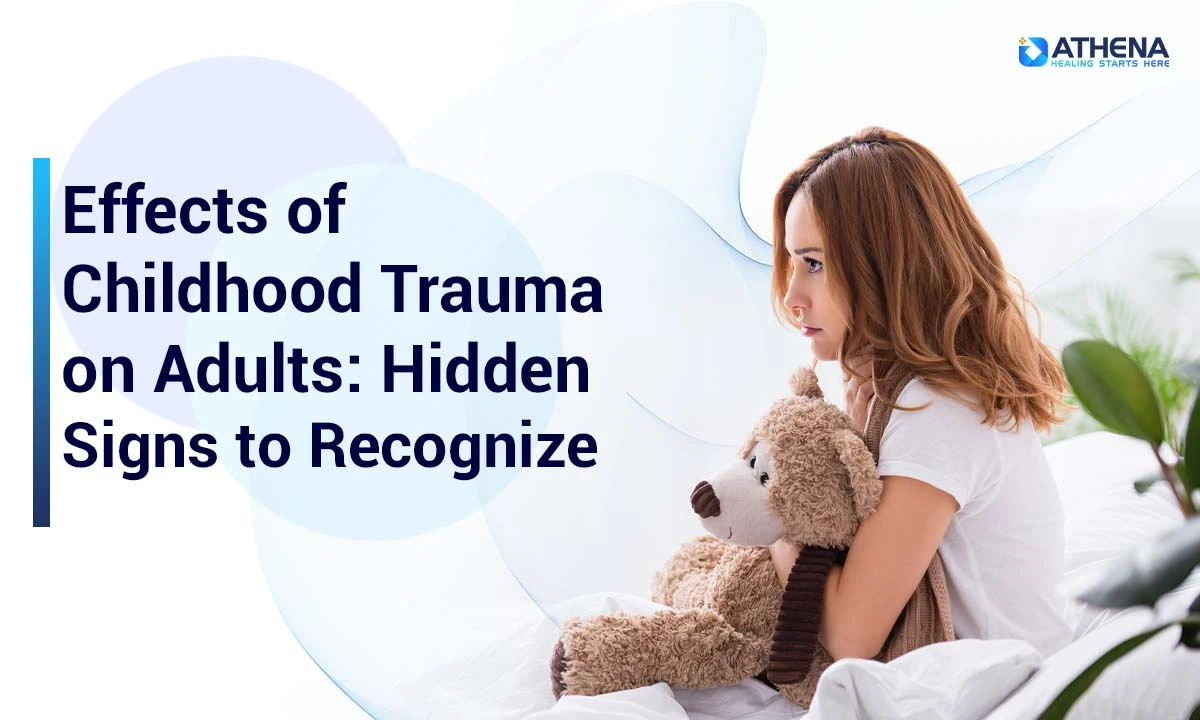

Have you ever felt guilty for saying no, struggled to trust someone who genuinely cares about you, or become anxious when someone raises their voice? Sometimes, reactions that seem unrelated to your present life have roots in experiences you went through as a child.
The effects of childhood trauma on adults are not always obvious. Some people grow up believing that their constant need for approval, fear of rejection, emotional distance, or difficulty managing stress is simply part of their personality. However, these patterns may be connected to unresolved childhood experiences.
What is Childhood Trauma, and How Can It Affect Adult Life?
Childhood trauma refers to distressing experiences during the early years that affect a child's sense of safety, security, and emotional development. These experiences may involve a single frightening incident or repeated exposure to stressful situations.
Some common examples include:
Physical, emotional or sexual abuse.
Neglect or lack of emotional support from caregivers.
Witnessing domestic violence or frequent family conflicts.
Losing a parent or experiencing separation from a caregiver.
Growing up with a parent struggling with substance dependence or severe mental illness.
Bullying, humiliation or repeated criticism.
Understanding these experiences can also help explain why some individuals eventually need professional support from a psychiatric hospital in India when trauma-related symptoms significantly interfere with daily functioning.
Hidden Signs of Childhood Trauma in Adults
Not everyone who experiences childhood trauma develops the same symptoms. Some people experience noticeable emotional distress, while others continue working, maintaining relationships and fulfilling responsibilities despite struggling internally.
Here are some commonly overlooked signs of childhood trauma in adults.
1. Difficulty trusting people
You may constantly question someone's intentions, expect betrayal or struggle to feel comfortable in close relationships. Even when someone treats you well, you might find yourself waiting for something to go wrong.
2. Constant people-pleasing
Do you find it difficult to disagree with others? Some adults automatically prioritise everyone else's happiness to avoid arguments, rejection or criticism.
3. Fear of abandonment
You might become anxious when someone takes longer to respond to a message, changes their behaviour or asks for personal space. Small situations can trigger an intense fear of being left behind.
4. Emotional numbness
Some individuals find it difficult to identify or express their feelings. Instead of reacting to upsetting situations, they may withdraw, disconnect emotionally or pretend that nothing bothers them.
5. Overreacting to criticism
Even mild feedback can feel like rejection. You might spend hours thinking about a single comment or feel deeply embarrassed after making a small mistake.
6. Difficulty setting boundaries
Saying no may create feelings of guilt. You might agree to things you do not want to do simply because disappointing someone feels uncomfortable.
7. Constant alertness
You may pay close attention to facial expressions, changes in tone or the behaviour of people around you. This heightened awareness, known as hypervigilance, can make it difficult to relax.
8. Unexplained physical discomfort
Some adults experience persistent sleep difficulties, headaches, muscle tension and digestive problems alongside psychological distress. These symptoms can have several causes and should not automatically be attributed to trauma.
For a deeper understanding of how early adversity influences adult behaviour, the University of Yeshiva's discussion of hidden trauma signs provides additional context.
How Does Childhood Trauma Affect the Brain and Body in Adulthood?
Childhood is an important period for brain development. During these years, the brain learns how to regulate emotions, respond to stress and build relationships.
As an adult, this can contribute to:
Emotional difficulties: Trouble managing anger, sadness, anxiety or frustration.
Memory and concentration problems: Difficulty focusing, remembering certain experiences or processing stressful situations.
Relationship challenges: Fear of intimacy, trust issues and difficulty communicating emotional needs.
Sleep disturbances: Nightmares, difficulty falling asleep or waking up frequently.
Physical stress responses: Muscle tension, fatigue and recurring headaches.
Some individuals may turn to alcohol or drugs to manage uncomfortable memories or emotional distress. When substance use becomes difficult to control, assessment at a suitable addiction center in India may help address both substance use and underlying psychological concerns.
How Can Adults Begin Healing Childhood Trauma?
One of the most important things to understand is that childhood trauma does not have to determine how you live the rest of your life.
Some helpful treatment approaches include:
Treatment approach | How it helps |
Trauma-focused CBT | Helps identify and change unhelpful thoughts and reactions connected to traumatic experiences. |
EMDR therapy | Helps process distressing memories and reduce their emotional intensity. |
DBT | Develops emotional regulation, distress tolerance and interpersonal skills. |
Supportive psychotherapy | Provides a safe environment to explore difficult experiences and build coping strategies. |
Medication management | May help manage associated conditions such as depression, anxiety or sleep difficulties when clinically indicated. |
If symptoms are severe, persistent or affecting your ability to work, maintain relationships or care for yourself, a psychiatric assessment may be appropriate. A mental hospital in India can provide specialist assessment and structured psychiatric care when a higher level of support is required.