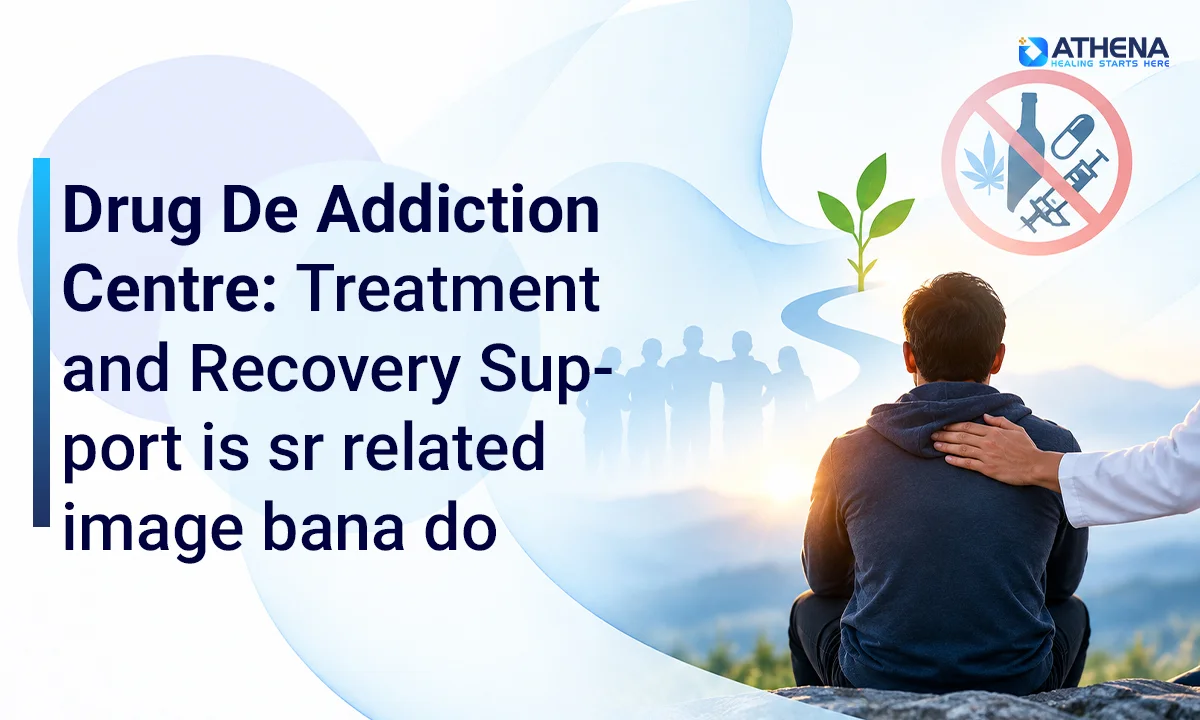
Everything else falls into disarray when your loved one begins to live around a drug, sleep, work, money, and trust. You'd like to pitch in, but each possibility seems uncertain, and waiting just makes it more difficult. A drug de addiction centre eliminates that uncertainty and provides you with a definite plan. A doctor deals with the physical, a therapist with the mind, and a follow-up programme ensures that recovery can be maintained after leaving the hospital. This is how drug addiction treatment functions, what takes place during each stage, and how to select a good drug addiction treatment centre in India.
Why Drug Addiction Needs Professional Treatment
Addiction to drugs is a medical disease. Because it affects the brain's reward, stress, and self-control systems, it is not enough to rely on willpower alone. According to the UN World Drug Report 2023, there were an estimated 296 million people using drugs globally in 2021, and 39.5 million people had a drug use disorder. According to the national survey conducted on substance use in India, there are approximately 3.1 crore people using cannabis and 2.26 crore using opioids.
The numbers are large, but the pattern is familiar to every family: use starts as a habit, turns into dependence, and then takes over work, health, and relationships. If you are not sure your loved one has reached that point, read about the symptoms of drug addiction before you decide on your next step.
Signs It Is Time to Seek Help
Most families wait too long because the changes happen slowly. A missed shift here, a small lie there, and soon the person you know feels like a stranger. You do not need a crisis to justify reaching out. If you notice a pattern that keeps repeating, trust your instincts and look more closely. These are the signs doctors see most often in people who need drug addiction treatment:
- The person needs more of the drug to feel the same effect
- Shaking, sweating, nausea, or anxiety appear when the drug wears off
- Work, college, or family events get skipped
- Money goes missing, or belongings disappear
- Every attempt to quit ends within days
What Happens at a Drug Addiction Treatment Center?
Treatment follows a clear order. Doctors first assess the person's drug history, physical health, and mental health. Next comes detox, followed by therapy, family sessions, and a written aftercare plan.
Many people also live with depression, anxiety, or trauma alongside drug use. Treating only one of the two usually fails, so a good centre addresses both. Our services on depression and addiction treatment explain how this dual approach works.
Drug Detoxification and Withdrawal Management: Why Medical Supervision Matters
Addiction withdrawal may be painful and in some cases, even dangerous. Opioid withdrawal brings severe cramps, vomiting, and restlessness. Withdrawal from benzodiazepines can cause seizures. A lot of people have tried to give up on drugs and alcohol at home, but the pain is too much, and they end up falling back into their old habits.
During supervised drug detoxification, doctors monitor vital signs around the clock, prescribe medicines that ease symptoms, and step in quickly if complications appear. Detox usually lasts from several days to two weeks, depending on the substance and the person's health. Athena Behavioral Health's medical detoxification programme is built around this kind of safe, supervised drug withdrawal management.
Top Benefits of a Rehab Centre Over Quitting at Home
Factor | Quitting at Home | Residential De Addiction Centre |
Medical safety | No doctor on call | Doctors available 24x7 |
Withdrawal | Pain often pushes the person back to the drug | Medicines ease symptoms |
Triggers | Same people, places and routines | Removed from daily triggers |
Therapy | Rarely available | Daily individual and group sessions |
Family role | Unplanned and tense | Structured family counselling |
Aftercare | Usually missing | Written follow-up plan |
Drug Abuse Recovery Does Not End at Discharge
As with asthma and hypertension, 40 to 60 percent of people who seek treatment for substance use will return to using drugs at some time, according to the US National Institute on Drug Abuse. The relapses don't indicate treatment failure. It implies the need to modify the plan. The success of drug abuse recovery hinges on what occurs post-discharge from treatment:
- Follow-up visits with the treating psychiatrist, as usual.
- Counselling/support group meetings weekly
- A family that can identify triggers and stay relaxed
- A routine of sleeping, exercising, and working every day
How to Choose a Drug Rehabilitation Centre in India
Every centre promises recovery, but their programmes, staff, and standards differ widely. Some treat only the drug use, while others also treat the anxiety, depression, or alcohol dependence that often sits behind it. Understanding how alcohol and drug addiction treatment works helps you ask better questions and avoid costly mistakes. Use the checklist below to compare your options with confidence.
- Accreditation, such as NABH, and licensed psychiatrists on staff
- Doctors present on site at night, not only on call
- Private rooms and strict confidentiality
- Treatment for both drug use and mental health
- Family counselling and a real aftercare plan
- Clear costs, with insurance and EMI options
How We Treat Drug Dependence
The team follows four stages: assess, stabilise, treat, and sustain. Every patient gets a full psychiatric evaluation, supervised detox, evidence-based therapy, and long-term follow-up. Over 50,000 patients have been treated, and 91 percent complete their programme, compared with 70 to 85 percent internationally.
Final Thoughts
Drug addiction treatment works best when you start early, choose a centre that treats the whole person, and keep the support going after discharge. Athena offers private, judgment-free care in Gurugram, Delhi, Noida, and Guwahati. Call +91 9289086193 to speak with the care team today.