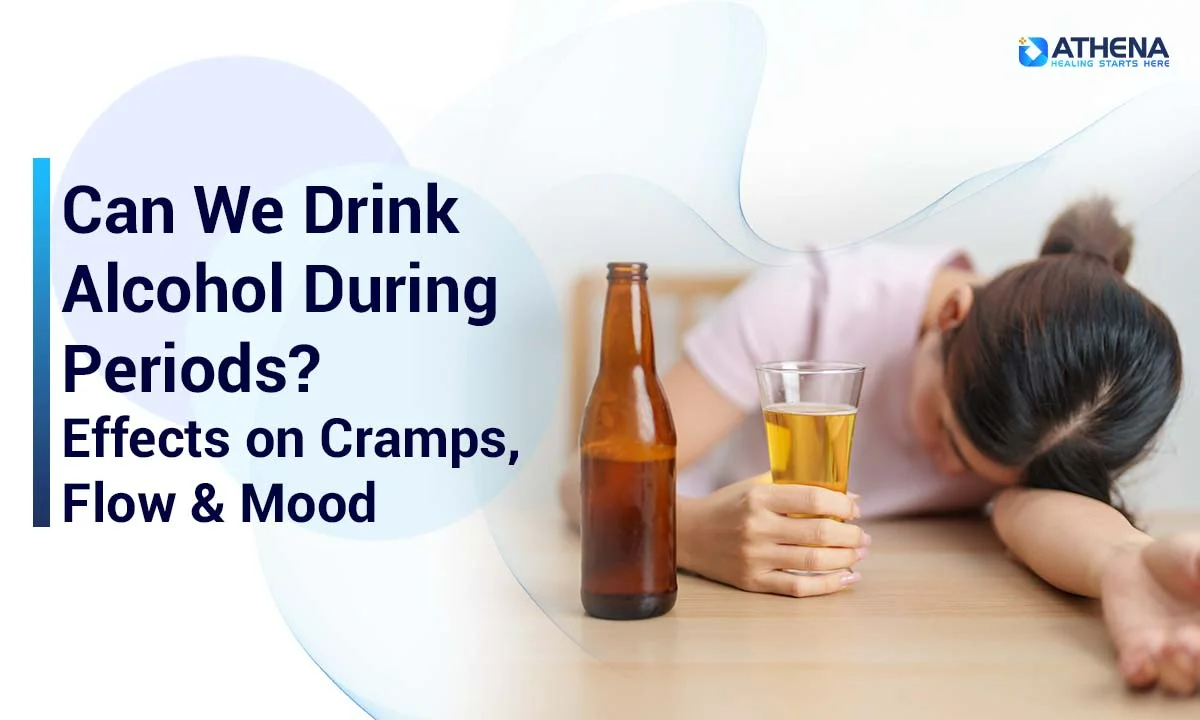

Many women wonder, "can you drink alcohol during periods" without making their symptoms worse. Periods already bring cramps, bloating, mood swings and fatigue, so it is natural to ask whether a drink will help you relax or actually add to the discomfort. The honest answer is that alcohol during periods affects every woman differently, but there are clear patterns worth understanding before you pour that glass.
This article breaks down how alcohol consumption during periods affects cramps, flow and mood, and shares practical guidance so you can make an informed choice.
Can You Drink Alcohol During Periods?
Technically, yes, you can drink alcohol during periods, and an occasional drink is unlikely to cause serious harm for most healthy women. However, "can we consume alcohol during periods" is not just a yes or no question. Alcohol is a vasodilator, meaning it widens blood vessels, and it also affects hormone levels, hydration and prostaglandin activity, the compounds responsible for uterine contractions and cramping.
So while drinking alcohol during periods is not dangerous for everyone, it can intensify certain menstrual symptoms, especially if you already struggle with heavy flow, painful cramps or PMS related mood changes.
Is It Safe to Drink Alcohol During Periods?
Is it safe to drink alcohol during periods depends largely on the amount consumed and your individual sensitivity. Light, occasional drinking is generally considered low risk for most women. Regular or heavy drinking, on the other hand, can disrupt hormone balance, worsen dehydration and interfere with the body's natural inflammatory response during menstruation.
How Alcohol Affects Cramps During Periods
Menstrual cramps happen when the uterus contracts to shed its lining, a process driven by hormone-like substances called prostaglandins. Alcohol can worsen this process in a few ways.
- Alcohol dehydrates the body, and dehydration can make muscle cramps, including uterine cramps, feel more intense.
- It can increase inflammation, which may aggravate the pain signals already active during menstruation.
- Alcohol interferes with sleep quality, and poor sleep tends to lower your pain tolerance the next day.
- It can also cause bloating, which adds pressure to an already sensitive abdominal area.
Women who already experience severe cramps or conditions like endometriosis often notice that alcohol consumption during periods makes the pain feel sharper or longer lasting.
Does Alcohol Increase or Decrease Period Flow?
Since alcohol widens blood vessels, some women report heavier bleeding after drinking during their period, while others notice a lighter or delayed flow because alcohol can also interfere with the hormonal signals that regulate bleeding. Neither effect is universal, and both depend on how much is consumed and how sensitive your hormonal system is to alcohol. Women who already have heavy periods should be more cautious, since drinking alcohol during periods may add to the volume and duration of bleeding for some.
A short comparison of how alcohol interacts with common PMS and period symptoms is given below.
Symptoms | Normal Period Effects | Added Effects of Alcohol |
Cramps | Mild to moderate pain from uterine contractions | Can feel more intense due to dehydration and inflammation |
Flow | Regular to heavy depending on individual cycle | May increase or decrease depending on blood vessel dilation and hormone shifts |
Mood | Irritability, low mood from hormonal shifts | Can worsen mood swings and next day anxiety |
Sleep | Sometimes disturbed due to discomfort | Further disrupted, affecting energy and pain tolerance |
Bloating | Common due to water retention | Alcohol can add to bloating and gas |
This table is a general guide. Actual effects vary based on how much alcohol is consumed, individual tolerance and existing menstrual health conditions.
Effects of Alcohol on Mood During Periods
Hormonal shifts before and during menstruation already affect serotonin and dopamine levels, the chemicals responsible for mood regulation. Alcohol is a depressant, and combining it with a naturally low point in the hormonal cycle can amplify irritability, sadness or anxiety. These hormonal swings are part of a much larger picture of how oestrogen and progesterone shape emotional wellbeing throughout the month, not just during your period, and understanding that connection often explains why alcohol seems to hit harder emotionally right before or during menstruation than it does at other points in the cycle, a pattern covered in more depth when looking at how hormonal changes affect women's mental health.
Can Women Drink Alcohol During Periods Safely?
Can women drink alcohol during periods without risk comes down to moderation and awareness of personal triggers. If you choose to drink, a few practical steps can reduce the impact on your cycle.
- Stick to one drink and avoid multiple rounds in a single sitting.
- Drink plenty of water alongside alcohol to offset dehydration.
- Eat a proper meal before drinking to slow alcohol absorption.
- Avoid drinking on days when cramps or flow are already at their worst.
- Pay attention to how your body reacts and adjust future choices accordingly.
Which Alcohol Is Good During Periods?
If you are wondering which alcohol is good during periods, lighter options are generally considered easier on the body than heavy, sugary or strongly carbonated drinks.
- Light wine in small quantities is often better tolerated than spirits mixed with sugary sodas.
- Clear spirits like vodka mixed with water or a light mixer tend to cause less bloating than beer or sweet cocktails.
- Beer and carbonated drinks can increase bloating, which may add to period discomfort.
- Sugary cocktails can cause blood sugar spikes and crashes, which may worsen mood swings.
None of these options are risk free, but choosing lighter, less sugary and less carbonated drinks in moderation tends to be gentler during menstruation.
When to Be More Cautious
Some women should be extra careful with alcohol consumption during periods, including those who experience very heavy bleeding, diagnosed conditions like PCOS or endometriosis, or those taking medication for period pain. Alcohol can also interact with common painkillers used for cramps, so it is worth checking with a doctor if you regularly rely on medication during your cycle.
Alcohol, Periods and Long-Term Wellbeing
Occasional drinking during periods is a personal choice, but regular or heavy alcohol consumption tied to menstrual discomfort can quietly turn into a coping habit. Using alcohol repeatedly to manage cramps, mood swings or stress can affect both physical and mental health over time, and this is exactly why period related emotional wellbeing deserves the same attention as physical symptoms, a point explored further in why women's mental health is important.
A Word of Caution
If you find that you are unable to cut back on alcohol, or that drinking has become a way to cope with period pain, PMS or daily stress rather than an occasional choice, it may be a sign of a deeper dependency worth taking seriously. For anyone in this situation, Athena Behavioral Health provides structured alcohol addiction treatment built around real, lasting recovery rather than short term detox, delivered through a dedicated recovery centre named Athena OKAS in Gurgaon Sector 39 that offers compassionate, professional care for people ready to break free from alcohol dependency.
Final Thoughts
So, can you drink alcohol during periods? In moderation, most healthy women can drink alcohol during their period without major issues, but it can worsen cramps, unpredictably affect flow and impact mood due to its influence on hydration, inflammation and hormone balance. Listening to your body, staying hydrated, choosing lighter drinks and drinking in moderation are the best ways to enjoy alcohol without adding to period discomfort. If alcohol consumption feels harder to control, especially around emotional lows during your cycle, reaching out for professional support is a healthy and important step.