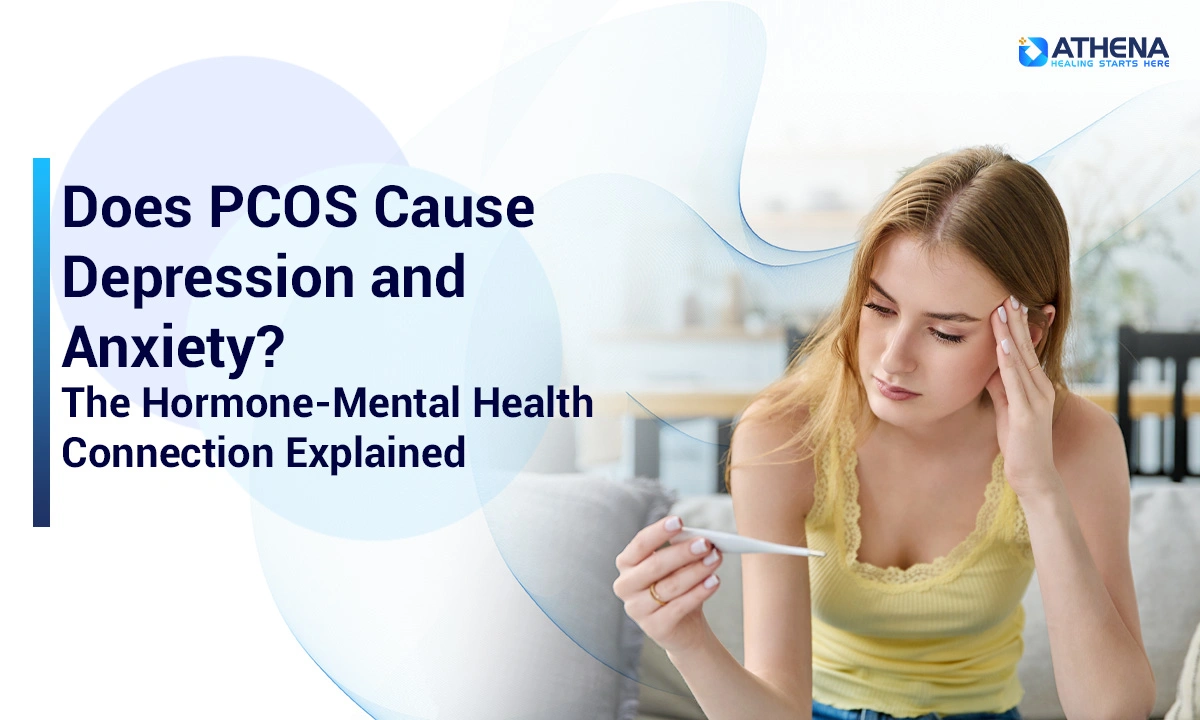

Does PCOS cause depression anxiety? Yes. Research suggests that women with Polycystic Ovary Syndrome (PCOS) are more likely to experience anxiety and depression than women without the condition. Hormonal imbalance, insulin resistance, inflammation, and the emotional challenges of living with PCOS all contribute. Addressing both physical and mental health is essential for long-term well-being.
Millions of Indian women with PCOS silently struggle with emotional distress without knowing it may be linked to their hormones. At Athena Behavioral Health, we believe mental health deserves the same attention as physical health, and timely professional support can make a meaningful difference.
What Is PCOS?
Polycystic Ovary Syndrome (PCOS) is one of the most common hormonal disorders affecting women of reproductive age. It can influence menstrual cycles, ovulation, fertility, metabolism, and overall hormonal balance. While many people associate PCOS with irregular periods, acne, unwanted facial hair, or weight gain, its impact goes far beyond physical symptoms.
Hormonal fluctuations caused by PCOS can also affect brain function, emotional regulation, and stress responses. As a result, many women experience persistent anxiety, mood swings, or depression without realizing these symptoms may be connected to their condition. Left unchecked, these early hormonal shifts can manifest during formative years, making specialized
Does PCOS Cause Depression and Anxiety?
A common question many women ask is, does PCOS cause depression anxiety? Current research indicates that women with PCOS have a significantly higher likelihood of developing anxiety disorders and depressive symptoms compared with women who do not have PCOS.
This does not mean that every woman with PCOS will experience depression or anxiety. However, the condition creates several biological and psychological factors that increase emotional vulnerability. Hormonal changes, insulin resistance, chronic inflammation, body image concerns, fertility challenges, and ongoing stress can all contribute to poor mental health.
Understanding this connection helps women recognize that emotional symptoms are not simply "in their head." They are often part of the broader impact of PCOS on the body and brain.
The Hormone-Mental Health Connection Explained
Hormonal Imbalance and Brain Chemistry
Hormones play an important role in regulating mood. In women with PCOS, changes in estrogen, progesterone, and androgen levels can influence neurotransmitters such as serotonin and dopamine, which are responsible for emotional balance, motivation, and feelings of well-being.
When these systems become disrupted, some women may notice increased irritability, persistent sadness, emotional sensitivity, or anxious thoughts.
Insulin Resistance Can Affect Mood
Many women with PCOS also experience insulin resistance. When the body struggles to use insulin efficiently, blood sugar levels may fluctuate, affecting energy production and brain function.
These changes can contribute to:
Fatigue
Difficulty concentrating
Irritability
Increased stress
Feelings of anxiety
Managing insulin resistance through healthy lifestyle changes and appropriate medical care may also improve emotional well-being.
Chronic Inflammation
Researchers have found that PCOS is associated with low-grade chronic inflammation. While inflammation is often discussed in relation to physical health, it can also influence brain function.
Inflammation may affect mood regulation and increase the likelihood of experiencing depression, anxiety, or emotional exhaustion. When battling this internal strain, women frequently ask themselves
Stress Hormones and Emotional Health
Living with a chronic condition can be emotionally demanding. Concerns about fertility, appearance, irregular periods, or long-term health often lead to prolonged stress.
Continuous stress increases cortisol, the body's primary stress hormone. Elevated cortisol levels may worsen anxiety, disturb sleep, reduce resilience, and create a cycle where physical and emotional symptoms reinforce one another.
This explains why many women searching does PCOS cause depression anxiety discover that both biological and lifestyle factors are involved.
Why Millions of Indian Women Have Never Heard This Link
Despite growing awareness of PCOS, conversations often focus only on fertility or menstrual health. Emotional symptoms are frequently overlooked during diagnosis and treatment.
In India, additional factors may make this even more challenging:
Mental health stigma
Lack of awareness about emotional symptoms
Pressure regarding marriage and fertility
Concerns about appearance
Delayed diagnosis
Limited routine mental health screening
Because of these reasons, many women continue experiencing anxiety or depression without connecting these feelings to PCOS. Breaking this silence is vital, and understanding how
Emotional Symptoms That May Be Linked to PCOS
Every woman experiences PCOS differently, but emotional symptoms can include:
Constant worrying
Panic-like feelings
Persistent sadness
Mood swings
Irritability
Brain fog
Difficulty concentrating
Low motivation
Poor sleep
Feeling emotionally overwhelmed
Reduced self-confidence
Social withdrawal
If these symptoms persist for several weeks or begin affecting daily life, they should not be ignored.
How PCOS Can Affect Everyday Life
Mental health symptoms influence much more than emotions.
Women living with PCOS may notice challenges in relationships, workplace productivity, family life, and self-esteem. Struggling with acne, weight gain, or fertility concerns can affect body image, while chronic fatigue and anxiety may reduce motivation to maintain healthy routines.
When the mental load becomes too heavy to manage alongside daily responsibilities, it is a clear
Can Treating PCOS Improve Mental Health?
Many women also ask, does PCOS cause depression anxiety even after treatment begins. The encouraging news is that addressing PCOS through an integrated approach may improve emotional health as well.
Lifestyle changes such as regular exercise, balanced nutrition, stress management, quality sleep, and weight management can positively influence both hormonal balance and mood.
Medical treatment recommended by your healthcare provider may also help manage hormonal symptoms. At the same time, psychological therapies such as Cognitive Behavioural Therapy (CBT), counselling, mindfulness-based approaches, and stress management techniques can provide valuable emotional support.
The most effective care often combines physical and mental health treatment rather than addressing only one aspect.
When Should You Seek Professional Help?
While occasional stress is normal, professional support is recommended if you experience:
Persistent sadness lasting more than two weeks
Ongoing anxiety affecting daily life
Frequent panic attacks
Difficulty sleeping because of excessive worry
Loss of interest in activities you once enjoyed
Trouble managing work or relationships
Feelings of hopelessness
For severe or prolonged struggles, pursuing targeted clinical tracks like specialized
Conclusion
If you've ever wondered, does PCOS cause depression anxiety, the evidence suggests that it can. Hormonal imbalance, insulin resistance, inflammation, and the emotional burden of managing a chronic condition all contribute to mental health challenges in many women with PCOS.
Recognizing this connection is the first step toward healing. Emotional symptoms deserve the same attention as physical symptoms, and seeking support is a sign of strength, not weakness.
Get Compassionate Mental Health Support at Athena Behavioral Health
At Athena Behavioral Health, we understand that PCOS affects more than reproductive health, it can also impact emotional well-being. Our experienced psychiatrists, psychologists, and therapists provide evidence-based assessment, counselling, psychotherapy, and personalised treatment plans to help women manage anxiety, depression, and emotional stress associated with PCOS. If you or someone you love is struggling, don't wait for symptoms to worsen. Reach out to Athena Behavioral Health and take the first step toward better mental and emotional health.