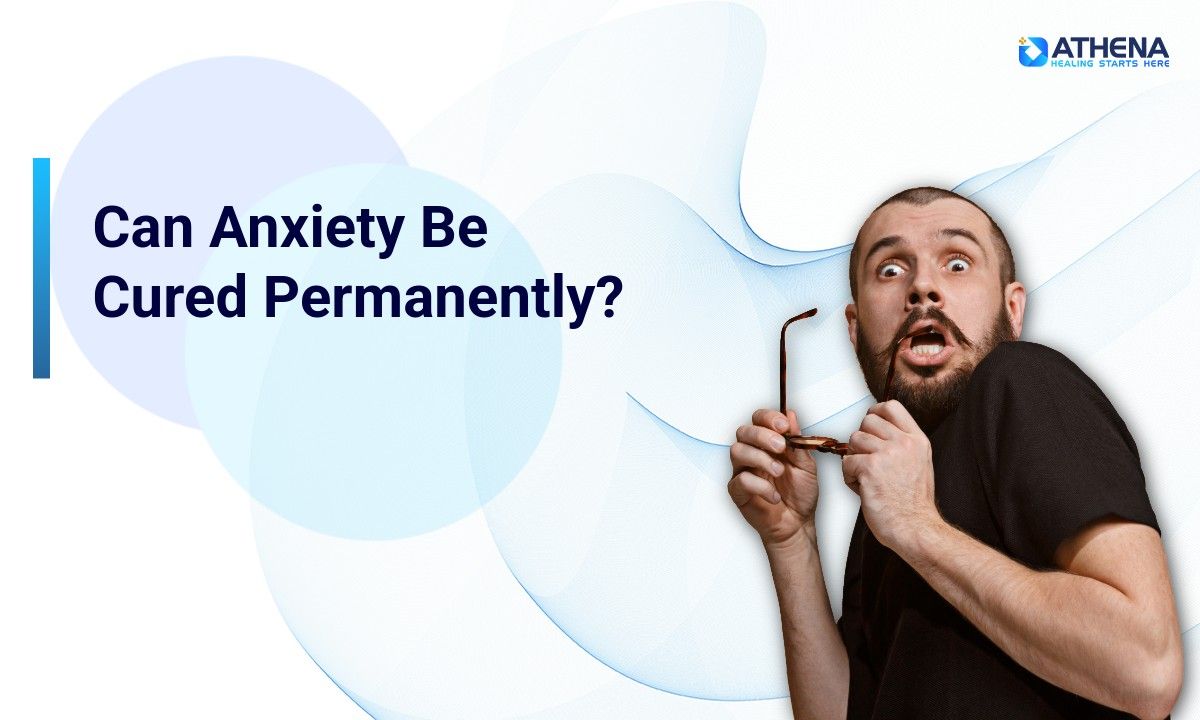

Anxiety disorders are highly treatable, and many people experience long-term relief with the right combination of therapy, medication when appropriate, healthy lifestyle changes, and ongoing support. While there isn't a guaranteed permanent cure for everyone, evidence-based treatment can significantly reduce symptoms, improve daily functioning, and help many individuals maintain lasting recovery.
If you've been asking yourself can anxiety be cured permanently, you're not alone. Many people hope for a future where anxiety no longer controls their lives. While there isn't a universal answer that applies to everyone, professional treatment can help many people achieve long-term symptom relief and a better quality of life. At Athena Behavioral Health, personalized, evidence-based care supports individuals on their journey toward recovery and emotional well-being.
What Does "Permanent Cure" Mean When It Comes to Anxiety?
The phrase can anxiety be cured permanently often means different things to different people. Some hope anxiety will disappear forever, while others simply want to stop feeling overwhelmed every day.
It's important to understand the difference between normal anxiety and an anxiety disorder.
Feeling anxious before an exam, interview, or major life event is a natural response. However, an underlying anxiety disorder involves persistent fear or worry that continues even when there is little or no immediate threat, interfering with work, relationships, sleep, and everyday activities.
Common anxiety disorders include:
Generalized Anxiety Disorder (GAD)
Panic Disorder
Social Anxiety Disorder
Specific Phobias
For many people, treatment leads to remission, where symptoms become minimal or disappear for extended periods. Although stressful life events may occasionally trigger symptoms again, learning how to overcome anxiety and fear equips individuals with effective coping strategies and ongoing support to prevent anxiety from becoming overwhelming.
Can Anxiety Be Cured Permanently?
One of the most common questions mental health professionals hear is can anxiety be cured permanently.
Current research suggests that anxiety disorders are among the most treatable mental health conditions. Many individuals experience substantial improvement, and some remain symptom-free for years after completing treatment. However, mental health experts generally focus on long-term recovery rather than promising a permanent cure for everyone.
Recovery varies because every person experiences anxiety differently.
Several factors influence treatment outcomes, including:
The type of anxiety disorder
How long symptoms have been present
Symptom severity
Overall physical and mental health
Consistency with treatment
Family and social support
Willingness to practice coping skills
Seeking professional care early often improves the likelihood of achieving lasting symptom control.
What Treatment Actually Achieves
Instead of asking only can anxiety be cured permanently, it's equally valuable to understand what effective treatment can realistically accomplish.
Modern anxiety treatment focuses on reducing symptoms, improving daily functioning, and helping individuals build long-term resilience.
Psychotherapy
Psychotherapy is considered one of the most effective treatments for anxiety disorders.
Cognitive Behavioral Therapy (CBT) helps individuals identify negative thought patterns and replace them with healthier ways of thinking and responding. Other therapeutic approaches, such as Acceptance and Commitment Therapy (ACT) and exposure-based therapies when appropriate, may also be recommended depending on the individual's diagnosis.
Therapy provides practical coping skills that remain valuable long after treatment ends.
Medication
Some people benefit from medication, particularly when anxiety symptoms are moderate to severe.
Psychiatrists may prescribe antidepressants or other medications to help regulate symptoms while therapy addresses underlying thought patterns and behaviors.
Medication decisions should always be individualized and monitored by qualified healthcare professionals.
Lifestyle Changes
Healthy daily habits can strengthen treatment outcomes.
Helpful lifestyle strategies include:
Regular physical activity
Consistent sleep routines
Balanced nutrition
Limiting caffeine and alcohol when advised
Mindfulness and breathing exercises
Stress management techniques
These habits support emotional resilience and complement professional treatment.
Personalized Treatment Plans
No single treatment works for everyone.
Many people experience the best outcomes through personalized care that addresses overlapping concerns. For instance, unaddressed emotional distress can sometimes coexist with depression treatment. In complex cases, individuals may navigate co-occurring challenges such as anxiety and addiction treatment or depression and addiction treatment, both of which require an integrated approach to care.
Signs That Anxiety Treatment Is Working
Recovery often happens gradually rather than overnight.
Some of the earliest signs of progress include:
Emotional Improvements
Reduced excessive worrying
Better emotional balance
Increased confidence
Greater ability to handle uncertainty
Physical Improvements
Better sleep quality
Fewer panic attacks
Reduced muscle tension
Improved concentration
More energy throughout the day
Improvements in Daily Life
Treatment often helps people:
Return to work or studies with greater confidence
Rebuild relationships
Participate in social activities
Enjoy hobbies again
Feel more in control of daily responsibilities
These improvements are meaningful indicators that treatment is supporting long-term recovery.
Can Anxiety Return After Treatment?
Even after significant improvement, some people wonder can anxiety be cured permanently if symptoms occasionally return.
Experiencing temporary anxiety during stressful situations does not necessarily mean treatment has failed. Many individuals experience brief periods of increased anxiety during major life transitions, illness, work-related stress, or personal loss.
The difference is that people who have received effective treatment often recognize symptoms earlier and use coping strategies before anxiety becomes overwhelming.
Maintaining healthy routines, attending follow-up appointments when needed, and practicing learned coping skills can reduce the likelihood of relapse.
For those experiencing sudden intense surges of fear, utilizing techniques on how to stop panic attacks can make management far easier. Specialized panic disorder care can also prevent relapses.
When Should You Seek Professional Help?
Everyone feels anxious occasionally, but persistent symptoms deserve professional attention.
Consider seeking help if you experience:
Constant worry lasting several weeks or months
Frequent panic attacks
Difficulty sleeping because of anxiety
Avoiding work, school, or social situations
Trouble concentrating
Physical symptoms such as rapid heartbeat, sweating, or muscle tension
Anxiety interfering with relationships or everyday responsibilities
Early assessment allows professionals to identify the most appropriate treatment plan before symptoms become more severe.
Why Early Treatment Makes a Difference
People searching can anxiety be cured permanently often wait months or even years before seeking support.
Early intervention can reduce symptom severity, improve recovery outcomes, and help individuals regain confidence sooner. Addressing anxiety before it significantly affects work, education, relationships, or physical health often leads to better long-term results.
Professional guidance also helps distinguish anxiety disorders from other medical or mental health conditions that may require different treatment approaches.
Conclusion
So, can anxiety be cured permanently? The answer depends on the individual, the type of anxiety disorder, and the treatment received. While no treatment can guarantee that anxiety will never return, evidence-based care has helped millions of people achieve long-lasting recovery and lead fulfilling lives.
The goal of treatment is not simply to eliminate symptoms temporarily but to build the skills, resilience, and confidence needed to manage life's challenges with greater ease. With the right professional support, many individuals experience meaningful improvement that lasts for years.
Find Professional Anxiety Treatment at Athena Behavioral Health
If anxiety is affecting your daily life, professional support can help. Athena Behavioral Health offers personalised anxiety treatment through comprehensive assessments, evidence-based therapies such as Cognitive Behavioural Therapy (CBT), medication management when appropriate, and ongoing support tailored to your needs. With an experienced team of mental health professionals, Athena helps individuals manage anxiety, build healthy coping strategies, and work toward long-term emotional well-being.