
De-Addiction Centre in Guwahati
Athena Behavioral Health runs a de-addiction centre in Guwahati where each plan is written for one person, after a doctor has listened to their story and checked their health.
- A Full Medical and Mental Health Review First
- Round-the-Clock Care During Withdrawal
- Talk Therapy That Tackles Cravings and Triggers
- Medicines Only When the Doctor Decides
- Family Meetings From the Start
- A Written Plan and Check-Ins After You Leave
Book Your Appointment

De-Addiction Centre in Guwahati: It Is Never Too Soon to Ask for Help
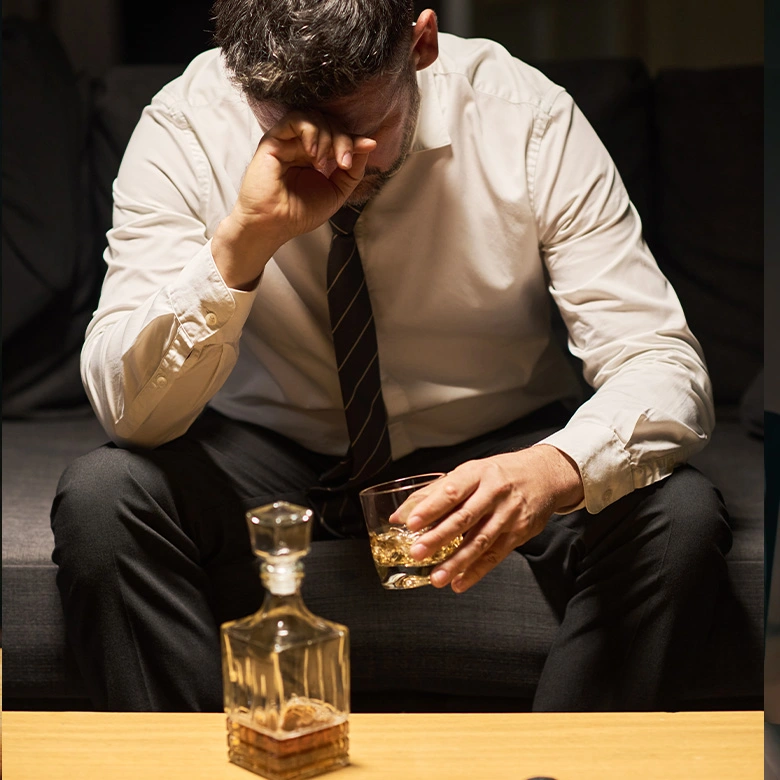
Most families in Assam and across the Northeast who contact a de-addiction centre in Guwahati say the same thing: they noticed the change long before they spoke about it. A person who used to be dependable starts missing commitments. Money goes unexplained. Evenings that once ended at dinner now end in an argument, or in silence. Whether the cause is alcohol, brown sugar, tablets, cannabis or something else, the pattern is the same, and it rarely fixes itself.
At Athena Behavioral Health, drug addiction treatment in Guwahati begins with understanding, not labelling. A psychiatrist asks how use began, what it does for the person and what happens when they try to stop, then explains the picture in plain terms. Many families tell us that this first honest explanation is when hope returns.
"If someone has seizures, hallucinations, severe confusion, chest pain, repeated vomiting or very slow breathing, treat it as an emergency. Call 112 or go to the nearest hospital immediately. People who drink heavily every day, or take sedative tablets or opioids regularly, should not stop suddenly without medical advice. "
Our Dedicated Treatment Team for De-Addiction Centre in Guwahati

Prof. (Dr.) Nimesh G. Desai

Dr. Sushil Agarwalla

Dr. Sahil Agarwal
Your First 48 Hours With Us
A Quiet Welcome
You are met in a private room by someone who listens before any form comes out.
A Careful Health Check
A doctor reviews your vitals, your use, your medicines, and any risk of dangerous withdrawal, and orders only the tests you need.
Safe Withdrawal, If Required
Nurses and doctors stay close through the night and day, so nobody goes through the hardest hours alone.
Counselling Begins Early
A therapist starts short, gentle conversations as soon as you feel ready, rather than waiting for detox to end.
Family Brought Into the Picture
With your consent, we explain what to expect and how loved ones can help without pressure or blame.
A Plan You Can Hold
You see your goals, your risky moments and your emergency contacts on one page before you settle into the routine.
Clinical Excellence
Doctors Who Understand Addiction From the Inside Out
Our psychiatrists and psychotherapists give addiction their full attention, not a share of it. They are used to the shaking of early withdrawal, the pull of cravings, and the shame that often hides everything else, so they can move you forward without making you start from scratch at every visit.

Dependence is seldom caused by one thing. A stressful job, a loss in the family, an untreated anxious mind, peer pressure or years of using to get through the day can all play a part, and each strengthens the others. Your doctor looks at your whole life, not only the substance.
Continuity matters, too. One lead doctor stays with you wherever possible, because trust grows when you do not have to retell your story. It is easier to be honest about a bad night when the person across the table already knows the ones before it.
This steady, specialist focus is what people hope for in a rehab centre in Guwahati, and it gives each patient a clear and reliable path to lasting recovery.
Modern Lifetime Challenges
Why Addiction Can Stay Hidden in a Fast-Growing City Like Guwahati
Guwahati is the gateway to the Northeast, and it draws students, job-seekers and traders from across the region. Many live away from their families, work irregular hours or travel often, and alcohol is a normal part of weddings, festivals and gatherings. Tobacco with betel nuts is so ordinary that its harm is easily overlooked. When use looks normal, it can go unquestioned for a long time.
What begins as a social habit, a way to cope with stress or a way to sleep can slowly become a need. The change is usually so gradual that neither the person nor the family can say exactly when it happened, and by then it has often touched health, work and relationships.
Social Use: Occasional use in particular settings, with no effect on sleep, work, health or relationships.
Dependence: Failed attempts to cut down, strong cravings, needing more for the same effect, and withdrawal such as shaking, poor sleep, anxiety or irritability when use stops.
Find Your Starting Point: Care Options in Guwahati
Every route below can be chosen, combined or changed as you recover. Your doctor will recommend a starting point after the first assessment.
| Live-In Recovery | Day Programme | Clinic Visits (OPD) | |
| Where you sleep | At the centre | At home | At home |
| Doctor contact | Daily | A few times a week | Weekly or fortnightly |
| Typical length | 1 to 3 months | 4 to 8 weeks | Ongoing |
| Best when | Triggers at home are strong, or earlier attempts failed | Home is stable but support is needed daily | Use is early and work or study cannot stop |
| Family role | Weekly sessions and visits | Evening check-ins | Optional joint sessions |
Timings are typical ranges only, and your doctor sets the real duration after assessment.
Signs That Use Has Crossed a Line
Families often wait because the signs can be explained away as stress or a phase. If several of these feel familiar, for someone you love or for yourself, book an assessment instead of hoping it passes.
Hands That Shake in the Morning
Trembling, sweating or nausea soon after waking up. This can mean the body now depends on the substance, so speak to a doctor before stopping suddenly.
Sleep and Appetite Out of Order
Odd sleeping hours, skipped meals or sudden weight change. Poor sleep and eating also make cravings and low mood harder to manage.
Secrets and Shifting Stories
Hidden bottles, tablets or packets, and explanations that keep changing. This is often driven by shame and fear of judgement, not simple dishonesty.
Work or Studies Slipping
Missed deadlines, falling grades or a manager asking questions. A visible dip usually means the problem has been growing for longer than it looks.
Money and Belongings Disappearing
Unexplained withdrawals, borrowing or items missing from the home. Raise it gently and without accusation, especially when other signs are also present.
Sharp Reactions When It Is Mentioned
Anger, defensiveness or flat denial, even when the signs are clear to everyone. Denial is often part of dependence, so choose a calm, private moment and try again if needed.
Not Sure If This Is You? Talk to a Specialist
Confidential Support, available 24×7
ABOUT THERAPY AT ATHENA
The Four Stages of Care at Our Nasha Mukti Kendra in Guwahati
Stage One: Understand
A psychiatrist and psychologist review your use, health, mental wellbeing and home life, then agree a plan with you.
Stage Two: Stabilise
When your body needs it, withdrawal is managed under medical watch so it stays safe and as comfortable as it can be.
Stage Three: Retrain
CBT and motivational counselling help you spot triggers, ride out cravings and replace old habits with routines that work.
Stage Four: Hold the Gains
Before you leave, you receive a written relapse-prevention plan, follow-up dates and a clear way to come back if things get hard.
Why Choose Us
One Team Looking After Mind and Body

Your psychiatrist and therapist plan together, so the medical side of withdrawal and the emotional side of triggers and thoughts are handled as one. When both share the same picture of your progress, changes in sleep, mood or cravings are acted on that week, not left for the next scheduled meeting. This joined-up approach is what families look for in a nasha mukti kendra in Guwahati that treats addiction as a health condition and not as a lack of willpower. It also means you never have to explain the same problem twice to different people.
Leaving the centre is not the end of care. Every patient goes home with a written relapse-prevention plan, their own coping strategies on paper, and a way back if a hard stretch threatens progress. We also schedule follow-up check-ins, so you know exactly who to call on a difficult day. Asking again for help never means starting from zero, and nobody is judged for needing another review.
If you work, study or travel often, our fast and confidential care is built for that reality. Even a few days away can feel risky, whether it is about deadlines, exams or questions from colleagues and neighbours. That is why privacy and speed are treated as priorities, and why admission and family updates follow your wishes. The plan is designed to keep time away efficient, without cutting corners on the quality of care.
How We Help
From Your First Message to Life After Treatment
Making contact is usually the hardest step. Here is what follows.
Call or WhatsApp our care line. Emergencies get an immediate response, and the first appointment can usually be arranged the same day.
A psychiatrist reviews your use, symptoms and history in person, or in a private online session if travelling from elsewhere in the Northeast is difficult.
The plan combines detox, therapy and family involvement, shaped around your situation.
Follow-up sessions and stronger coping skills carry your progress well beyond the first phase of treatment.
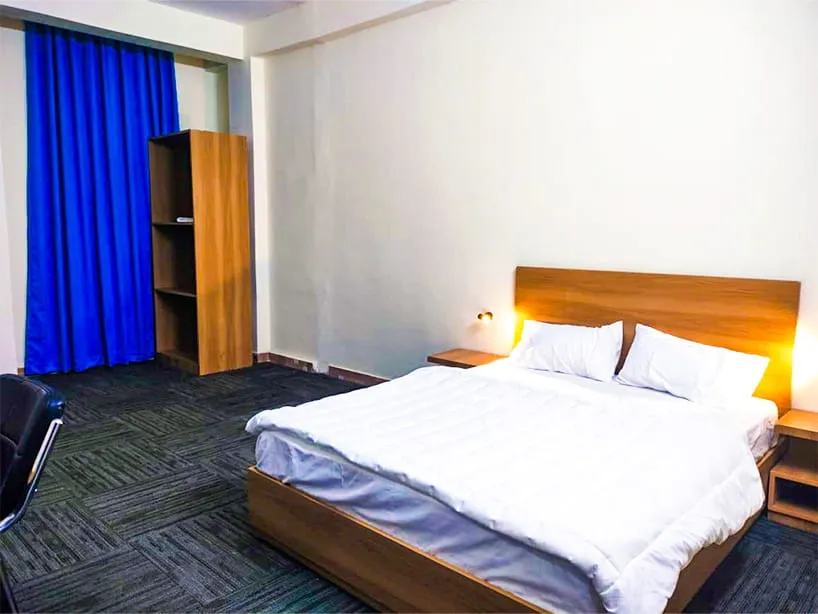
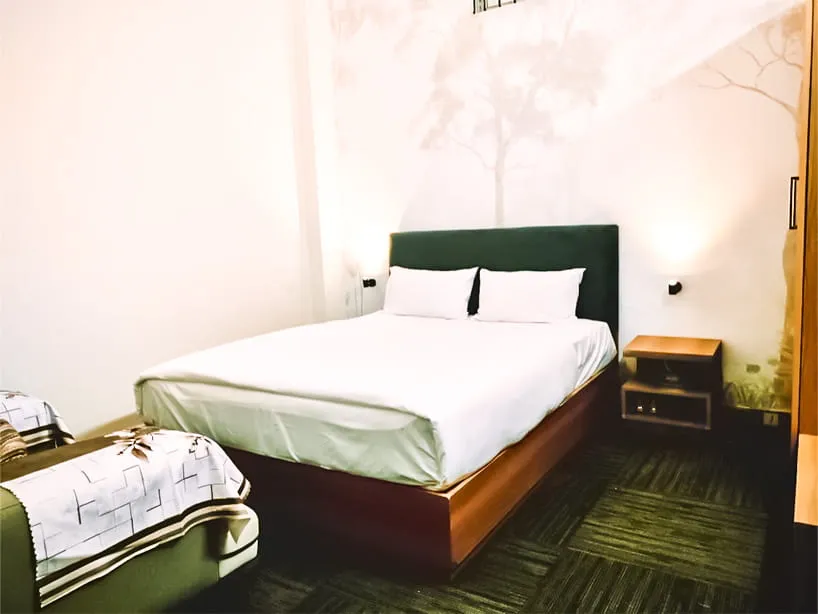
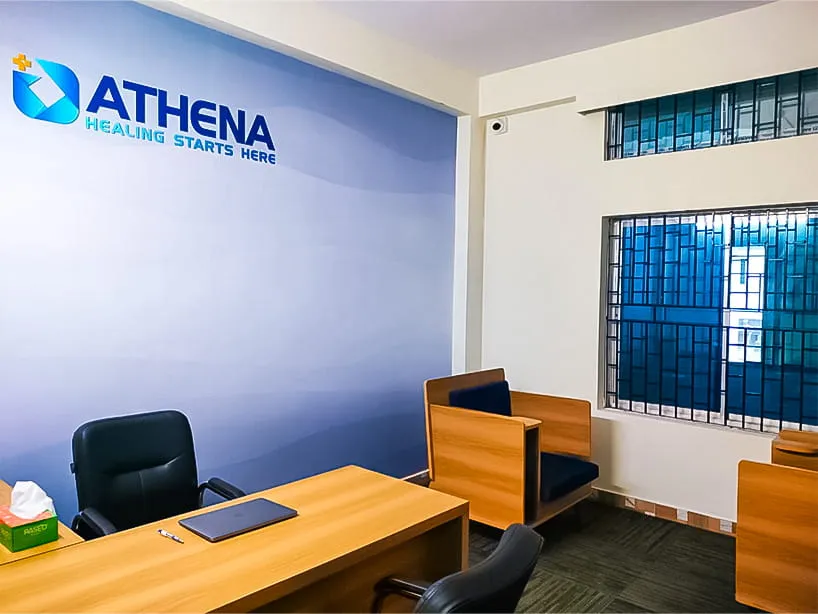
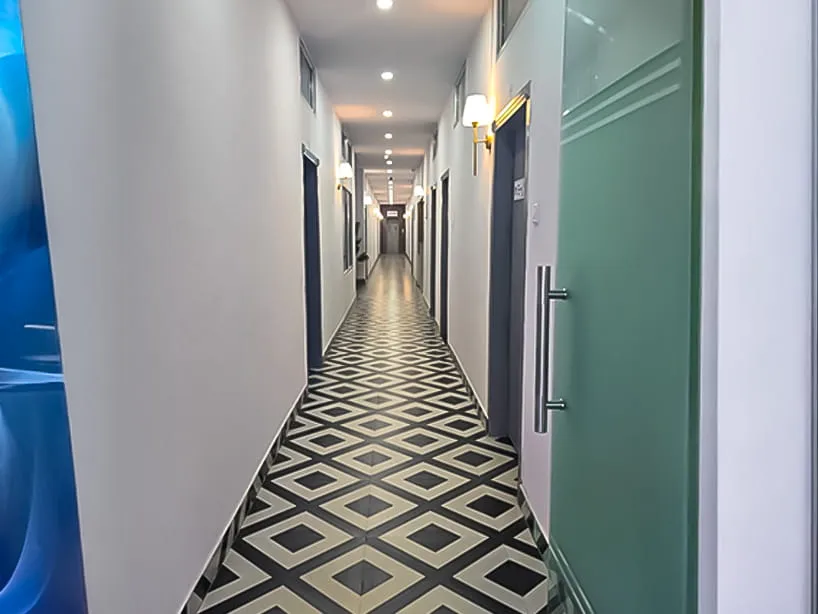
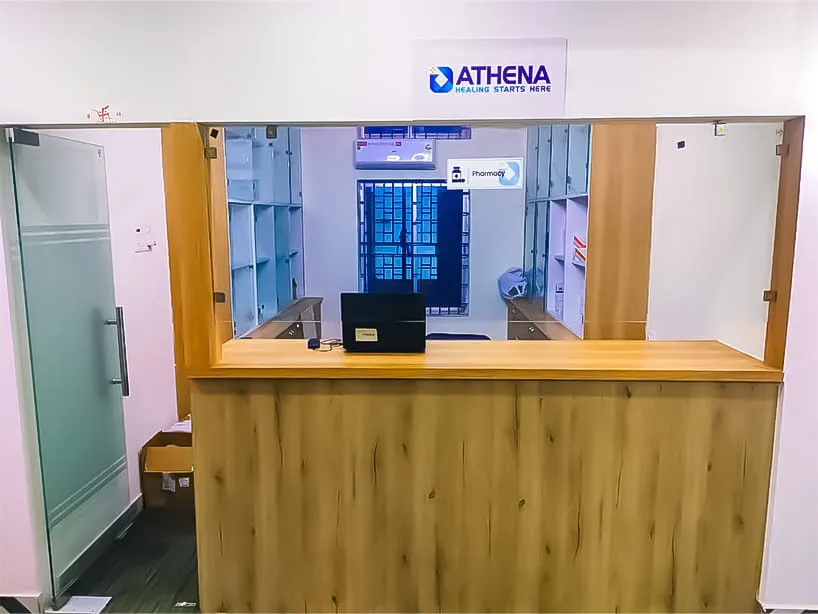
Take a Look Inside Our Guwahati Facility



Conditions We Treat















.png)






WHAT OUR PATIENTS SAY
Frequently Asked Questions
Judge on facts, not slogans: registration under the Mental Healthcare Act, doctor-led treatment, overnight medical cover, supervised detox, family involvement, written aftercare and clear costs. Visit if you can and ask to see the registration certificate.
A psychiatric assessment, supervised detox if needed, therapy such as CBT, family sessions and a written aftercare plan. The mix depends on the substance, how long it has been used and any anxiety or depression alongside it.
Public hospitals in Assam run drug de-addiction services, and published information lists a drug de-addiction OPD and ward at Gauhati Medical College and an addiction treatment facility at AIIMS Guwahati. A private centre may suit you better if you want private rooms, flexible timings or admission without a wait.
Yes, a private video or phone consultation is a good first step if you are coming from elsewhere in Assam or the Northeast and cannot travel straight away.
Call us yourself first and ask what the first consultation involves. People are often more willing once someone close can describe it, instead of guessing.
Mostly yes, Nasha mukti kendra is the common Hindi term. What matters is that the centre is licensed and doctor-led, with medical detox and therapy, not just a place to stay.
Yes, Opioids such as brown sugar, prescription and over-the-counter tablets and syrups, cannabis, stimulants, tobacco and behavioural habits such as gaming and gambling are all assessed and treated. Withdrawal from some of these needs closer medical care, which the doctor will plan.
Not safely after heavy, regular use. Sudden withdrawal from alcohol or sedative tablets can cause seizures and confusion, so please speak to a doctor first.
Appointments follow a set schedule and consultations are held in closed rooms, so discretion is routine, not a special request. Details are not shared without your consent.
The psychiatrist spends time on your history, current use, health, mood and daily life. You leave with a clear recommendation, and you are never obliged to be admitted.
How to reach Athena - Guwahati
Athena Behavioral Health, Guwahati
Athena Behavioral Health, Guwahati, Assam
Landmark: Guwahati
- Guwahati City
- Northeast India region
Contact us: +919289086193
Speak to Our Care Team - 24×7 Confidential Support
Confidential help is just a call or chat away. Our team is ready to listen - without judgment, without pressure.
