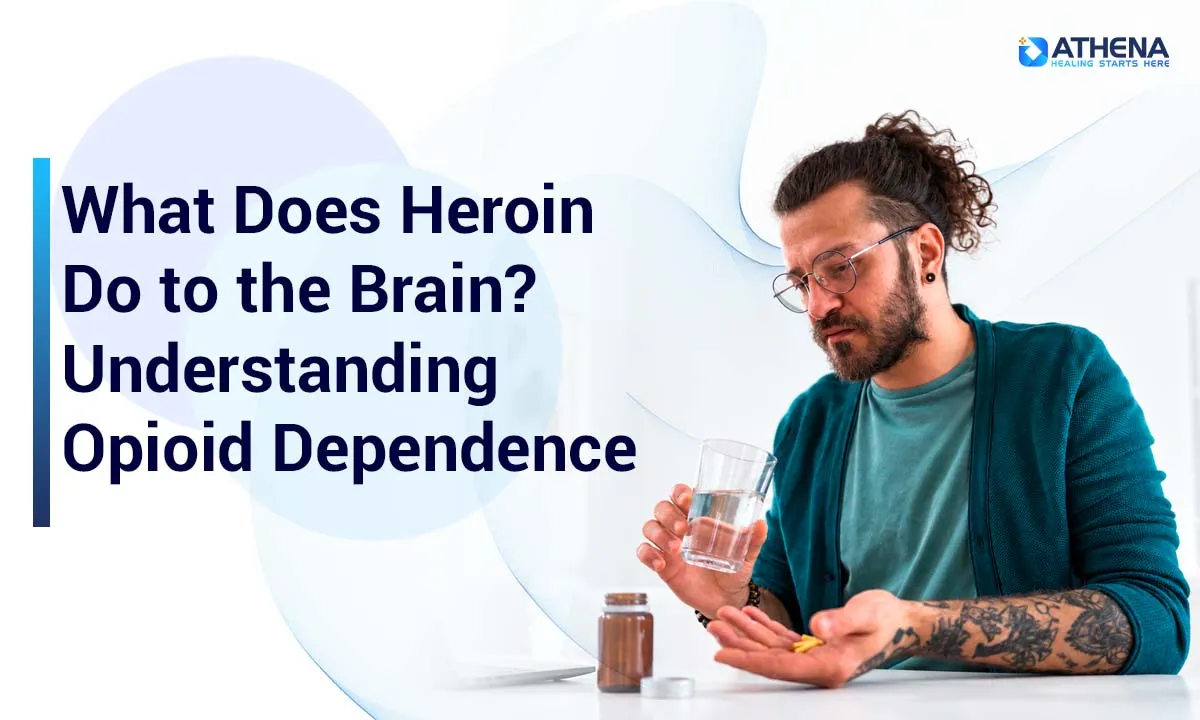

How heroin affects the brain begins with rapid activation of mu-opioid receptors, influencing pain, reward, mood and breathing. Repeated exposure can alter the brain’s reward and stress systems, contributing to tolerance, dependence, cravings and withdrawal. These changes can make stopping difficult, but evidence-based treatment can support recovery and long-term stability.
Heroin affects the brain by rapidly activating opioid receptors after it reaches the central nervous system. It can produce euphoria and pain relief while influencing the brain’s reward pathways. With repeated use, the brain adapts, contributing to tolerance, dependence and cravings. Understanding these changes helps explain why recovery often requires more than simply stopping.
How Heroin Affects the Brain
Heroin is an opioid derived from morphine. Once it enters the bloodstream, it reaches the brain quickly and is converted into morphine. The morphine then binds to mu-opioid receptors, which are involved in pain perception, reward, emotion and other essential functions.
This interaction can produce an intense rush, followed by feelings of warmth, calmness and reduced pain. At the same time, opioid activity affects the brain’s reward circuitry, reinforcing the behaviour associated with taking the drug.
The important point is that heroin does not affect just one part of the brain. It influences interconnected systems responsible for reward, motivation, pain, emotional regulation, decision-making and stress. With repeated exposure, these systems can adapt to the presence of the drug.
Heroin, Opioid Receptors and the Reward System
One reason heroin can become highly reinforcing is its effect on the brain’s reward system. Activation of mu-opioid receptors in reward-related areas can increase dopamine signalling, producing a powerful but short-lived sense of pleasure and reinforcing drug-taking behaviour.
Over time, repeated exposure can change how the reward system responds. Natural rewards may feel less satisfying, while cues associated with heroin can become increasingly powerful. This can contribute to a cycle in which obtaining and using heroin takes priority over everyday activities.
This is an important part of understanding how heroin affects the brain: addiction is not simply about wanting a pleasurable experience. As dependence develops, continued use may increasingly be driven by cravings and the desire to avoid withdrawal.
How Heroin Changes Brain Function Over Time
The brain constantly adjusts to repeated chemical stimulation. When opioid receptors are repeatedly activated, the nervous system adapts. Tolerance can develop, meaning a person may need more of the drug to experience an effect similar to what they previously felt.
Physical dependence is different from addiction, although the two often occur together. Dependence means the body has adapted to the drug and may experience withdrawal when it is reduced or stopped. Addiction, or substance use disorder, involves persistent, difficult-to-control use despite harmful consequences.
These changes help explain why stopping heroin can be challenging even when someone genuinely wants to quit.
Heroin and Dopamine
Dopamine is involved in motivation, learning, and reward. Heroin does not simply “flood the brain with dopamine” in the same way as some simplified explanations suggest. Instead, opioid receptor activation influences reward circuitry and dopamine release, strengthening associations between heroin use and perceived reward.
Repeated use can alter dopamine-related signalling and reward processing. As a result, a person may experience reduced interest in ordinary sources of pleasure while drug-related cues become more salient.
Heroin and Decision-Making
Brain systems involved in judgement, impulse control and planning can also be affected by substance use and dependence. Cravings, stress and learned associations can compete with long-term goals, making it harder to make decisions that support recovery.
This does not mean that a person loses all control or that addiction makes responsible decision-making impossible. It means that dependence can create powerful biological and behavioural pressures that are difficult to overcome without appropriate support.
What Are the Long-Term Effects of Heroin on the Brain?
The long-term effects vary between individuals and can be influenced by factors such as duration and intensity of use, other substances, overall health, and complications related to drug use.
Possible effects include changes in:
Reward and motivation
Attention and concentration
Emotional regulation
Decision-making
Stress responses
Craving and drug-related learning
Long-term heroin use can also contribute to serious health complications, including respiratory problems and infections, particularly when the drug is injected. Overdose is another major risk because opioids can suppress breathing.
It is therefore more accurate to discuss heroin-related brain changes in terms of altered function and neuroadaptation rather than automatically describing every case as permanent brain damage.
Why Does Heroin Cause Cravings?
Cravings are more than simply remembering that heroin felt pleasurable. The brain can learn associations between drug use and specific people, places, emotions, routines, or situations.
For example, a person may experience a sudden craving when they encounter an environment associated with previous use or when they feel stressed, lonely, or physically uncomfortable. These cues can activate learned reward and motivation pathways.
This helps explain how heroin affects the brain beyond the immediate effects of the drug. Repeated use can strengthen the connection between certain cues and the expectation of relief or reward.
Cravings can also continue after the acute withdrawal period has passed. This is one reason why detoxification should be viewed as an initial stage of care rather than a complete recovery plan.
What Happens to the Brain During Heroin Withdrawal?
When someone with physical dependence stops taking heroin, the brain and body have to adjust to the sudden absence of opioid activity. Withdrawal can involve both physical and psychological symptoms.
Common symptoms include:
Restlessness and anxiety
Muscle and bone aches
Sweating and chills
Nausea, vomiting or diarrhoea
Sleep difficulties
Strong cravings
Athena Behavioral Health notes that heroin withdrawal can begin within hours of the last dose and can become particularly difficult during the early stages.
Withdrawal itself is usually not the same as an overdose, but unsupervised withdrawal can be difficult to manage and may increase the likelihood of returning to use. After a period of reduced use, tolerance can fall, making relapse particularly dangerous.
Can the Brain Recover After Heroin Addiction?
Recovery is possible, but there is no single timeline that applies to everyone.
The brain is capable of adaptation and change. As heroin use stops and treatment continues, reward, stress and behavioural systems can gradually adjust. Recovery may be supported by appropriate medication, therapy, stable routines, sleep, nutrition, social support and treatment of co-occurring mental-health concerns.
The goal is not simply to remove heroin from the body. Effective recovery also addresses the factors that contributed to continued use and helps a person develop practical ways to manage cravings, stress and difficult emotions.
That is why understanding how heroin affects the brain matters: it replaces the idea of addiction as a simple lack of willpower with a more accurate understanding of a complex, treatable health condition.
When Should Someone Seek Help for Heroin Dependence?
Professional support is worth considering if heroin use has become difficult to control or if someone experiences withdrawal, repeated unsuccessful attempts to stop, persistent cravings or continued use despite serious consequences.
Immediate professional assessment is especially important when heroin is being mixed with alcohol, benzodiazepines or other substances, when there has been an overdose, or when the person is experiencing significant physical or mental-health concerns.
Athena Behavioral Health describes its heroin addiction programme as psychiatry-led and personalised, with assessment of substance-use patterns, withdrawal history, physical health, mental health and relapse risk.
How Is Heroin Addiction Treated?
Treatment for opioid use disorder can combine medication with counselling and behavioural therapies. SAMHSA identifies buprenorphine, methadone and naltrexone as approved medications for opioid use disorder, including disorders involving heroin.
Treatment may include:
Medically Supervised Detox
Detoxification helps manage withdrawal and provides medical monitoring during the early stage of stopping heroin. However, detox alone does not address the longer-term psychological and behavioural aspects of addiction.
Medication for Opioid Use Disorder
Medication can reduce withdrawal symptoms and cravings and, depending on the medication and clinical circumstances, help reduce the risk associated with continued illicit opioid use. The appropriate option should be determined by a qualified clinician.
Therapy and Counselling
Evidence-based therapies such as cognitive behavioural therapy can help people identify triggers, develop coping strategies and change patterns that contribute to substance use.
Exploring practical steps on
Dual-Diagnosis Care
Depression, anxiety, trauma and other mental-health concerns can occur alongside opioid use disorder. Dispelling common
Relapse Prevention and Aftercare
Long-term support can include therapy follow-ups, medication management where appropriate, psychiatric care, family support and strategies for managing high-risk situations. Understanding the reality of what happens when you admit someone to rehab can help reduce apprehension for families planning long-term care.
Athena’s current programme describes a comprehensive approach combining medically supervised detox, medication-based treatment where clinically appropriate, individual counselling, CBT, motivational enhancement therapy, dual-diagnosis care, family counselling and structured aftercare.
How Athena Behavioral Health Supports Heroin Addiction Recovery
Understanding how heroin affects the brain is only one part of recovery. The next step is receiving care that addresses the physical dependence, psychological factors and circumstances surrounding substance use.
Athena Behavioral Health describes its heroin addiction treatment as psychiatry-led, personalised and confidential, with care available through residential and outpatient settings depending on an individual's clinical needs. Its treatment pathway includes psychiatric evaluation, medically supervised detoxification, medication-based treatment where appropriate, psychotherapy, dual-diagnosis care, relapse prevention and aftercare.
The clinical team listed by Athena includes psychiatrists and a clinical psychologist, supporting its multidisciplinary treatment model.
Take the First Step Toward Recovery With Athena Behavioral Health
Understanding how heroin affects the brain can help explain why dependence is difficult to overcome, but knowledge does not have to end with understanding. Recovery can begin with a professional assessment and a treatment plan built around the individual's needs.
If you or someone you care about is struggling with heroin dependence, learning how
Speak with Athena Behavioral Health to discuss the next step toward recovery. Their treatment team states that enquiries and assessments are confidential and provides support for people seeking heroin addiction care.
Explore Athena Behavioral Health's Heroin Addiction Treatment