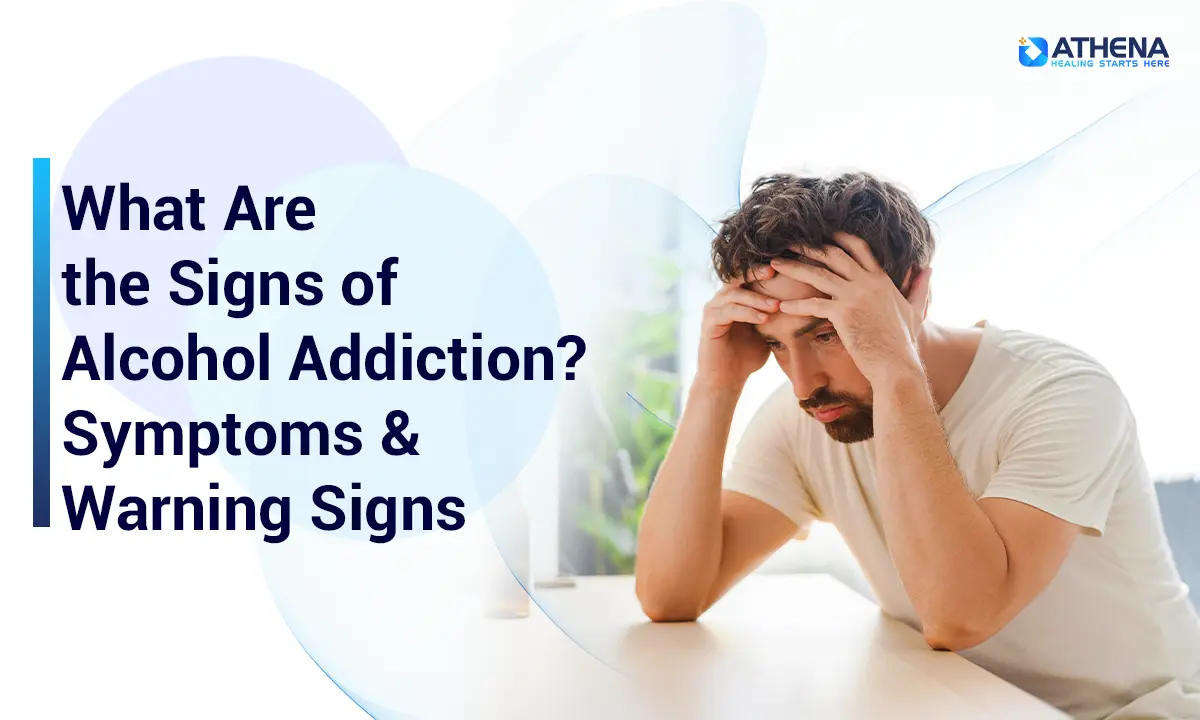

Addiction to alcohol is seldom something that happens suddenly. It slowly creeps up on you, often camouflaged by stress reduction or a means to relax after a tough day. Before other people can recognize that there is a problem, most people have already been physically and psychologically dependent on alcohol for some time. Being able to spot the warning signs of alcohol addiction, otherwise known as alcohol use disorder (AUD), may be the thing that makes all the difference in seeking help before years pass.
What Is Alcohol Addiction?
Alcohol addiction is known medically as Alcohol Use Disorder (AUD) and is a disease where the patient cannot help but consume alcohol even though there are repercussions on their health, relationships, or other aspects of their lives. The difference between alcohol addiction and social drinking is that:
Casual Drinking | Alcohol Addiction |
Drinking occasionally in social settings | Drinking regularly, often alone or in secret |
Able to stop after one or two drinks | Difficulty stopping once drinking starts |
No negative impact on daily life | Interferes with work, relationships, or health |
Drinking is a choice, not a need | Feels a compulsive need or craving to drink |
No withdrawal symptoms when not drinking | Experiences withdrawal symptoms without alcohol |
AUD exists on a spectrum, ranging from mild to severe, and can affect anyone regardless of age, background, or lifestyle.
Physical Signs of Alcohol Addiction
The body often shows the first visible signs of a developing dependence. Common physical symptoms include:
Increased tolerance: Needing more alcohol over time to feel the same effects.
Withdrawal symptoms: Shaking, sweating, nausea, headaches, or anxiety when not drinking.
Neglected appearance: Declining personal hygiene or grooming habits.
Changes in sleep patterns: Insomnia or excessive sleepiness.
Appetite changes: Skipping meals or noticeable weight fluctuations.
Frequent hangovers: Regularly experiencing the physical aftereffects of heavy drinking.
Bloodshot eyes or flushed skin: Visible physical effects of consistent alcohol use.
Behavioral Signs of Alcohol Addiction
Changes in behavior are very common when dependency is formed. Look out for:
- Consuming alcohol alone or hiding it from other people.
- Multiple but failed efforts to reduce consumption or stop altogether.
- Placing drinking ahead of jobs, studying, or family duties.
- Risky behavior under the influence, such as driving.
- Continued consumption even after evident adverse effects.
- A need for alcohol to feel “normal” all day long.
Psychological and Emotional Signs of Alcohol Addiction
Addiction to alcohol has equal implications for one's mental and emotional well-being as it does for physical well-being. Symptoms include:
- Frequent mood swings or irritability.
- Anxiety or signs of depression caused by alcohol consumption habits.
- Denial regarding one's consumption amount and frequency.
- Consumption of alcohol as the main method of coping with stress, unhappiness, or other emotions.
- Guilt or shame regarding alcohol consumption along with continuation regardless.
- Disinterest in hobbies or activities previously of interest.
Social and Relationship Warning Signs
Alcohol addiction symptoms rarely stay contained to the individual. It often spills into relationships and responsibilities:
Area Affected | Common Warning Signs |
Family relationships | Increased conflict, broken trust, emotional distance |
Friendships | Withdrawing from social circles that don't involve drinking |
Work or school | Missed deadlines, absences, declining performance |
Legal matters | DUIs, public intoxication charges, legal disputes |
Finances | Spending beyond means on alcohol, unpaid bills |
Early Warning Signs vs. Advanced Symptoms of Alcohol Addiction
Alcohol addiction typically progresses in stages. Recognizing where someone falls on this spectrum can help determine the urgency of intervention.
Stage | Common Signs |
Early stage | Drinking to relax, mild tolerance increase, occasional overindulgence |
Middle stage | Regular heavy drinking, hiding alcohol use, minor withdrawal symptoms |
Advanced stage | Physical dependence, severe withdrawal, health complications, loss of control over drinking |
The earlier the signs are addressed, the easier recovery tends to be, both physically and psychologically.
Health Risks of Untreated Alcohol Addiction
Left untreated, alcohol addiction can lead to serious short-term and long-term health consequences:
Short-term risks:
- Impaired judgment and coordination
- Alcohol poisoning
- Accidents or injuries
Long-term risks:
- Liver disease, including cirrhosis
- Cardiovascular problems
- Weakened immune system
- Increased risk of certain cancers
- Cognitive decline and memory issues
- Worsened mental health conditions
When to Seek Help
Sometimes it can be challenging to distinguish whether casual drinking has turned into an addiction. You may want to consult a professional if:
- Drinking is impacting your personal life, work, and health.
- Previous attempts to reduce drinking have been unsuccessful.
- You are experiencing alcohol withdrawal symptoms without drinking.
- Drinking is required for you to function properly during the day.
- Your friends and family members are worried about your drinking behavior.
Talking with a medical professional will be a good place to start. They will be able to evaluate how severe the problem is and give the right advice on what to do next.
Treatment Options Available
There are multiple paths to recovery, and the right one depends on the severity of the addiction and individual circumstances:
- Medical detox: Supervised withdrawal management for physical dependence.
- Inpatient rehab: Structured, residential treatment for moderate to severe addiction.
- Outpatient programs: Flexible treatment that allows individuals to live at home.
- Therapy and counseling: Individual or group therapy to address underlying causes.
- Support groups: Peer-based programs such as Alcoholics Anonymous (AA).
- Medication-assisted treatment: Medications that help reduce cravings or discourage drinking.
Get Help at Athena Behavioral Health
Athena Behavioral Health provides comprehensive alcohol addiction treatment, offering personalized care plans tailored to each individual's needs. Their programs may include:
- Medically supervised alcohol detox
- Inpatient and outpatient treatment options
- Individual and group therapy sessions
- Dual diagnosis care for co-occurring mental health conditions
- Long-term relapse prevention and aftercare support
Their team works closely with individuals and families to identify the right level of care based on the severity of addiction and personal circumstances, guiding them through every stage of recovery.
Conclusion
Addiction to alcohol progresses slowly, and the symptoms are often easily ignored or rationalized by the addicted individual, particularly when it begins. The first step in addressing alcohol addiction is acknowledging the physical, behavioral, psychological, and social signs of the disorder.
It is never too late for recovery from alcohol addiction. Contacting a doctor or an expert in addiction treatment, such as the professionals at Athena Behavioral Health, will provide you with information regarding the best options available to you.