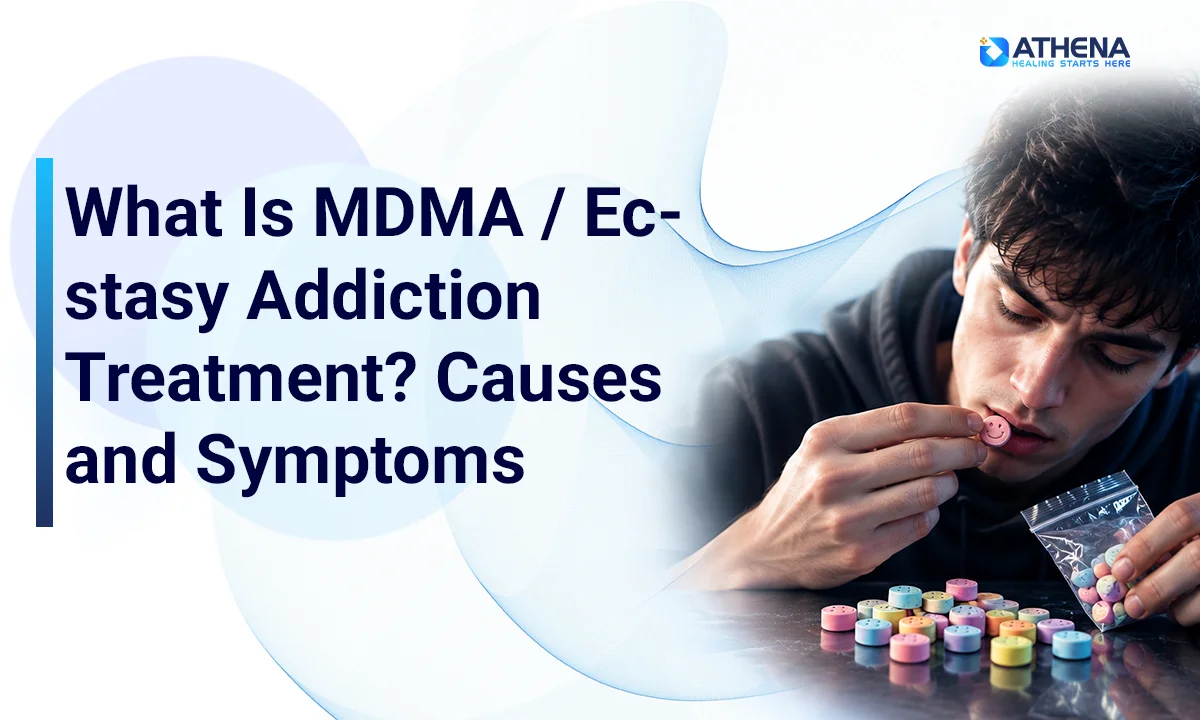

A night out that began as "just once" can slowly turn into a cycle of crashes, anxiety and cravings. If that sounds familiar, you likely want one clear answer: what is MDMA ecstasy addiction treatment, and can it actually help? It is a structured program of detox, therapy and aftercare that helps the brain rebalance and teaches you how to live without the drug. This guide explains how the addiction develops, what to watch for and how recovery works.
Is Ecstasy Addictive? What the Research Says
Many people assume party drugs are harmless because they do not cause the intense physical dependence that opioids do. The reality is more complicated. So, is MDMA addictive? Yes, it can be. The UN estimates that around 20 million people use ecstasy worldwide in a single year, and a share of them develop a pattern of compulsive use.
How addictive is ecstasy compared with other drugs? Research estimates vary, but some studies found that up to 4 in 10 regular users met the criteria for dependence. MDMA floods the brain with serotonin, dopamine and norepinephrine. When the high fades, users feel flat, so they chase the feeling again. Over time, this pattern can develop into a substance use disorder, which is a medical condition and not a lack of willpower.
MDMA Drug Effects on the Brain and Body
Once you do know what the effects of ecstasy are you will have a better understanding of why ecstasy is so addictive. On average, one dose will take about 30-45 minutes to kick in and last for 3-6 hours. These effects are some of the following:
- Very high levels of joy and intimacy.
- A better energy level and alertness
- Teeth grinding, sweating and rapid heartbeat
- High temperature that causes danger to the body.
- Long-term ecstasy abuse may lead to:
- Difficulty remembering things and concentrating.
- Sleep disturbances and chronic anxieties.
- Depression lasts for days after taking the drug.
The Top Causes of Ecstasy Abuse
There is no one single cause of it. In most cases, it is due to a combination of all these:
- To try the drug at clubs, raves or parties, a long time ago.
- Using the drug as a way to deal with stress, shyness and social anxiety
- Depression or anxiety underpinning it
- History of addiction in the family
Users who combine Ecstasy with alcohol or stimulants.People who mix Ecstasy with alcohol or stimulants.
Top Ecstasy Addiction Symptoms to Watch For
Ecstasy addiction symptoms often hide behind normal social behaviour. Many people keep up with work and family while their use quietly grows, a pattern also seen in high-functioning cocaine addiction. Watch for these signs:
- Taking larger doses to feel the same effect
- Failed attempts to cut back
- Spending a lot of money and time on getting and recovering from the drug
- Skipping work, college or family time
- Feeling anxious, empty or irritable between uses
- Continuing to use despite health scares
Two or three of these signs together are a strong signal to seek an assessment.
How Long Does Ecstasy Last? The Addiction Timeline
People often ask how long ecstasy lasts, and the answer has two parts. The high lasts a few hours, but the after-effects and the addiction cycle last far longer.
Stage | Timeframe | What happens |
High | 3 to 6 hours | Euphoria, energy, closeness |
Comedown | 24 to 72 hours | Fatigue, low mood, poor sleep |
Acute withdrawal | 3 to 7 days | Anxiety, cravings, irritability |
Mood recovery | 1 to 3 weeks | Brain chemistry slowly stabilises |
Cravings | Weeks to months | Triggers can bring urges back |
MDMA Withdrawal Symptoms: What to Expect
The withdrawal symptoms for MDMA are mainly psychological; however, it can be very difficult without proper help. The brain is depleted of a lot of serotonin, so it will take time for the mood to return.
- Depression and abrupt mood changes
- Fatigue and insomnia
- Anxiety and panic attacks
- Difficulty concentrating
- Loss of appetite
- Cravings
All of these acute symptoms should clear up within one week, although some low moods can linger up to two weeks, making it very important to seek professional monitoring.
Ecstasy Withdrawal Treatment: How Recovery Works
There is no magic bullet here, hence, the approach for ecstasy detox centers on detoxification, psychological and relapse prevention therapies. At Athena Behavioral Health, the treatment process begins with an individualized treatment program tailored based on an individual’s background, mental state, and objectives. In addition, their addiction programs are tailored for males and females individually, and in doing so, they run the first addiction center for women in India. A typical program will entail:
- A medical assessment aimed at evaluating an individual’s physical well-being.
- Supervised detoxification, which addresses the issue of sleep disturbance, anxiety and depression.
- Cognitive behavioral therapy that seeks to change thoughts that lead to abuse.
- Family therapy to restore trust and confidence.
- Aftercare therapy to ensure sobriety after leaving the facility.
Top Benefits of Professional Ecstasy MDMA Addiction Treatment
Addiction to Ecstasy (MDMA) treatment in rehab has benefits that individual treatment does not have:
- A drug free setting where there are no daily triggers
- Support during the toughest days, 24/7.
- Treatment for depression or anxiety in conjunction with the addiction.
- Collaborative support from those who know
- An Action Plan for Relapse Prevention developed prior to leaving
They typically last 30, 60 or 90 days, with longer programs resulting in more time for people to establish healthy routines. The best rehab center in Gurugram, Noida, and Guwahati makes it more convenient to receive treatment at a local facility.
Conclusion
Ecstasy addiction is real, treatable and far more common than most people admit. Recognising the symptoms early, understanding withdrawal and choosing structured care give you the best chance at lasting recovery. If you are ready to take the first step, Athena Behavioural Health is here to guide you through it.