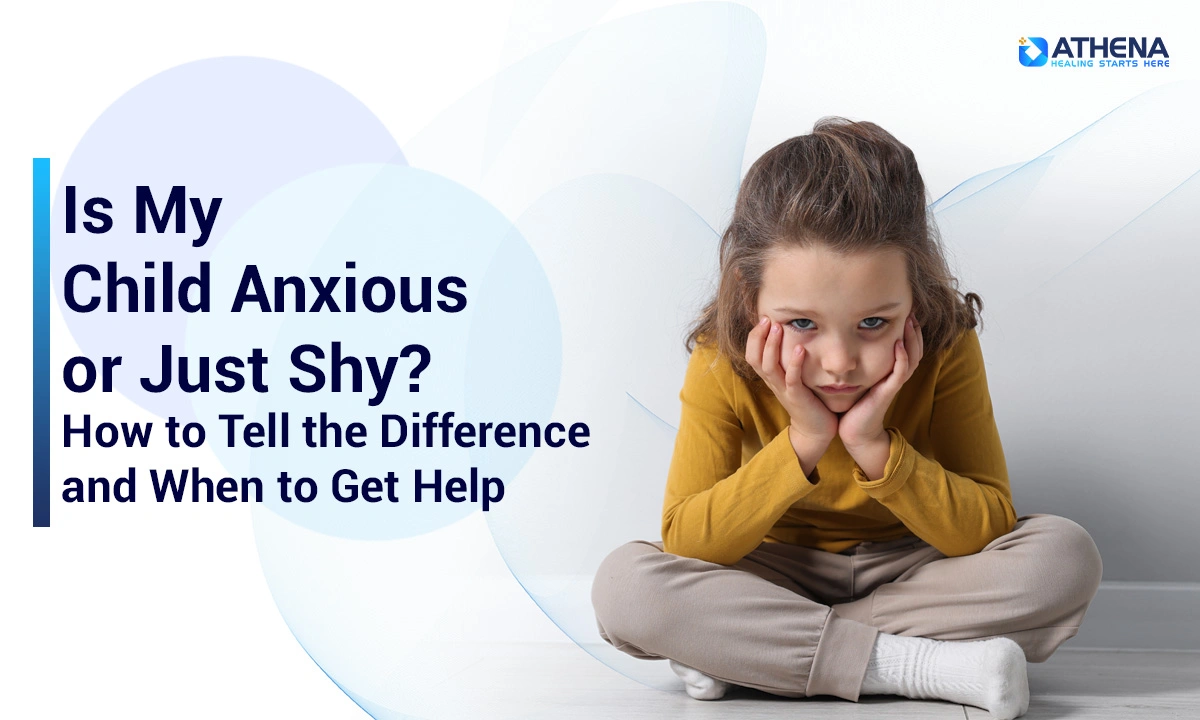

Is my child anxious or shy? A shy child may feel nervous in new situations but gradually becomes comfortable. An anxious child experiences persistent fear that interferes with school, friendships, or daily life. If these worries continue for weeks and affect everyday functioning, a professional mental health assessment is recommended.
If you're wondering, is my child anxious or shy, you're not alone. While shyness is a normal personality trait, anxiety can significantly affect a child's emotional well-being, relationships, and ability to enjoy everyday life. At Athena Behavioral Health, we help families understand these differences through compassionate assessments and evidence-based treatment, empowering children to regain confidence before anxiety becomes overwhelming.
Is It Normal for Children to Be Shy?
Many children are naturally reserved. They may hesitate to speak to new people, stay close to their parents at social gatherings, or prefer observing before joining group activities. These behaviours are usually part of a child's personality and often improve as they become familiar with people and situations.
A shy child may:
Take time to warm up to strangers
Speak softly in unfamiliar settings
Prefer small groups over large crowds
Feel nervous during new experiences but participate eventually
Shyness, by itself, does not prevent children from learning, making friends, or enjoying life.
What Is Childhood Anxiety?
Unlike shyness, childhood anxiety is driven by excessive fear that doesn't easily disappear with reassurance or familiarity. Anxiety can make ordinary situations feel overwhelming and may cause children to avoid activities they once enjoyed.
Parents asking is my child anxious or shy should pay attention to whether fear consistently disrupts daily life rather than appearing only in unfamiliar situations.
Children experiencing anxiety may worry about school, social interactions, making mistakes, or being separated from their parents. These fears often continue for weeks or months and can affect emotional, physical, and academic well-being.
Shyness vs Anxiety: Understanding the Difference
Although they may look similar, shyness and anxiety have important differences.
Shyness | Anxiety |
Temporary nervousness | Persistent fear |
Improves with familiarity | Continues despite reassurance |
Participates after warming up | Avoids situations completely |
Doesn't affect daily functioning | Interferes with school, friendships, or family life |
Mild discomfort | Intense emotional or physical distress |
If you're repeatedly asking yourself, is my child anxious or shy, observing how long these behaviours last and whether they interfere with everyday activities can provide valuable clues.
Signs Your Child May Be Experiencing Anxiety Instead of Shyness
1. Frequent School Refusal
Children with anxiety may complain of stomach aches, headaches, or feeling sick every school morning. These physical symptoms are often linked to emotional distress rather than illness.
2. Panic Before Social Situations
Instead of simply feeling quiet, they may cry, freeze, or become extremely distressed before birthday parties, classroom presentations, or family events.
3. Constant Need for Reassurance
They repeatedly ask questions such as "What if something goes wrong?" or "Will you stay with me?" despite receiving reassurance.
4. Physical Symptoms Without a Medical Cause
Anxiety commonly causes:
Stomach pain
Headaches
Sweating
Rapid heartbeat
Trouble breathing
Difficulty sleeping
5. Avoiding Activities They Previously Enjoyed
Children who suddenly stop participating in sports, hobbies, or social events may be struggling with anxiety rather than simple shyness.
6. Emotional Outbursts at Home
Anxiety doesn't always look like fear. It may appear as anger, frustration, irritability, or frequent arguments with family members, leading to conflict at home.
7. Excessive Fear of Making Mistakes
Some children become perfectionists because they're terrified of failing or disappointing others.
8. Persistent Worry About Everyday Situations
If you frequently wonder, is my child anxious or shy, notice whether your child worries constantly about school, friendships, health, or future events, even when there is little reason for concern.
Knowing how these symptoms manifest helps parents distinguish general stress from specific
Why Anxiety Is Often Mistaken for Misbehaviour
Children rarely have the words to explain overwhelming emotions. Instead, anxiety may appear as refusing school, avoiding conversations, becoming unusually angry, or withdrawing from family activities.
A parent may believe their child is being difficult when, in reality, the child is struggling with overwhelming fear.
Recognising this difference helps families respond with empathy instead of frustration.
What Can Cause Childhood Anxiety?
Anxiety usually develops because several factors interact rather than from a single cause.
Common contributors include:
Family history of anxiety disorders
Naturally sensitive temperament
Bullying or peer rejection
Academic pressure
Major life changes
Family conflict
Trauma or stressful experiences
Unrealistic expectations
Excessive social media exposure in older children
Understanding these underlying contributors can also help parents recognize when overlapping concerns arise, such as differentiating mood symptoms when evaluating
What Parents Can Do at Home
Supporting an anxious child begins with patience and understanding.
Helpful strategies include:
Listen Without Judgement
Allow your child to express their worries without immediately dismissing or solving every problem.
Validate Their Feelings
Simple statements such as "I understand this feels difficult for you" help children feel heard.
Encourage Small Steps
Instead of forcing participation, celebrate gradual progress and build confidence over time.
Maintain Predictable Routines
Regular sleep, meals, school schedules, and family routines create a greater sense of security.
Work Together With Teachers
Sharing concerns with school staff ensures consistent support both at home and in the classroom.
Practice deep breathing exercises, mindfulness, and strategies on
When Should You Seek Professional Help?
Parents often hesitate because they hope their child will simply "grow out of it." However, early support can make a meaningful difference.
Consider professional help if your child:
Misses school frequently
Experiences panic attacks
Avoids friends or family
Has ongoing physical complaints linked to stress
Shows persistent sadness or withdrawal
Struggles academically because of fear
Experiences conflict at home due to emotional distress
Has symptoms lasting several weeks or longer
If you're still asking, is my child anxious or shy, and these behaviours continue despite your support, a mental health evaluation can provide clarity and guidance.
How Childhood Anxiety Is Treated
Every child is unique, so treatment should be personalised to their needs.
Depending on the assessment, treatment may include:
Comprehensive psychological evaluation
Individual therapy
Cognitive Behavioural Therapy (CBT)
Family counselling
Parent education
School collaboration
Medication when clinically appropriate and carefully monitored
Evidence-based treatment focuses on helping children understand their emotions, develop healthy coping skills, improve resilience, and participate more confidently in everyday life.
Conclusion
It is natural to question, is my child anxious or shy, especially when they begin avoiding school, withdrawing from friends, or becoming distressed in everyday situations. While shyness is a normal personality trait, anxiety affects how children think, feel, and function.
The sooner anxiety is recognised, the sooner children can receive the support they need to thrive emotionally, socially, and academically.
Help Your Child Find Confidence With Athena Behavioral Health
If your child is experiencing persistent fear, emotional outbursts, school refusal, or anxiety that is affecting everyday life, you don't have to face it alone. Athena Behavioral Health offers comprehensive mental health assessments and evidence-based anxiety treatment for children and adolescents delivered by experienced professionals in a supportive, family-centred environment. Early intervention can make a lasting difference. Reach out to Athena Behavioral Health today to understand your child's needs and begin the journey toward healthier emotional well-being.