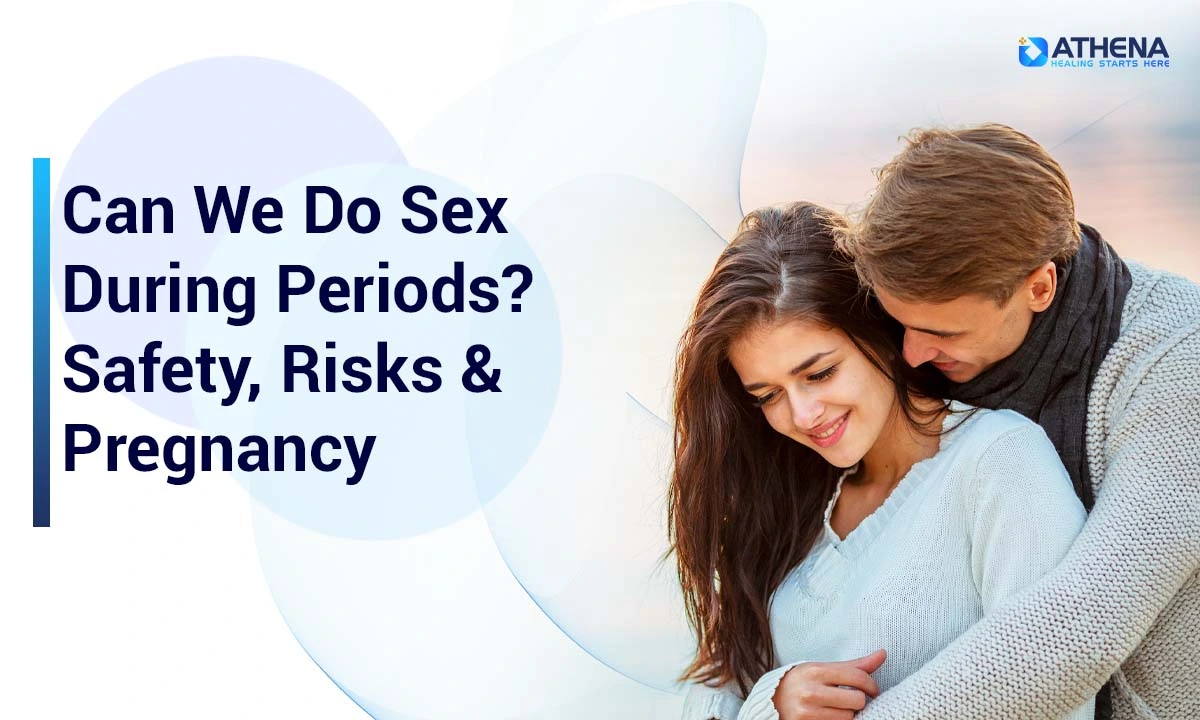

Many couples wonder, can we do sex during periods, especially when trying to balance intimacy with comfort and hygiene. The good news is that period sex is medically safe for most people, though it comes with a few things worth understanding, from hygiene to pregnancy risk to how it actually feels for both partners. Studies suggest that nearly 4 in 10 women have had sex during their period at least once, yet many still hesitate due to myths rather than actual medical concerns.
Can We Have Sex During Periods?
Yes, sex during periods is completely normal and does not pose any inherent danger to health. There is no medical restriction that prevents intercourse during menstruation. What changes is comfort level, since flow, cramps, and sensitivity differ from person to person and even day to day within the same cycle. On average, a menstrual cycle lasts 28 days, with bleeding typically continuing for 3 to 7 days, so comfort levels can shift significantly even within that short window.
Is Sex During Periods Safe?
Is sex during periods safe is one of the first questions people ask before trying it, and the answer is largely reassuring. Doctors confirm that period sex is safe as long as basic hygiene and protection are used, since the main concerns are infection risk and mess rather than any serious health threat. Research shows that using a condom reduces the risk of transmitting infections during menstrual sex by a significant margin compared to unprotected intercourse, since menstrual blood can carry pathogens more efficiently than other bodily fluids.
Benefits of Period Sex
Beyond just being safe, period sex actually offers a few physical advantages that many women notice without realizing they are connected to their cycle.
- Natural lubrication is higher, reducing dryness and friction, which many women notice within the first two days of their cycle.
- Orgasm can help relieve cramps through muscle relaxation and endorphin release, with some studies noting a 20 to 30 percent reduction in perceived pain intensity afterward.
- Increased blood flow to the pelvic area can heighten arousal and sensitivity.
- It may shorten the discomfort phase of periods for some women, especially when combined with rest and hydration.
Side Effects and Risks
At the same time, it is worth being aware of a few risks so they can be managed rather than ignored.
Concern | Explanation |
Increased infection risk | The cervix is slightly open during menstruation, making bacteria entry easier |
Higher STI transmission | Menstrual blood can carry infections more easily than other fluids |
Temporary discomfort | Increased sensitivity during heavy flow can cause mild irritation |
Mess and staining | Flow intensity varies, so bedding or clothing may get stained |
How Does Period Sex Feel?
For many women, period sex feels more pleasurable because natural lubrication reduces friction, making penetration smoother and less uncomfortable. Increased blood flow to the pelvic region can also heighten sensitivity, sometimes making arousal quicker and orgasms more intense. Some surveys report that around 1 in 3 women describe period sex as equally or more satisfying compared to sex on other days of the cycle, largely due to this added sensitivity. Mood and desire during this week are also closely tied to shifting estrogen and progesterone levels, which is part of how hormonal changes affect women's mental health and can explain why arousal and comfort fluctuate from one cycle to the next.
Does Period Sex Feel Tighter?
A related and commonly asked question is whether period sex actually feels physically different in terms of tightness. Some women report feeling tighter during their period due to a slightly swollen uterine lining and increased blood flow, which can add sensation for both partners. This is not universal, though, and varies based on flow, hormone levels, and individual anatomy. Hormonal fluctuations during menstruation, particularly the drop in estrogen and progesterone, can also affect vaginal muscle tone temporarily, which partly explains this difference.
Which Days Are Not Safe for Sex During Periods?
Not every day of the period is ideal for intercourse. Heavy flow days, usually the first two days for most women, can bring more cramping and discomfort, making sex less enjoyable. It is generally safer and more comfortable to have period sex once flow becomes lighter, typically from day three onward, when total blood loss has already reduced to less than 30 percent of the full cycle amount.
Sex should also be avoided on any day if there is unusually heavy bleeding, clotting, active infection, or significant pain, regardless of which day of the cycle it falls on. Doctors generally advise pausing intercourse if bleeding exceeds soaking through a pad or tampon every hour for two consecutive hours, as this level of flow may indicate an underlying issue needing medical attention.
Can We Do Intercourse During Periods and Still Get Pregnant?
Yes, pregnancy is still possible during periods. Sperm can survive inside the body for up to five to seven days, so if intercourse happens toward the end of the period and ovulation occurs early, especially in women with shorter cycles of 21 to 24 days, conception can happen. This is why period sex should never be treated as a safe window for skipping contraception. In fact, fertility research estimates that the chance of pregnancy from period sex ranges between 2 to 5 percent, which, while lower than mid-cycle odds, is not negligible.
Is It Safe to Finish Inside During Period Sex?
This is a common follow-up question once pregnancy risk comes up. Ejaculating inside during period sex does not eliminate pregnancy risk, since sperm can still reach a released egg if ovulation happens soon after. It also does not increase infection risk on its own, but using condoms remains the safer choice for both pregnancy prevention and hygiene.
Is Period Blood Okay for Sex?
Period blood itself is not harmful and does not pose a health risk during intercourse. It is simply the uterine lining shedding, made up of blood, tissue, and mucus, and on average a woman loses only about 30 to 40 milliliters of blood across an entire period. Some couples are completely comfortable with it, while others prefer using a towel or having sex in the shower to manage flow more easily.
Blood odor during sex is usually minimal and only becomes noticeable with heavier flow or extended contact time, and normal hygiene practices before and after intercourse keep it well managed.
Is Period Sex Good or Not a Good Idea?
Whether period sex is a good idea really depends on personal comfort, hygiene practices, and communication between partners. For some, it strengthens intimacy and reduces period discomfort. For others, it may feel inconvenient or uncomfortable, and that is equally valid. Surveys on sexual wellness suggest that couples who communicate openly about period sex report roughly 25 percent higher satisfaction with their overall intimacy, simply because expectations are clearer on both sides. There is no universal right answer, only what works for both partners involved.
Practical Tips for Safer Period Sex
Since hygiene and preparation make the biggest difference to comfort, a few simple steps can help both partners enjoy the experience without added stress.
- Use a dark towel or old bedsheet to manage staining.
- Try having sex in the shower for easier cleanup.
- Use condoms to reduce infection risk and mess.
- Communicate openly about flow intensity and comfort.
- Keep wipes or tissues nearby for quick cleanup afterward.
- Track cycle days to choose lighter flow days if preferred.
Lifestyle Habits That Affect Period Comfort
Comfort during periods is not just about sex itself, it is also shaped by everyday habits during that week. Drinking alcohol during periods can worsen cramps, dehydration, and mood swings, and some research links alcohol consumption to a 20 percent increase in reported period pain intensity, a connection explored further in the context of alcohol during periods. Cutting back on alcohol, staying hydrated, and getting adequate rest during menstruation can make both daily comfort and intimacy easier to manage.
Struggling With Intimacy? Athena Behavioral Health Is Here to Help
Intimacy is not only a physical experience, it is closely tied to emotional and psychological wellbeing. Sometimes, difficulties around sex or intimacy are not about periods or physical comfort at all, but stem from compulsive behaviors like pornography addiction, which studies suggest affects millions of adults worldwide and can strain real-life relationships and self-esteem over time. Athena Behavioral Health provides pornography addiction treatment designed to help individuals rebuild a healthier relationship with intimacy, using structured therapy and long-term emotional support rather than quick fixes. For anyone struggling with compulsive habits that affect their relationships, professional support can make a meaningful and lasting difference.
Conclusion
So, can we do sex during periods? For most couples, yes, as long as hygiene, protection, and mutual comfort are kept in mind. If intimacy concerns run deeper than periods, whether it's stress, mood, or compulsive habits, Athena Behavioral Health is here to help. Reach out today and take the first step toward healthier intimacy and wellbeing.