
 WhatsApp
 Emergency
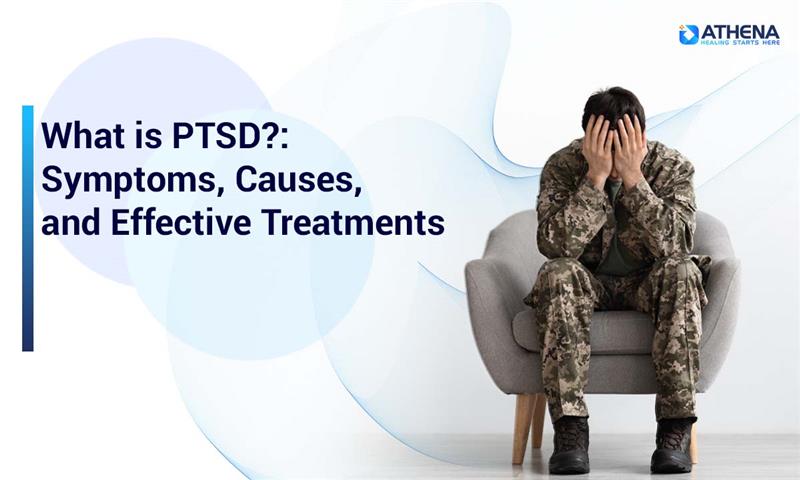
What is PTSD?: Symptoms, Causes, and Effective Treatments
 Share
Share
In the case of a traumatic experience or that of someone you know, it is crucial to be aware of the possible long-term effects that such an experience may impose on mental health. One such condition is post-traumatic stress disorder (PTSD) which can have far-reaching implications on the life of a person. Athena Behavioral Health is determined to offer precise, beneficial, and convenient information to aid in your healing process.
In the paper, we will examine PTSD, its symptoms, causes and the best treatment modalities available in detail. We want to be able to bring clarity, empowerment, and access to people with PTSD to help them get the resources they need to get through.
What is Post-Traumatic Stress Disorder (PTSD)?
Post-traumatic stress disorder (PTSD) is a mental health condition that develops after someone has gone through a deeply distressing or life-threatening event. Unlike the normal stress or anxiety that many of us experience after a traumatic situation, PTSD symptoms persist and interfere with daily life.
Trauma can stem from a wide range of experiences, including military combat, sexual assault, natural disasters, accidents, or even witnessing violence. While it’s normal to experience stress after such events, PTSD involves a prolonged, intense response that can last for months or even years without intervention.
PTSD is Not Just "Being Stressed"
It’s important to understand that PTSD isn’t simply about feeling anxious or upset after a traumatic event. It is a serious mental health condition that can cause lasting physical and emotional pain, which can severely affect relationships, work, and overall well-being.
Symptoms of Post-Traumatic Stress Disorder (PTSD)
The symptoms of PTSD can vary greatly from person to person, but they typically fall into four categories. Recognizing these signs can be the first step in seeking the help needed to start healing.
1. Re-experiencing the Trauma
Flashbacks: Feeling like the traumatic event is happening again in the present moment.
Nightmares: Disturbing dreams related to the traumatic experience.
Intrusive Thoughts: Recurrent, distressing memories or thoughts about the trauma.
2. Avoidance
Avoiding reminders: Avoiding places, people, or activities that trigger memories of the trauma.
Emotional Numbness: A sense of detachment from others, feeling disconnected or distant.
Difficulty Speaking About the Event: Avoiding conversations or thoughts related to the trauma.
3. Negative Changes in Thinking and Mood
Negative Beliefs: Persistent feelings of guilt, shame, or hopelessness.
Blaming Oneself: The feeling that they somehow caused the trauma or deserved it.
Difficulty Remembering Details: A selective memory loss of the traumatic event or emotional numbness.
4. Hyperarousal
Excessive Alertness: Feeling “on edge” or always alert to potential danger.
Irritability and Anger: Being quick to anger or having mood swings.
Sleep Problems: Trouble sleeping or concentrating due to heightened anxiety.
These symptoms can make daily functioning very difficult and may affect work, relationships, and overall quality of life. Fortunately, there are effective treatments available to help manage and reduce PTSD symptoms.
Causes of Post-Traumatic Stress Disorder (PTSD)
Development of PTSD may occur following an event that causes a person to be traumatized, although not all people that come in contact with trauma will develop it. PTSD is caused by a number of factors:
1. Trauma severity
More severe and persistent traumas, including combat, childhood abuse, or sexual assault, can increase the likelihood of PTSD.
2. Trauma Past History
People who have previous traumas or had prior mental health issues can be susceptible to developing PTSD.
3. Personal Resilience and Support
Individual factors, including resilience or strong support systems, may serve to cushion the trauma impact. Unsupportive or existing mental health problems may predispose a person to PTSD.
4. Genetic Factors
Studies indicate that genetics may have a role to play in the development of PTSD in an individual following a traumatic event. Having an anxious or depressed family history can predispose an individual to develop PTSD.
Although you cannot do anything about all of these factors, knowledge about them can assist you or your loved one to pursue the right treatment and make some steps towards recovery.
Effective Treatments for PTSD
While PTSD can feel overwhelming, it is treatable. There are various therapeutic approaches designed to help individuals process trauma, manage their symptoms, and regain control of their lives. Let’s take a closer look at the most effective treatments available.
1. Therapy: The Core of PTSD Treatment
Psychotherapy (or talk therapy) is one of the most effective ways to treat PTSD. Here are some of the most commonly used forms of therapy:
Cognitive Behavioral Therapy (CBT): A highly effective therapy that helps individuals identify and change harmful thoughts and behaviors related to the trauma.
Prolonged Exposure Therapy: This involves gradual exposure to trauma-related memories or situations in a safe environment to reduce avoidance and anxiety.
Eye Movement Desensitization and Reprocessing (EMDR): A technique that uses guided eye movements to help individuals process and reframe traumatic memories.
These therapies are proven to help individuals process their trauma in a healthier way, leading to a reduction in PTSD symptoms.
2. Medications for PTSD
In addition to therapy, medications can also help manage PTSD symptoms, especially for individuals dealing with severe anxiety, depression, or sleep disturbances. Common medications include:
Antidepressants (SSRIs and SNRIs): These medications help regulate mood and anxiety symptoms.
Anti-anxiety Medications: These may be prescribed for short-term relief from stress and anxiety.
Prazosin: A medication that can help reduce nightmares and sleep disturbances often associated with PTSD.
Medications are typically used alongside therapy to provide the best results in managing symptoms.
3. Support Groups and Peer Support
Sometimes, connecting with others who understand the experience of trauma can be incredibly healing. PTSD support groups provide a safe space for individuals to share their experiences, listen to others, and support each other. Peer support helps reduce isolation and allows individuals to feel understood.
4. Self-Care and Lifestyle Changes
Self-care plays a key role in managing PTSD. By focusing on your physical and emotional well-being, you can support your healing process. Here are some self-care strategies that can help:
Regular Exercise: Physical activity helps reduce stress and boosts mood.
Mindfulness and Meditation: Practicing mindfulness helps individuals stay grounded in the present and manage anxiety.
Healthy Sleep Habits: Establishing a consistent sleep schedule can improve sleep quality and reduce nightmares.
PTSD Treatment Centers: Finding the Right Help
In case you have or know a person with symptoms of PTSD, you should seek professional assistance. Treatment centers such as Athena Behavioral Health receive comprehensive treatment depending on the needs of each individual. You might need individual therapy, group therapy or both, but no matter your choice, a PTSD treatment center like ours can offer the help you deserve.
Take Action and Seek Help Today
You can get help with PTSD, you do not need to deal with it on your own. The initial one is to seek assistance. At Athena Behavioral Health, we provide PTSD treatment and we are focused on helping you to overcome all the levels of recovery. Call us now + 91 9289086193 and get to know more about our custom designed PTSD treatment programs.







 Get Help Today