
Schizophrenia and Substance Abuse Treatment Centre in Guwahati
Athena Behavioral Health provides specialised schizophrenia and substance abuse treatment in Guwahati through a psychiatry-led approach that addresses psychotic symptoms and substance use together.
- Specialist Psychiatric Assessment
- Psychiatric Stabilisation & Medication Management
- Dual Diagnosis Treatment
- Psychological Therapy & Behavioural Support
- Family Counselling & Psychoeducation
- Inpatient & Outpatient Care
Book Your Appointment

Specialised Schizophrenia and Substance Abuse Treatment in Guwahati
Watching someone you love change because of schizophrenia can be frightening. When substance use is also present, the situation can become even harder to understand. Cannabis, alcohol, stimulants, and other substances may worsen psychotic symptoms, interfere with medication adherence, disrupt sleep, and increase the risk of psychiatric relapse.
This is why Schizophrenia and Substance Abuse Treatment needs a different approach from standard addiction treatment. Athena Behavioural Health first works to understand the relationship between the psychiatric symptoms and substance use, then builds treatment around the person's current clinical needs. Our substance abuse treatment in rehab centre in Guwahati may include psychiatric stabilisation, medication optimisation, structured therapy, family intervention, and ongoing relapse prevention.
"If there are immediate concerns about violence, severe confusion, suicidal behaviour, extreme agitation, or a serious medical emergency, seek emergency medical help immediately. For families, the first step does not always have to be convincing the person to admit they have a problem. You can speak with our clinical team yourself, explain what you have been observing, and receive guidance about the safest next step."
Meet Our Psychiatrists for Schizophrenia and Substance Abuse Treatment in Guwahati

Prof. (Dr.) Nimesh G. Desai

Dr. Sushil Agarwalla

Dr. Sahil Agarwal
Key Highlights Of Our Guwahati Mental Health Facility
24/7 Psychiatric & Clinical Support
Athena Behavioral Health, Guwahati provides doctors on-site 24×7, allowing patients to receive ongoing clinical monitoring when symptoms become difficult to manage.
A Major Psychiatric Centre in Northeast India
The Guwahati centre is described by Athena as the largest psychiatric centre in Northeast India, providing specialised mental health and addiction services in one location.
Separate Male & Female Facilities
Separate buildings for male and female patients provide a more focused environment for psychiatric and addiction treatment while supporting privacy and dignity.
Dual Diagnosis Integration
Schizophrenia and substance use are assessed together. The treatment plan considers psychotic symptoms, substance patterns, medication adherence, withdrawal concerns, and associated behavioural or emotional difficulties.
Confidential Care
Mental health and addiction treatment can be deeply personal. Athena maintains a confidential care environment for patients, families, professionals, and individuals concerned about privacy.
Structured Aftercare & Relapse Prevention
Recovery does not end when acute symptoms settle. Follow-up psychiatric care, family support, medication monitoring, behavioural strategies, and relapse prevention help maintain progress after treatment.
Clinical Excellence
Expert Clinical Care for Schizophrenia and Substance Abuse
Schizophrenia with co-occurring substance use requires more than simply stopping the substance. Before addiction-focused work can be effective, psychotic symptoms may need to be stabilised and medication reviewed. Athena's clinical approach therefore begins with a detailed psychiatric assessment covering symptom history, substance use, medication adherence, previous treatment, and current safety concerns.

As the person's condition improves, attention turns toward hands-on rehabilitation work, re-establishing daily structure, practising coping skills in real situations, staying on track with medication and therapy, and slowly mending relationships affected by the illness. Discharge planning happens well in advance too, so by the time someone leaves, they're walking out with an actual plan, not just a goodbye.
For patients requiring a higher level of support, inpatient psychiatric hospital in Guwahati offers a supervised, secure setting during periods of acute instability, ensuring safety and consistent monitoring. Once symptoms become more manageable, the focus shifts toward therapy and rehabilitation centred on practical daily routines, effective coping strategies, treatment adherence, and rebuilding relationships.
As recovery progresses, patients are gradually prepared for life outside the facility, equipped with the skills and confidence needed to reintegrate into their communities with lasting stability and support.
Modern Lifetime Challenges
Understanding Why Schizophrenia and Substance Use Can Become Connected
Schizophrenia can affect how a person perceives reality, thinks, feels, and interacts with the world. Delusions, hallucinations, disorganised thinking, reduced motivation, social withdrawal, and cognitive difficulties can make everyday life extremely challenging.
Some people begin using substances because they believe alcohol, cannabis, nicotine, or another substance helps them cope with voices, paranoia, anxiety, sleep problems, or emotional distress. The temporary relief can reinforce continued use.
But the cycle can quickly become harmful. Substance use may worsen psychotic symptoms, interfere with prescribed medication, reduce adherence, disturb sleep, and increase the likelihood of psychiatric crises. Cannabis and stimulant use can be particularly concerning in people vulnerable to psychosis.
Substance abuse treatment in Guwahati should never be separated from psychiatric care when schizophrenia is also involved. Both conditions are deeply connected and must be understood within a single clinical picture. Only an integrated approach, addressing mental health and substance use together, can lead to accurate diagnosis and effective, lasting recovery.

Understanding Schizophrenia Symptoms: Three Key Categories
| Symptom Category | What It Involves | Common Examples |
| Positive Symptoms | Experiences added to a person's perception of reality that are not typically present | Hallucinations, delusions, disorganised thinking |
| Negative Symptoms | A reduction or loss of normal functions and emotional responses | Social withdrawal, flat affect, low motivation, reduced speech |
| Cognitive Symptoms | Difficulties with mental processes affecting daily functioning | Poor concentration, memory issues, difficulty processing information |
| Onset Pattern | How symptoms typically emerge over time | Gradual prodromal phase followed by a first acute psychotic episode |
| Risk Factors | Contributing factors beyond genetics | Family history, prenatal complications, high-stress environments, cannabis use in vulnerable individuals |
Recognising the Warning Signs of Schizophrenia and Substance Use
The need for professional help is not always obvious. Families may initially blame substance use for every change, while others may assume that unusual behaviour is simply part of schizophrenia. A combined clinical assessment can help distinguish what is happening and determine the appropriate level of care.
Psychotic Symptoms Becoming Worse After Substance Use
Hearing voices, paranoia, unusual beliefs, or disorganised behaviour that becomes noticeably worse after drinking or using drugs should not be ignored.
Medication Is Frequently Being Missed
Repeatedly stopping or forgetting antipsychotic medication, particularly alongside increasing substance use, can increase the risk of relapse.
Using Substances to Calm Voices or Anxiety
If someone says they use cannabis, alcohol, or another substance "to calm down" or "to make the voices quieter", it may indicate an unhealthy coping cycle.
Repeated Psychiatric Crises
Frequent episodes of agitation, psychosis, hospitalisation, or behavioural instability may indicate that schizophrenia and substance use are interacting.
Withdrawal, Isolation & Loss of Motivation
A noticeable decline in social interaction, personal care, work, study, or everyday functioning can be a sign that the condition is becoming harder to manage.
Substance Use Is Becoming Unsafe
When family members feel unable to maintain a safe home environment because of intoxication, aggression, severe confusion, or unpredictable behaviour, professional help should be sought promptly.
Not Sure If This Is You? Talk to a Specialist
Confidential Support, available 24×7
ABOUT THERAPY AT ATHENA
How We Treat Schizophrenia and Substance Abuse
Specialist Psychiatric Assessment
The first stage is a detailed psychiatric evaluation. The team reviews psychotic symptoms, substance use patterns, current medication, treatment history, adherence, family observations, and immediate safety concerns. Family members can provide important information when the patient is unable or unwilling to describe the full picture.
Psychiatric Stabilisation & Medication Management
When active psychotic symptoms are present, stabilisation comes first. Psychiatrists review antipsychotic treatment, monitor response and side effects, and consider adherence challenges while also assessing how substances may be interacting with psychiatric medication.
Structured Rehabilitation & Family Support
Therapy is adapted to the person's current cognitive and psychological capacity. Practical routines, behavioural strategies, family-supported plans, communication skills, and psychoeducation help make treatment easier to follow in everyday life.
Long-Term Relapse Prevention
Ongoing psychiatric review, medication monitoring, family involvement, community support, vocational assistance where appropriate, and a clear crisis plan can help reduce the risk of repeated psychiatric and substance-use crises.
Why Choose Us
A Trusted Schizophrenia and Substance Abuse Treatment Centre in Guwahati

Athena Behavioral Health approaches schizophrenia and addiction as interconnected clinical problems when they occur together. Instead of treating substance use separately from psychosis, the team evaluates how the two conditions affect each other and builds care accordingly.
The Athena Guwahati centre offers separate male and female buildings, a calm setting surrounded by nature, and doctors available on-site 24×7. The facility provides access to psychiatric and addiction care within the same clinical environment.
Families are also included. They receive guidance about medication, warning signs, communication, crisis planning, boundaries, and how to support recovery without unintentionally reinforcing harmful behaviour.
For patients and families looking for the best schizophrenia and substance abuse treatment in Guwahati, the focus is not simply on getting through an acute episode. It is on creating a practical plan for continued psychiatric stability, reduced substance use, safer relationships, and better daily functioning.
How We Help
Our Step-by-Step Guide to Recovery
Getting someone into treatment can feel complicated, particularly when the person does not believe they need help. Athena Behavioral Health keeps the first steps straightforward.
Speak confidentially with our care team by phone or WhatsApp. Explain what has been happening, including changes in behaviour, psychotic symptoms, substance use, medication concerns, or immediate safety issues.
The psychiatric team reviews the person's history, current symptoms, substance use, medication, previous treatment, and overall clinical needs.
If the person is experiencing acute psychosis, severe behavioural changes, or other significant symptoms, treatment begins with appropriate psychiatric stabilisation and medical supervision.
Once the person is more stable, structured psychological treatment, behavioural work, family counselling, medication management, daily routines, and relapse prevention become central to recovery.
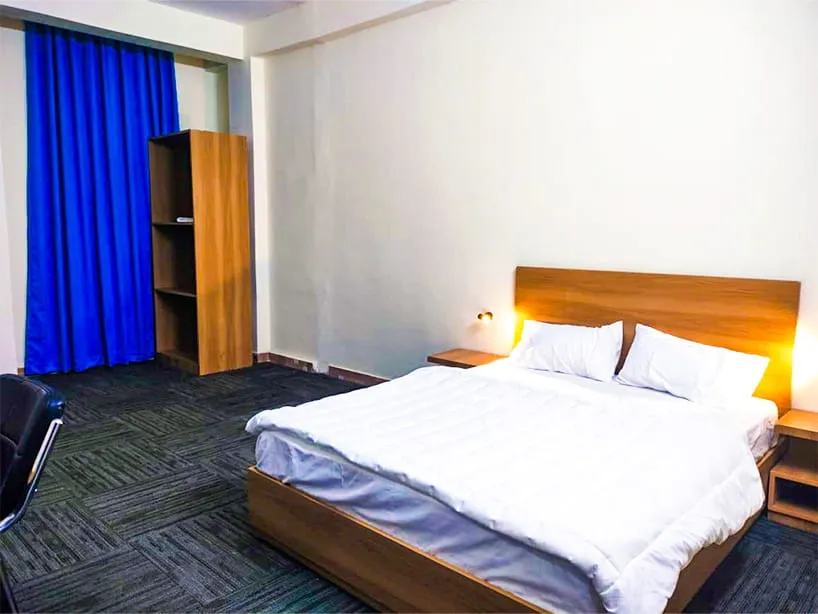
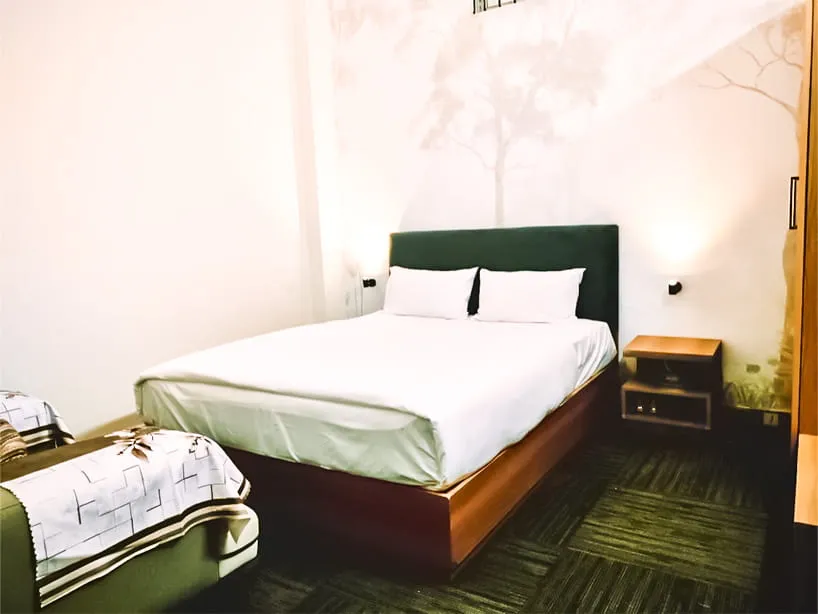
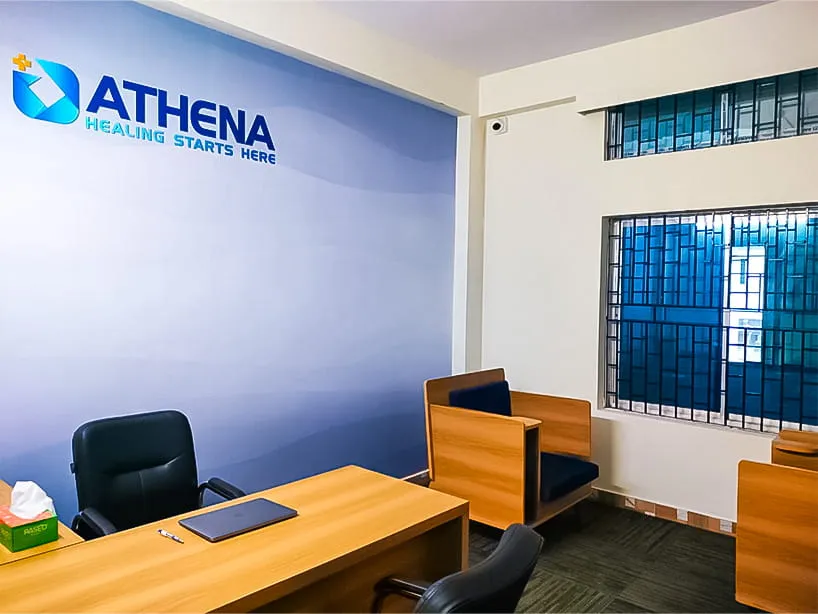
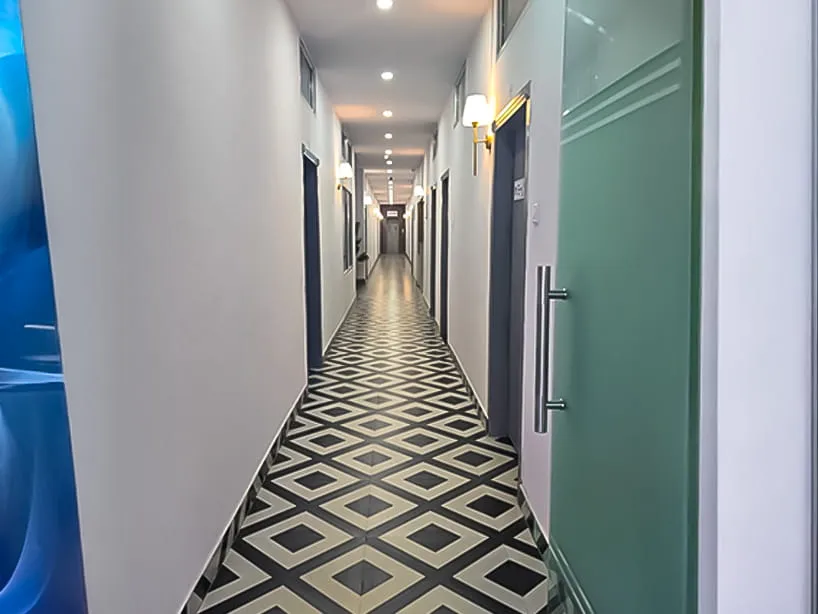
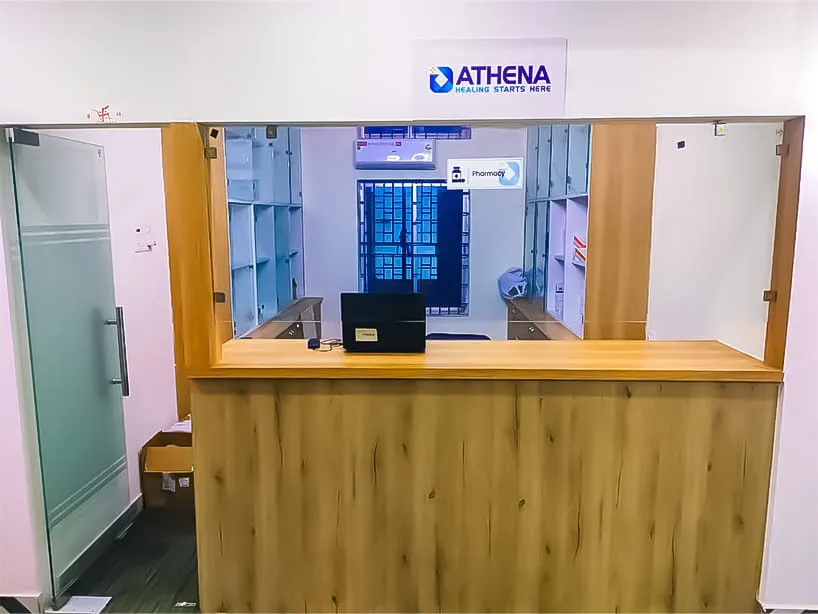
Take a Look Inside Our Guwahati Facility



Conditions We Treat















.png)






What Our Patients Say
Frequently Asked Questions
It is specialised dual-diagnosis care for people experiencing schizophrenia alongside problematic alcohol or drug use. Treatment addresses psychiatric symptoms and substance use together rather than treating them as unrelated conditions.
Alcohol, cannabis, nicotine, stimulants, and other drugs can occur alongside schizophrenia. The treatment plan depends on the substance involved, frequency and quantity of use, withdrawal risk, psychiatric symptoms, and overall health.
Families can still seek professional guidance. You can discuss the situation with Athena's clinical team, document changes in behaviour and substance use, and understand the available options before deciding what to do next.
No. The appropriate level of care depends on psychiatric severity, substance use, safety concerns, withdrawal risk, previous treatment response, and the person's ability to function safely outside a supervised setting. Some people may benefit from outpatient care, while others require inpatient stabilisation.
Yes. Having both conditions can make treatment more complex, but specialised dual-diagnosis care can address both. The treatment goal is sustained psychiatric stability, improved functioning, reduced substance-related harm, and long-term recovery support.
Yes. Recovery is possible, although it may require longer and more structured clinical support. Treatment usually focuses on improving psychiatric stability, reducing or stopping harmful substance use, supporting medication adherence, and preventing relapse.
Cannabis can significantly worsen psychotic symptoms and increase the risk of relapse in people with schizophrenia. Continued cannabis use should therefore be discussed with a psychiatrist rather than treated as harmless recreational use.
Yes. Substance abuse treatment can include psychiatric assessment, medication management, motivational work, behavioural therapy, family counselling, structured rehabilitation, and relapse prevention depending on the person's clinical needs.
Yes. Family involvement is an important part of schizophrenia and substance abuse treatment. Families can learn how to recognise warning signs, support medication adherence, communicate more effectively, manage boundaries, and respond to crises.
For schizophrenia with substance use, contact Athena Behavioral Health for a confidential clinical discussion. The team can understand the situation, assess urgency, and guide you toward the most appropriate Athena centre and level of care.
How to reach Athena - Guwahati
Athena Behavioral Health, Guwahati
Athena Behavioral Health, Guwahati, Assam
Landmark: Guwahati
- Guwahati City
- Northeast India region
Contact us: +919289086193
Speak to Our Care Team - 24×7 Confidential Support
Confidential help is just a call or chat away. Our team is ready to listen - without judgment, without pressure.
