
Best Internet & Mobile Addiction Treatment in Gurgaon
Athena Behavioral Health provides internet & mobile addiction treatment in Gurgaon for exactly this, when the phone stops being a tool and starts running the day.
- Confidential evaluation within 24 hours
- Structured digital detox planning
- One-on-one CBT for compulsive use
- Family sessions built in
- Private consultation rooms
- Aftercare check-ins post-discharge
Book Your Appointment
Accredited, Licensed & Trusted Care
Every aspect of our care is backed by proper accreditation and licensing. From patient safety to treatment protocols, we meet the standards that matter most to your family's trust and wellbeing.
NABH Accredited
Our facility follows nationally recognized healthcare standards and strict safety protocols, ensuring every treatment step meets certified clinical benchmarks for quality care.
Licensed by State Mental Healthcare Act, Haryana
We operate under full authorization from the Haryana State Mental Healthcare Act, meeting all regulatory and legal requirements for safe, ethical treatment.
Govt. Licensed De-Addiction Center
As a government licensed centre, we provide structured, medically supervised de-addiction and rehabilitation programs built for lasting recovery and wellbeing.

You Don't Need a Crisis to Justify Reaching Out
Internet addiction in Gurgaon rarely looks dramatic at first. It looks like a student who says he's "just checking something" for the fifth time in an hour, a parent who's stopped noticing how many hours their child spends gaming, or a professional who reaches for their phone the second a meeting ends, even when there's nothing to check. This isn't about occasional scrolling or a long gaming session on a weekend. It's about what happens once a person can't sit through an ordinary hour without reaching for a screen.
At Athena Behavioral Health, mobile addiction in Gurgaon is treated by starting with a full picture, not a quick fix. A psychiatrist works through the digital habits, the emotional triggers behind them, and whatever else, stress, loneliness, and low mood might be feeding the pattern, before any plan is put together. When the person struggling is a child or teenager, this evaluation is carried out by our Child & Adolescent Psychiatry team, since screen dependency in younger patients tends to look and respond differently than it does in adults. Families often tell us this is the first time someone has explained the "why" behind the behavior instead of just telling them to set a screen-time limit.
"If someone shows signs of severe distress, panic, or self-harm thoughts connected to their phone or internet use being restricted, treat it as urgent. Contact your local emergency number or the nearest hospital right away. A person's immediate safety always comes first."
Our Dedicated Treatment Team for Internet and Mobile Addiction

Prof. (Dr.) Nimesh G. Desai

Dr. Ashish Mittal

Dr. Rahul Rai

Dr. Supriya Mathur

Dr. Adwitiya Ray

Dr. Mrigakshi Parasor

Dr. Anindo Mitra
What Internet & Mobile Addiction Treatment in Gurgaon Looks Like From Day One
We Always Assess the Pattern First, and Never Judge
In addition to the recommendations we make, we always assess the actual pattern of screen use, mood changes, and behaviors in question, as well as check for any other psychological factors that could be at play, such as anxiety or problems with sleep.
Digital Detox Is Planful, Not Punitive
Rather than taking the patient's phone away from them, we create a plan for reasonable boundaries of screen-time usage, notification management, and activities when not using a smartphone, which will be doable in their daily routine.
The Intensity of Treatment Is Aligned with the Case
Patients who need more structure in their therapy than one session per week, but do not need inpatient care, receive our Day Care Programme, with several supervised hours per day at the centre, while staying at home at night.
Privacy of Patients' Sessions Is Ensured
We arrange the schedule in such a way that patients will never be seated next to a familiar person.
We Prescribe Medication, Only When It Is Necessary
Although there is no specific medication for treating internet addiction, any cases of anxiety, depression, or insomnia get treated in our programme, and are always assessed periodically.
Therapy Targets the Root Cause
Whatever that may be – stress, social comparison, feeling lonely, or escapism from home problems – sessions deal directly with this issue.
Clinical Excellence
Specialists in Behavioral Addiction, Not a Side Note in a Broader Practice
No two cases are alike. A teenager pulled into gaming to escape social anxiety needs a different plan than a working adult who has lost hours to compulsive scrolling as a way to avoid stress at home. Some people struggle with gambling apps or endless streaming, while others feel trapped by social media comparison or late-night browsing that wrecks their sleep. Each of these patterns has its own triggers, its own emotional payoff, and its own consequences, which is why a single standard program rarely works for everyone who walks through the door.

Parents are brought into the process early, with guidance on setting healthy boundaries at home without turning every evening into a battle. The goal is to treat the underlying anxiety, low mood, or isolation, and not only to reduce screen hours.
This is part of why people searching for an internet addiction treatment center in Gurgaon tend to find us through a referral from someone who has already been through the process, because the plan is actually built around the individual. Treatment may combine therapy, medication review where appropriate, behavioral strategies, and family or workplace support, adjusted as progress is made. Families often tell us that being heard without judgment was what finally made them willing to seek help.
One clinician follows a case from the first evaluation through discharge, so nothing has to be explained twice to someone new partway through. That continuity builds trust, which matters most when a person is discussing habits they may feel ashamed of. It also means changes in mood, sleep, or behavior are noticed quickly, and the plan can be adapted before small setbacks turn into relapses.
Modern Lifetime Challenges
Why Gurgaon's Pace Makes This Easy to Miss
Long commutes on the Delhi-Gurgaon expressway leave little time for anything but a phone screen, and a corporate work culture that expects constant online availability follows people home well after office hours. Students navigate heavy academic pressure with unlimited access to gaming and social apps, while screens have become the default way to unwind after a tiring day. Because all of this feels ordinary, excessive use quietly builds and often goes unnoticed until it is already deeply set in.
There is a real difference between someone who uses their phone or the internet heavily and someone who has become dependent on it. Heavy use is usually tied to a job, a course, or a phase of life, and the person can still step back when they choose to. Dependency looks different: the habit starts running the person instead of the other way around. Telling the two apart early is what makes timely and effective help possible.
Regular Use: Screen time does not interfere with sleep, relationships, work, or studies in any noticeable way. The person can put the device down during meals, conversations, or family time without feeling restless. They can go a few hours, or even a full day, without it and feel fine. Use stays a tool or a source of entertainment, and it does not become the main way of coping with stress, boredom, or difficult emotions.
Dependency: Use has become something the person cannot function normally without, and being away from it brings real anxiety or distress. Sleep, work performance, grades, and relationships begin to suffer, yet the person keeps going back despite wanting to cut down. Irritability, restlessness, or a low mood often appear when access is limited. Many people hide how much time they spend online or feel guilty afterwards, which is often the point where professional support helps most.

Rebuilding Life Around People, Not Screens
Recovery from excessive phone or internet use rarely comes down to willpower alone, since the habit is usually standing in for something else, stress, loneliness, avoidance, or simply not having a better way to unwind after a long day. Treatment works by addressing what's actually driving the behaviour, one layer at a time, rather than fixating on screen-time numbers as the goal.
| What's Being Addressed | How It's Handled | Why It Matters |
| The Usage Pattern Itself | Mapping out exactly when, how, and why screens are being used, before any plan is made | You can't fix a habit you haven't actually mapped out honestly |
| Underlying Emotional Triggers | Individual therapy exploring stress, loneliness, or escapism sitting underneath the behaviour | Removing access without addressing the trigger usually just shifts it elsewhere |
| Sleep and Daily Structure | Rebuilding a routine with offline activities, exercise, and consistent sleep timing | Screen dependency and disrupted sleep tend to feed each other |
| Family or Relationship Strain | Joint sessions to rebuild communication that's been replaced by screen time | Recovery holds better when the people around someone understand the shift, not just the rule change |
| Long-Term Stability | Scheduled follow-ups after discharge, since old patterns can quietly resurface | A single course of therapy rarely "fixes" it permanently without continued check-ins |
The Signs Families Usually Notice Last
Most families wait for one obvious moment, like a missed exam or a serious argument, before acting, when the pattern has usually been building quietly for a while. Here's what tends to go unnoticed the longest.
Restlessness Without the Phone
Visible anxiety, irritability, or agitation the moment the phone isn't within reach.
Sleep Pushed Later and Later
Staying up well past midnight to scroll, chat, watch videos, or keep gaming.
Withdrawal from Real Conversations
Skipping family time or social plans in favor of staying online.
Repeated Failed Attempts to Cut Back
Promising to reduce screen time and not being able to follow through, more than once.
A Noticeable Dip in Focus or Performance
Falling grades, missed work deadlines, or a manager who's started asking questions.
Brushing Off Concerns From Family
Insisting it's "not a big deal" even as people close to them keep raising it.
Not Sure If This Is You? Talk to a Specialist
Confidential Support, available 24×7
About Therapy At Athena
The Actual Path From First Call: Internet & Mobile Addiction Treatment in Gurgaon
Step One - Assessment
Prior to starting any therapy, a psychiatrist will chart the patient's digital usage, timings, triggers, home environment, and any co-existing issues. For young patients, this step is managed by our Child & Adolescent Psychiatry team.
Step Two - Detox Planning
Instead of an immediate stop to using technology, this step involves setting hard limits on screen time, no-phone activities, and reducing gaming, scrolling, and browsing. This is done at a pace that is actually realistic.
Step Three - Individual Therapy
Cognitive Behavioral Therapy will target the obsessive behaviors and thinking patterns that fuel them, teaching the patient coping mechanisms that they can use in life after therapy. In case the need for more structure arises, this step can take place through our Day Care Programme.
Step Four – Life Structure Restoration
Introducing offline activities, exercise, and family time into the daily routine.
Why Choose Us
We Look at the Whole Person, Not Just the Screen Time

Every case is worked through jointly by a psychiatrist and a therapist off the same set of facts, not two separate tracks that happen to run in parallel. This matters most when phone or internet use is tangled up with anxiety, depression, or disrupted sleep, since treating one without the other rarely holds. Patients don't leave with the assumption that they're "cured" and done. They leave with a clear set of boundaries to maintain and the knowledge that they can come back if old habits start creeping in, rather than having to start from zero a second time.
A teenager gaming to escape social anxiety needs a different plan than a working adult scrolling to avoid stress at home, which is why younger patients are assessed separately by our Child & Adolescent Psychiatry team from the start. Understanding what the screen time is actually standing in for is what allows the plan to address the real cause, and it is a big reason families choose a trusted rehab centre in Gurgaon that treats the person rather than just the habit.
For professionals who can't afford a disrupted schedule, the program is built to fit into their week, including the Day Care option for anyone who needs more than weekly sessions but doesn't need to be admitted. It offers structured, supervised support during the day while the person continues to manage work and family responsibilities, so recovery does not have to come at the cost of their career.
How We Help
What Happens Between Your First Message and Ongoing Recovery
The most challenging step is getting in touch. This is how it continues once you have done that.
Dial our helpline number or send us a WhatsApp, and get confirmed about your first appointment the very day.
This includes a thorough review of the person's digital activities, emotional background, and life situations, either face-to-face or via a confidential video conference.
Our digital detox program, along with the therapy sessions, family therapy sessions, and, where necessary, our Day Care Programme, will be integrated based on the specific case.
Scheduling regular follow-up sessions post-discharge ensures that healthier behavior is formed once daily activities start again.
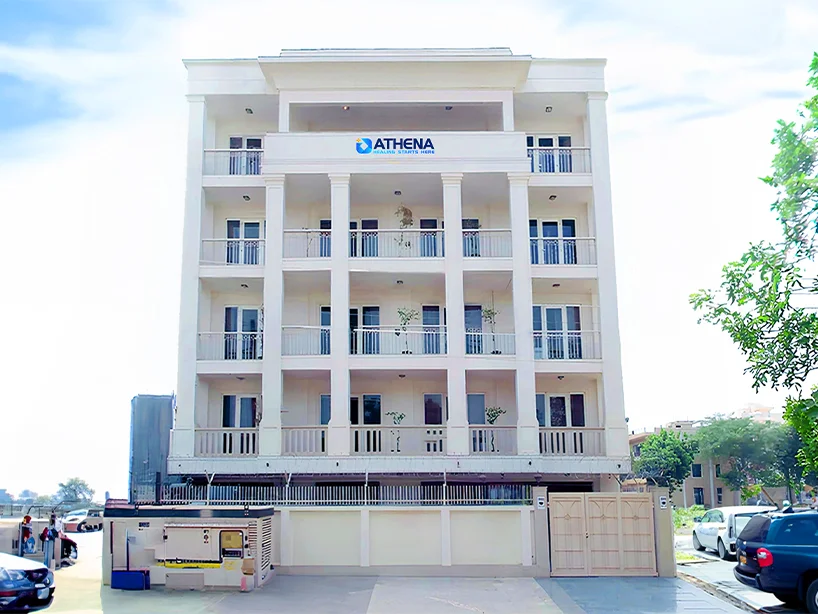
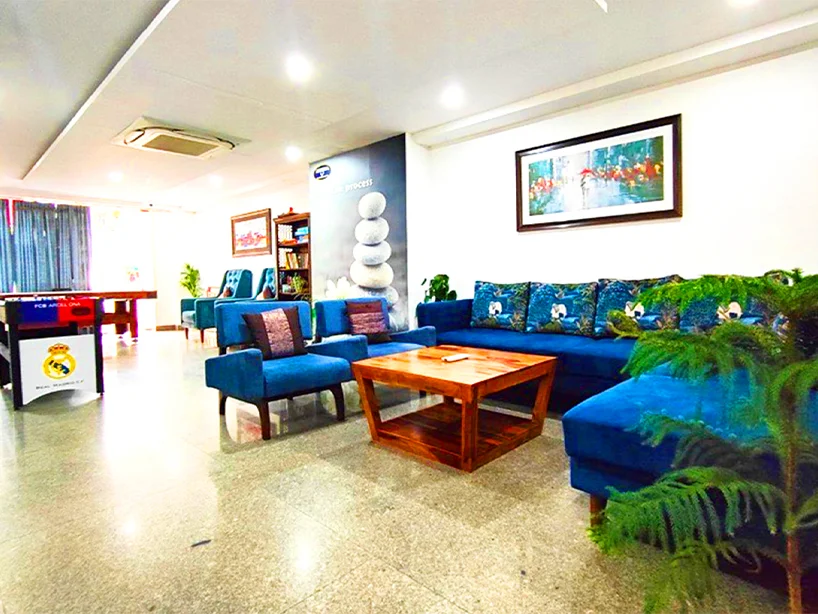
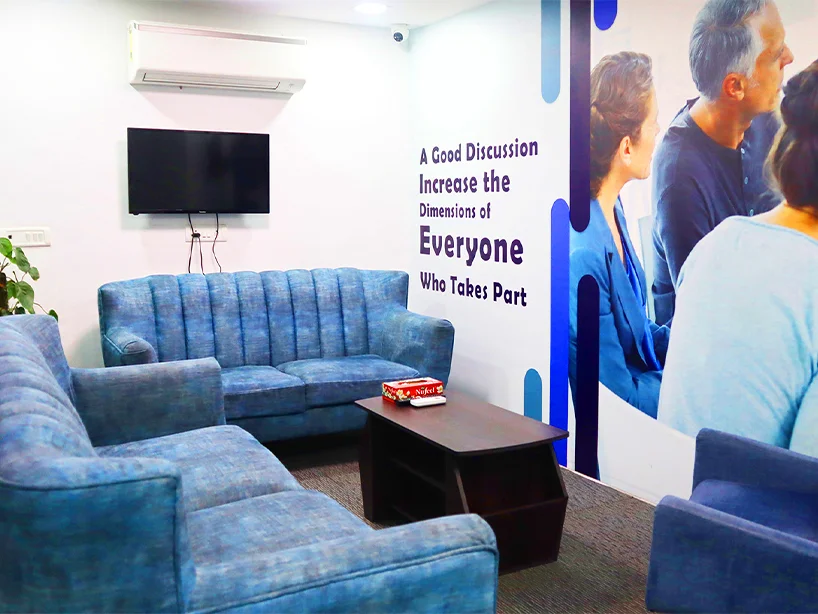
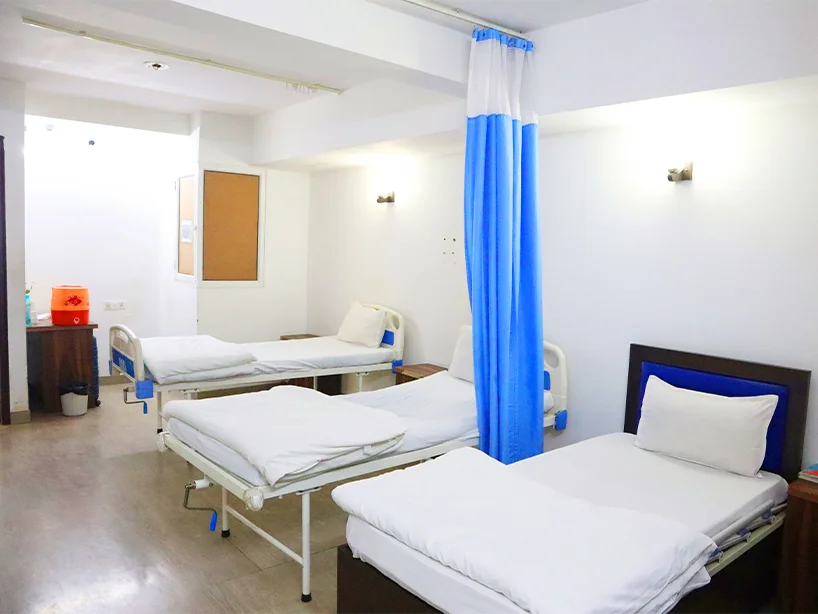
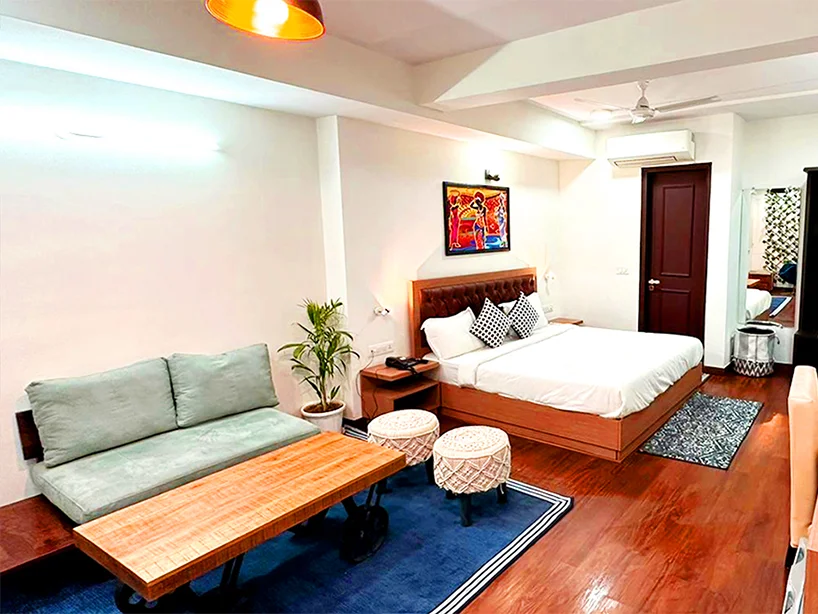
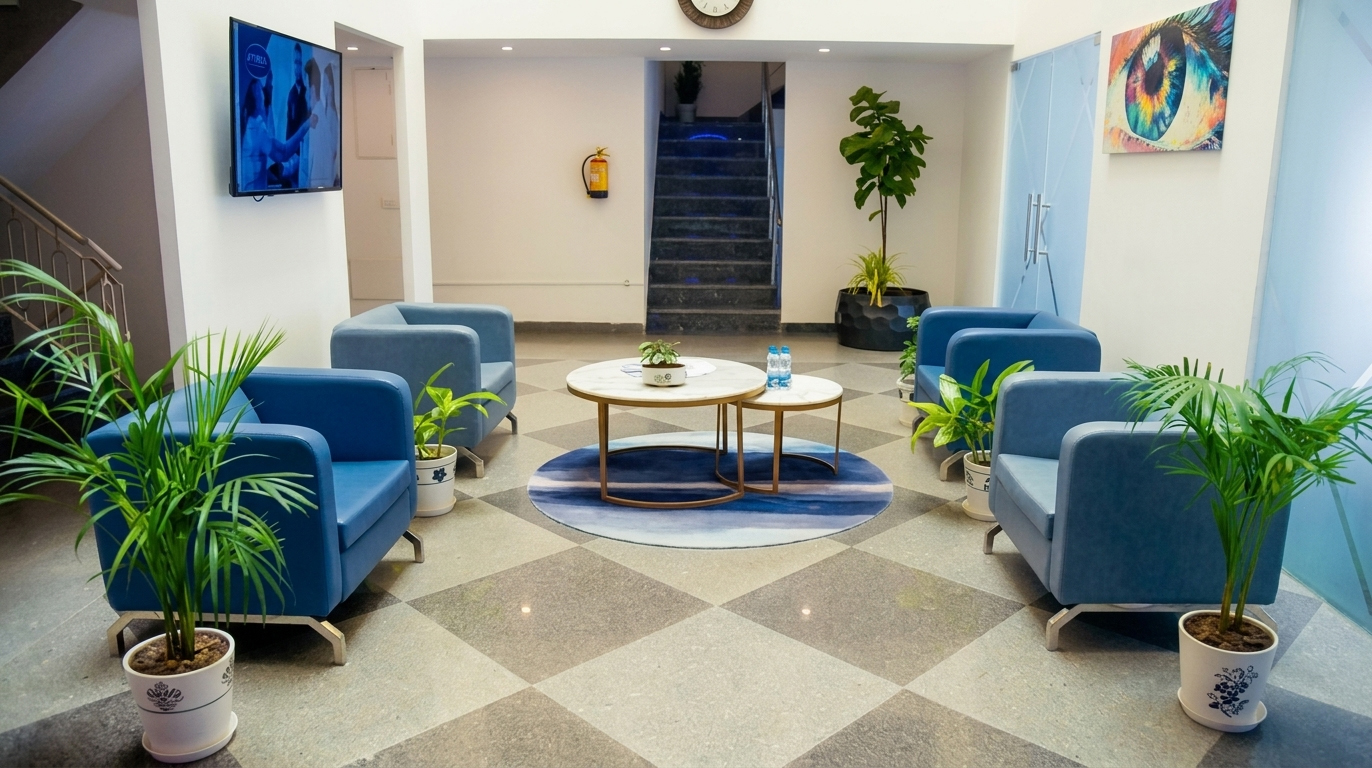
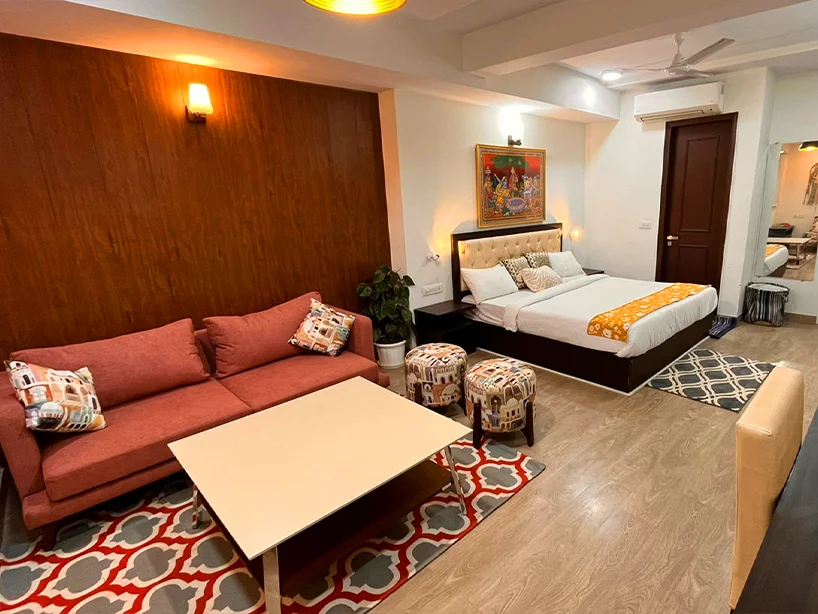
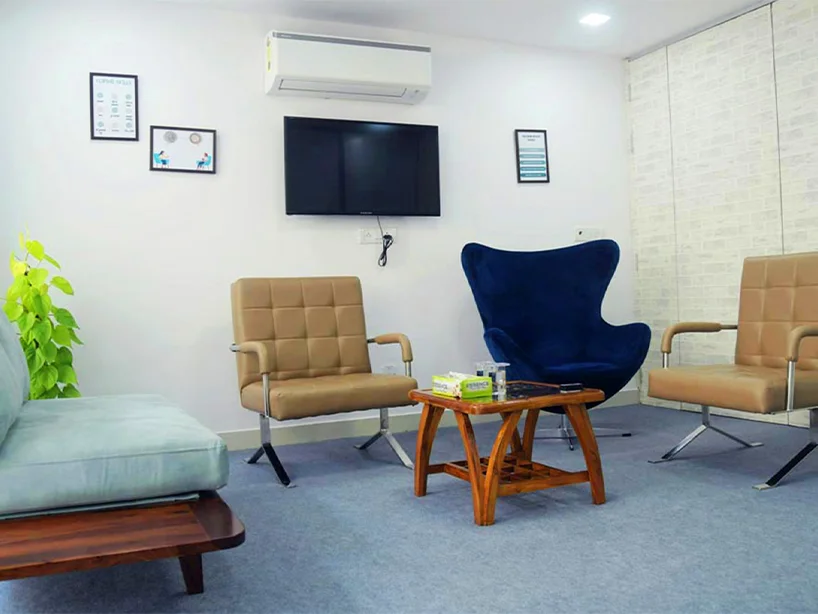
Take a Look Inside Our Gurgaon Facility
Conditions We Treat















.png)






What Our Patients Say
Frequently Asked Questions
A structured process combining psychiatric assessment, individual therapy, and family involvement, where needed, tends to work far better than repeated willpower-based attempts. Professional support addresses the emotional triggers that self-imposed screen-time limits usually can't fix on their own.
Yes, A private online consultation is available for those who want to start the process before committing to an in-person visit.
No, There's no single medication for internet or mobile addiction itself. Where anxiety, depression, ADHD, or sleep issues are also present, medication may be used as part of the broader plan and reviewed regularly, not continued by default.
Yes, we have created a special Day Care Programme where people have several hours of therapy and supervision per day while they live in their usual environment.
Limited screen time is helpful, but it does not solve the problem if the person is addicted to computer usage. It tends to give good results only in combination with other methods.
Yes, Severe distress connected to reduced device access, along with any co-occurring anxiety or depression, is stabilized and managed clinically. We treat these situations seriously and remain reachable at all hours.
Appointments are scheduled so patients never overlap, and consultations happen in private rooms by default. This is standard practice here, not something you need to request specially.
First of all, you need to call yourself to understand the nature of the process. In most cases, family members are more interested in visiting after somebody from their family has gone through the same procedure.
It largely depends on the duration of the pattern and how fast the patient responds. It is absolutely normal if the person shows a slow reaction in the first couple of weeks.
The psychiatrist will spend about an hour discussing the problem of the usage, emotions of the person, his/her environment at home, academic or working pressure, and previous attempts to limit the usage. If the person is a child or a teenager, then the session will be done by our Child & Adolescent Psychiatry.
How to reach Athena - Gurgaon
Athena Behavioral Health, Gurgaon
202, Near DPS Public School, Sector 47, Gurugram, Haryana 122018
Landmark: Near DPS Public School, Sector 47
- DLF Phase 1, 2, 3, 4, and 5
- Cyber City and Udyog Vihar
- Sohna Road and Golf Course Road
- MG Road and IFFCO Chowk areas
- Sector 14, 22, 23, 29, 31, 45, 57, and 67
- Manesar and Dharuhera (industrial corridor)
Contact us: +919289086193
Speak to Our Care Team - 24×7 Confidential Support
Confidential help is just a call or chat away. Our team is ready to listen - without judgment, without pressure.
