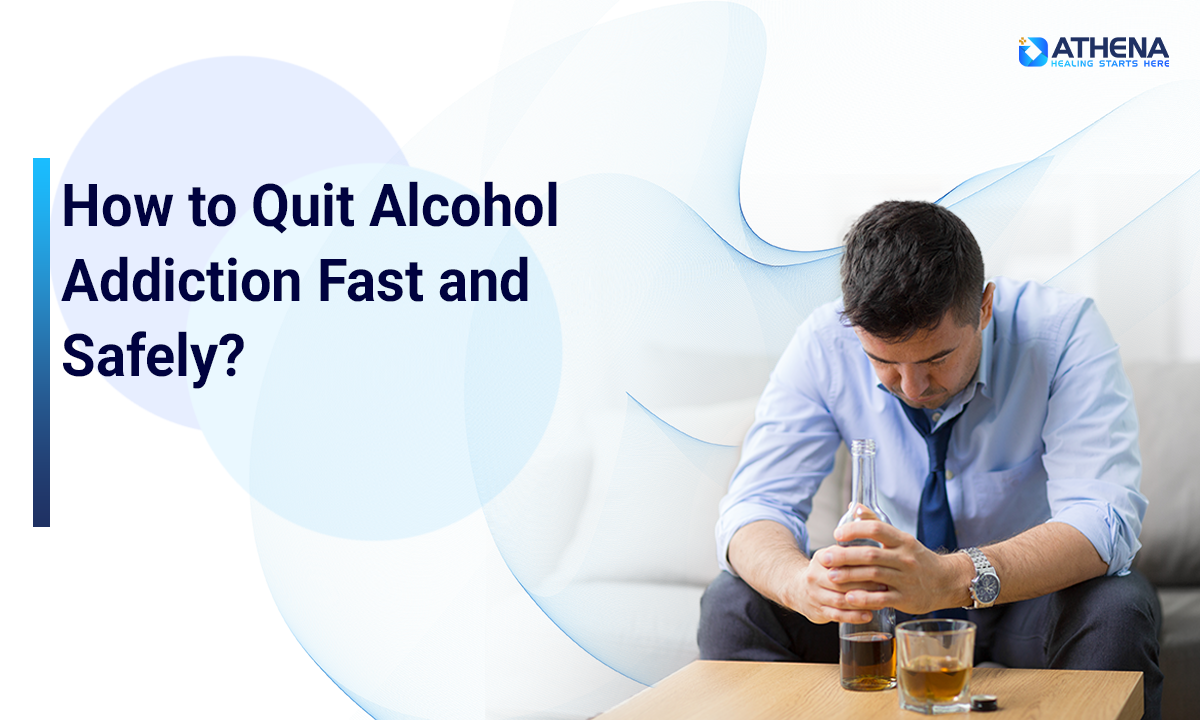

Alcohol addiction can have a serious impact on your health, relationships, and overall quality of life. If you’re wondering how to quit alcohol addiction and start a healthier path, you're not alone. Quitting alcohol is a powerful decision that can improve your physical and mental well-being. This blog will help you understand how to stop drinking alcohol fast and safely, with practical tips and guidance for a successful recovery.
Why Is It Important to Quit Alcohol?
Alcohol addiction can lead to serious health problems, including liver damage, heart issues, and mental health challenges like depression and anxiety. It also strains relationships, affects your work and personal life, and lowers your overall quality of living. The good news is that it’s never too late to stop drinking alcohol and turn your life around.
When you quit alcohol, you can experience:
- Better physical health: Your body starts to recover, and you reduce the risk of chronic diseases.
- Improved mental health: You’ll feel more clear-headed and emotionally balanced.
- Stronger relationships: You can rebuild trust and connection with loved ones.
How to Quit Alcohol Addiction Fast and Safely
Quitting alcohol is a process that should be approached carefully. It's important to make decisions that prioritize both speed and safety. Here are some practical steps to help you quit drinking alcohol effectively.
1. Acknowledge the Problem
The first step in overcoming alcohol addiction is recognizing that you have a problem. It’s important to acknowledge the role alcohol plays in your life and how it’s affecting your health and relationships. Once you recognize the issue, you can commit to taking action and making changes.
- Write Down Your Reasons: Make a list of the reasons you want to stop drinking alcohol. Whether it's for your health, relationships, or personal goals, writing these reasons down helps you stay motivated.
2. Seek Professional Help
Quitting alcohol, especially if you've been drinking for a long time, can be tough and potentially dangerous without support. Detoxing from alcohol can cause withdrawal symptoms like anxiety, tremors, and even seizures. That’s why professional help is crucial.
- Medical Supervision: Detoxing under medical supervision is often necessary. A healthcare provider can help manage withdrawal symptoms and guide you safely through the process.
- Therapy and Counseling: Therapists specializing in addiction can help you understand the emotional and psychological reasons behind your drinking habits. Cognitive Behavioral Therapy (CBT) can help you change unhealthy thought patterns related to alcohol use.
3. Gradual Reduction vs. Abrupt Cessation
Depending on how severe your alcohol addiction is, you may be able to quit gradually or you may need to quit abruptly with medical supervision.
- Gradual Reduction: If you’re not heavily dependent on alcohol, you can reduce your intake over time. This can help ease the process of quitting and lower the risk of withdrawal symptoms.
- Abrupt Cessation: For those with more severe addiction, quitting abruptly might be necessary but should always be done under medical supervision to avoid serious withdrawal symptoms.
4. Build a Support System
Quitting alcohol on your own can be challenging, but you don’t have to do it alone. Building a support system will provide the encouragement and accountability you need to stay on track.
- Support Groups: Joining groups like Alcoholics Anonymous (AA) provides community and support from others who are also in recovery. It’s a great way to connect with people who understand your struggles.
- Family and Friends: Let your loved ones know you’re trying to quit drinking. Their support and encouragement can be essential in helping you stay sober.
5. Replace Alcohol with Healthy Habits
Often, alcohol is used as a way to cope with stress, boredom, or social anxiety. To quit drinking, it’s essential to find healthier ways to manage these emotions.
- Exercise: Physical activity can boost your mood and reduce cravings. Try walking, running, or yoga to keep your body and mind active.
- Mindfulness and Meditation: These practices can help reduce stress and keep you focused on your recovery. They help you stay calm and avoid the temptation to drink.
- New Hobbies: Find activities that bring you joy, such as painting, reading, or learning new skills. This will keep you occupied and distracted from alcohol.
6. Avoid Triggers and Temptations
Avoid situations that make you crave alcohol, such as going to bars, parties, or social gatherings where drinking is the main focus. It's important to stay away from people or environments that encourage alcohol consumption.
- Social Support: Surround yourself with friends who respect your decision to quit drinking. Having a solid support network makes it easier to stay on track.
- Make New Habits: If socializing often involves drinking, try to find new ways to connect with friends, such as attending fitness classes, going for hikes, or having a movie night at home.
7. Focus on Your Health and Well-Being
Focusing on your physical and mental health can motivate you to stay sober. Once you quit drinking, you’ll begin to notice improvements in your energy, mood, and overall well-being.
- Track Your Progress: Celebrate small victories, whether it's a day, week, or month of sobriety. Tracking your progress helps you stay motivated.
- Reward Yourself: As you reach milestones in your recovery, treat yourself with something positive—whether it’s a new book, a relaxing spa day, or a special outing.
Benefits of Quitting Alcohol
The benefits of quitting alcohol go far beyond improved physical health. Some key benefits include:
- Better Sleep: Alcohol disrupts sleep patterns, but once you quit drinking, you’ll enjoy deeper, more restful sleep.
- More Energy: Without alcohol draining your energy, you’ll feel more active and motivated throughout the day.
- Improved Mood: Alcohol can contribute to mood swings, depression, and anxiety. Quitting can lead to more emotional stability and a positive outlook on life.
- Stronger Relationships: Alcohol addiction can harm relationships. By quitting, you can rebuild trust with loved ones and improve your social connections.
Take the First Step Toward a Healthier, Alcohol-Free Life
If you’re ready to quit alcohol and reclaim your health and happiness, Athena Behavioral Health is the best rehabilitation centre in gurgaon here to help. Our expert team is dedicated to providing the support, guidance, and resources you need to quit drinking alcohol and live a healthier life.
Call us at +91 9289086193 Athena Behavioral Health today and take the first step toward a drug-free, alcohol-free life. Our experts are here to support you on your journey to recovery.