
 WhatsApp
 Emergency
How Gratitude Practices Help Reduce Anxiety Naturally
 Share
Share
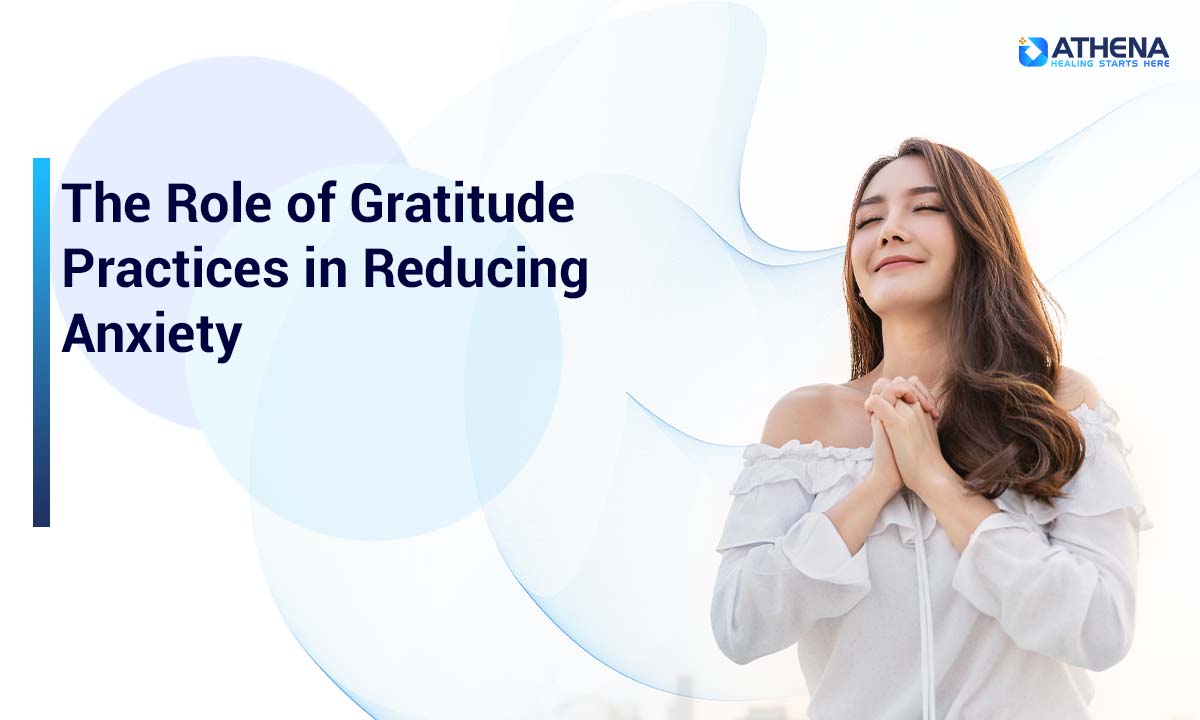
Has it ever occurred to you how your mind insists on worrying as compared to positive things? Anxiety in the present-day hectic world has become a normal experience, and it is experienced by both the young and the old. Though therapy and medication are vital to many, Gratitude Practices have become a mighty and natural method to help improve the emotional state. Gratitude also enhances relaxation of the nervous system because of conscious focus on what is going right and the effect of gratitude decreases anxiety in the long run.
The definition of Anxiety and its influence on Mental Health
Anxiety is not a momentary worry. It is an unremitting fear, anxiety, or worry that disrupts daily life. Physical symptoms that are caused by anxiety include increased heart rate, tiredness, sleeplessness, and loss of concentration. Long-term effects of unmanaged anxiety include negative effects on Mental Health, reduced self-confidence, productivity and emotional stability.
Anxiety causes focus to be limited to perceived threats when it is the dominant feature of the mind. This state of constant alertness tires the brain and it is hard to feel relaxed or happy. Here the deliberate emotional habits, such as Gratitude Practices, would be of use as a means of mental balance.
What Are Practices of Gratitude?
Gratitude Practices are deliberate measures that assist you in recognizing and appreciating the good things in your life; both large and small. The practices help the brain become trained to see positive experiences instead of focusing on problems only.
The simplest forms are taking notes on what you are grateful for in life, having positive thoughts about comforting situations, or giving a prayer of gratitude to someone. With time, gratitude is a way of thinking and not an activity. It becomes habitual and can gradually transform the way of thinking and develop emotional sensitivity.
The Science of How Being thankful can help with Anxiety
According to scientific research, gratitude triggers parts of the brain that are linked to dopamine and serotonin-chemicals that cause one to feel relaxed and happy. Gratitude decreases cortisol level which is the stress hormone.
Numerous studies reveal that individuals who practice gratitude exercises on a regular basis will have a reduced level of Anxiety, better emotion regulation, and become psychologically stronger. The brain will eventually come to stop the loops of anxious thoughts and shift the focus to stability and reassurance.
The benefits of Gratitude to Your Psychological well-being
Gratitude helps you to solve problems but not to stop them; gratitude alters your reaction to them. Some of the most important Benefits of Gratitude to emotional well-being are as follows:
Minimizes Overthinking and stress
Appreciation breaks the continuous worry habits. Once the mind starts to focus on appreciation, anxious thoughts have less room to occupy in the mind.
Enhances Control of Emotions
Gratitude is a regular process that enables individuals to respond and not react. Emotional reactions become more moderate and less impulsive anxiety reactions.
Enhances Sleep and Calmness
Being thankful at bedtime reduces mental clutter and the body gets into a more relaxed condition and the sleep quality gets better.
Develops Long term Emotional endurance
Gratitude makes a person steadfast in the long run. Individuals acquire skills of dealing with ambiguity and stress without experiencing any sense of being overwhelmed.
Mindfulness and Gratitude, an Effective Pair
The combination of Mindfulness and Gratitude is the most effective. Mindfulness makes one conscious of the present moment, whereas gratitude gives positive significance to that consciousness. Combined, they assist people to be non judgmental when it comes to accepting experiences, and value moments of peace even in hard times.
Mindful gratitude promotes tender observing, as opposed to artificial joy. This style is particularly useful in individuals who are facing anxiety as it stops the process of emotional suppression and enhances calm acceptance.
Uncomplicated Gratitude Meditations to alleviate Anxiety
Gratitude Practices do not involve any additional time or effort in order to incorporate them into daily life. Regular but minor actions are better than irregular vigorous actions.
Gratitude Journaling
List three things you are thankful about, daily. They may be basic like a hot meal or a friendly chat.
Mental Gratitude Check-Ins
Take breaks throughout the day and in your mind recognize one thing that makes you feel supportive or comforting at that time.
Gratitude Before Sleep
Taking a look back into the good things gives one a chance to calm the nervous thoughts and relax before sleep.
Appreciation of Hard Times
Even in the stress, one can alleviate emotional tension by recognizing any little positives, such as inner strength or support systems, which will contribute to the Reducing Anxiety without any drugs.
What is the average length of time that gratitude can lessen anxiety?
The appreciation of gratitude is not a quick fix. The vast majority of individuals start feeling that they observe minor emotional changes within two to three weeks of regular practice. The anxiety responses are weakened and emotional recovery is faster.
The outcomes will be long-term and rely on frequent interaction. Similar to physical exercise, gratitude is like emotional exercise that builds emotional muscles. It is more about consistency rather than perfection.
Common myths about Gratitude and Anxiety
The gratitude myth that gratitude means not paying attention to problems is one of them. As a matter of fact, gratitude does not refute challenges, but it lives with them. The second myth is that gratitude is only effective when things are going well in life. The fact is it is usually the strongest in the hard times.
Others say that gratitude is a passive process, yet to be an effective Gratitude Practice one has to practice it consciously and regularly in order to re-pattern the mind.
When Gratitude Alone is Not Enough
Although gratitude helps, serious anxiety disorders can be addressed with the help of a professional. Gratitude is not to be considered as a substitute to therapy and counseling, as well as medicine.
In case the anxiety disrupts normal functioning, consultations with mental health experts will guarantee adequate care, and gratitude will facilitate emotional recovery in addition to treatment.
Conclusion
The practice of gratitude is an easy but transformative approach. Gratitude Practices help people calm their minds and become safer, calmer and more balanced with time. Gratitude opens up emotional space to heal, gain clarity, and resilience by changing the perspective of fear to the perspective of appreciation. Together with awareness, patience and professional assistance in the form of need, gratitude becomes an effective partner in long-term mental health. Why wait anymore? Connect Athena Behavioural Health now to ensure mental wellbeing of your loved ones.






 Get Help Today