
Cannabis Addiction Treatment in Guwahati
Athena Behavioral Health's cannabis addiction treatment in Guwahati is built around the person, not a fixed program. Whether it's a worried parent, a spouse holding things together, a professional guarding their privacy.
- Private intake within 24 hours
- Supervised medical detox
- Therapy focused on cannabis use
- Family involved only when it helps
- Fully private consultations
- Follow-up support after discharge
Book Your Appointment

Not Sure Yet? That's Fine. Just Start the Conversation.
Cannabis use tends to slip past everyone's notice until it can't be ignored anymore. It looks like someone is always seeming tired for no clear reason, snapping over small things, or backing out of plans with excuses that don't quite hold up on their own. This isn't about the odd smoke here and there. It's about what happens once a day starts to feel impossible to get through without it.
At Athena Behavioral Health Guwahati, cannabis addiction drug treatment in Guwahati begins with a psychiatrist sitting down to separate what's physical, what's behavioral, and what's been building underneath both, long before a treatment plan is even drafted. Many families tell us this is the first time anyone has actually explained what's happening, rather than just listing off symptoms they already knew about.
"Severe panic, vomiting, disorientation, or a racing heart after cannabis use should always be treated as an emergency. Call your local emergency number or head to the nearest hospital right away. A medical crisis gets ruled out before anything else happens."
Our Dedicated Team for Cannabis Addiction Treatment in Guwahati
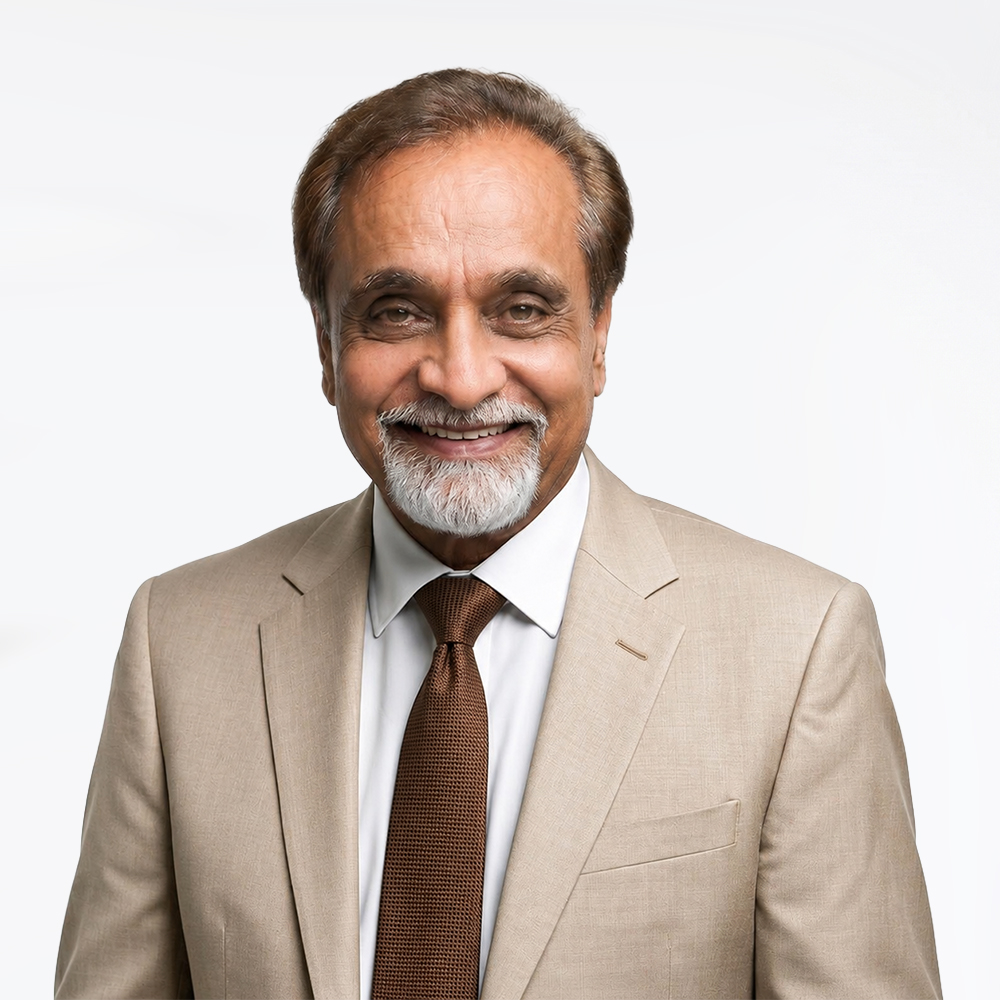
Prof. (Dr.) Nimesh G. Desai

Dr. Sushil Agarwalla

Dr. Sahil Agarwal
The First Few Days Set the Tone for Everything After
We Listen Before We Diagnose:
This first discussion will include how long this behavior has been going on, what has changed each day, and whether another factor, such as stress or anxiety, is causing it.
Detox Is Managed By Our Professionals:
Withdrawal symptoms such as trouble sleeping, nausea, or irritability are clinically managed, which means that families are not left to figure it out at home.
No One Runs into Another in the Waiting Room:
Appointments are strategically scheduled so that the privacy of all patients is ensured.
Medications Are Used for a Purpose:
The medications are used to treat withdrawal symptoms, frequently monitored, and minimized when therapy becomes the primary treatment.
We Dig Past the Behavior into the Source:
The therapy depends on the trigger of the problem, which can be academic stress, feeling alone, or work-related stress.
Our Help Does Not End at Discharge:
Check-ups are frequent after discharge since the risk of relapse does not disappear upon the end of our program.
Clinical Excellence
Our Team Doesn't Treat Cannabis as a "Minor" Addiction
Substance use disorders are the primary focus of our psychiatrists and therapist in Guwahati, not a side interest alongside other conditions. Their training, daily practice, and ongoing learning all centre on understanding addiction and helping people recover from it. Our team takes every case seriously from the very first conversation, whether the use started recently or has been part of daily life for years.

Cannabis dependency in particular gets brushed off far too often, as if it were harmless or something a person can simply outgrow. This is exactly why so many people go untreated for years, until the habit starts affecting their sleep, studies, work, or relationships. We treat it as the genuine medical and psychological condition that it is, without judgment.
No two cases look the same. Someone using cannabis to cope with the isolation of hostel life needs a different plan than a professional using it to switch off after a demanding workday. Their triggers, sleep patterns, and stress levels are different, so the treatment should be too. That's part of why people looking for the best cannabis addiction treatment in Guwahati usually hear about us from someone they trust, rather than an advertisement. The plan is genuinely built around the person and adjusted as they progress.
The same clinician stays with a patient from the first evaluation all the way through discharge, so there's no need to repeat the whole story to someone new midway through. This continuity builds trust and makes it easier to speak openly about difficult topics. It also helps the clinician notice small changes in mood, sleep, or cravings early and respond before they become setbacks.
Modern Lifetime Challenges
Guwahati's Daily Grind Hides More Than It Reveals
Traffic that takes away hours along roads like GS Road and Six Mile, endless periods of monsoon rains that imprison people indoors, students studying outside of their homes for the first time, and a working environment that demands continuous availability all subtly contribute to stress. Evenings get shorter, sleep gets pushed later, and there is very little time or space left to switch off. Cannabis usually comes to fill these small stressful gaps, starting as a harmless way to unwind, until it becomes indispensable for the individual without them noticing when the change happened.
There is a big distinction between someone who uses cannabis on an occasional basis and someone who has become dependent on it. The first person can usually take it or leave it, and their life carries on much the same either way. The second person finds that cutting back is far harder than expected, and that the effects of regular use begin to show in their mood, energy levels, motivation, and daily routine.
Occasional Use: It does not interfere with sleeping, working, or interpersonal relations in any way. The person can go days or weeks without using and feel no discomfort, and use stays limited to specific occasions or social settings rather than becoming a daily habit.
Dependency: The use of cannabis has become a necessity for the individual in order to feel normal, and ceasing its use causes suffering. Irritability, anxiety, poor sleep, and loss of appetite often appear within days of stopping, higher amounts are needed to get the same effect, and daily plans slowly begin to revolve around when and how to use.

From First Assessment to Long-Term Stability: How Treatment Works in Guwahati
Nobody arrives at treatment on the same day of their journey. Some people show up the moment they notice they can't get through a week without using, worried but early. Others arrive years into a daily habit, after tolerance has crept up and a schedule has quietly rearranged itself around use. Because of this, treatment in Guwahati isn't built as one fixed track everyone follows in the same order; it addresses the problem from multiple angles at once, since cannabis dependency rarely affects just one part of a person's life.
| What's Being Addressed | How It's Handled | Why It Matters |
| Physical Withdrawal | Medical monitoring and symptom management in the early days | Reduces discomfort and risk during the hardest initial stretch |
| Underlying Triggers | One-on-one counselling to unpack stress, homesickness, or work pressure | Use rarely happens without a reason; the reason needs treating too |
| Thought Patterns & Habits | Cognitive behavioural techniques to break automatic use patterns | Helps replace the habit loop rather than just resisting it through willpower |
| Family or Peer Dynamics | Family sessions or group therapy, where appropriate | Recovery holds better when the people around someone understand what's happening |
| Long-Term Stability | Relapse-prevention planning and periodic follow-ups | Keeps progress from unravelling once daily support ends |
What Families Usually Catch Only in Hindsight
Most people wait for one dramatic moment before stepping in, when in reality the signs have usually been there for some time already. Here's what tends to go unnoticed the longest.
Personality Swings
Sudden irritability or pulling away from people they used to talk to freely.
Sleep and Eating Patterns
Flipped Staying awake late into the night, sleeping through the day, or eating at odd, inconsistent times.
Money Going Missing
Small, recurring amounts of cash or belongings disappear during periods of heavier use.
Restlessness
When They Try to Cut Back Anxiety or agitation showing up within a day or two of not using.
A Drop in How They're Performing
Slipping grades, missed work deadlines, or a supervisor starting to ask pointed questions.
Denial Even When It's Obvious
Insisting everything is normal, even as everyone around them notices otherwise.
Not Sure If This Is You? Talk to a Specialist
Confidential Support, available 24×7
About Therapy At Athena
The Path From First Appointment to Recovery
Step 1: Complete Understanding First
The psychiatrist examines the patient's background with marijuana use, his physical symptoms, his family history, and other psychiatric problems before the plan is developed.
Step 2: Medical Detoxification
Medical supervision allows handling physical symptoms the moment they occur, not later.
Step 3: In Order to Cut to the Chase
The methods CBT and MI deal with the core triggers of the problem, providing the patient with the necessary skills to cope with it in daily life.
Step 4: In Order to Set the New Normal Routines
Adjusting sleeping habits, daily schedule, and involving the family when required.
Why Choose Us
The Symptom Is Never the Whole Picture

None of our treatment programs are planned in isolation. The psychiatrist and therapist work off the same data, so the plan a patient gets is a shared decision, not two separate opinions stitched together. Recovery isn't treated as a finish line either. Every patient leaves with a clear, personal roadmap for what could trigger a relapse and exactly what to do if it happens, so the plan doesn't stop being useful the day treatment ends.
We also don't believe in slotting people into age or severity brackets. A college student experimenting under peer pressure and a working professional dependent for years both get evaluated on their own terms, not measured against a generic cannabis-use checklist. And because the same clinician stays with a patient start to finish, nothing gets lost in translation between the intake conversation and the actual therapy sessions, which is often where other programs quietly fall apart.
If privacy, speed, and a plan that's actually built around you matter more than a generic program, the rehab center in Guwahati is ready to start right after your first call. Your first assessment is handled discreetly, all communication stays strictly confidential, and there is no long waiting period before treatment begins.
How We Help
From That First Difficult Message to Ongoing Support
Reaching out is usually the hardest part. Here's what happens once you do.
Call our helpline or message us on WhatsApp, and you'll get confirmation of your first appointment the same day
A psychiatrist works through symptoms, history, and personal circumstances, either face-to-face or over a private video call.
Detox, therapy, and family sessions are combined in whatever way actually fits the situation.
Scheduled follow-ups afterward help make sure progress holds once regular life picks back up.
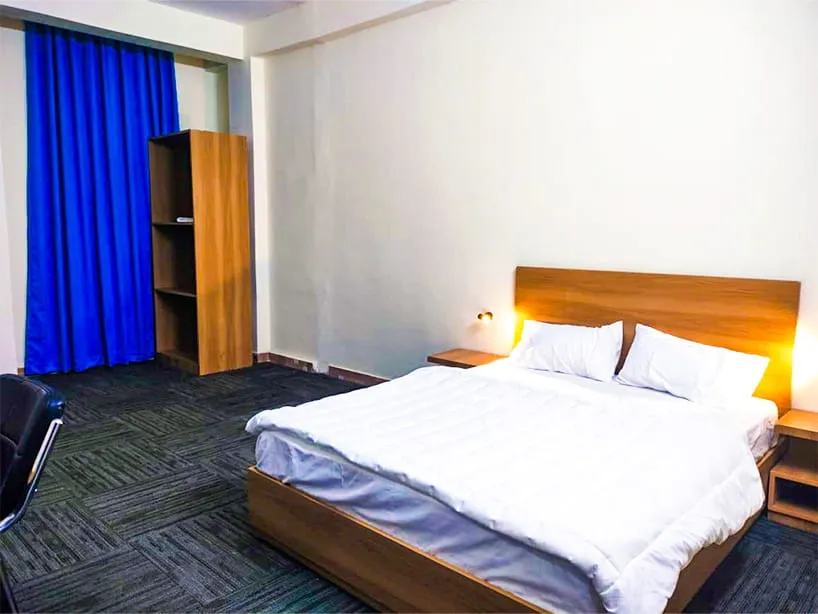
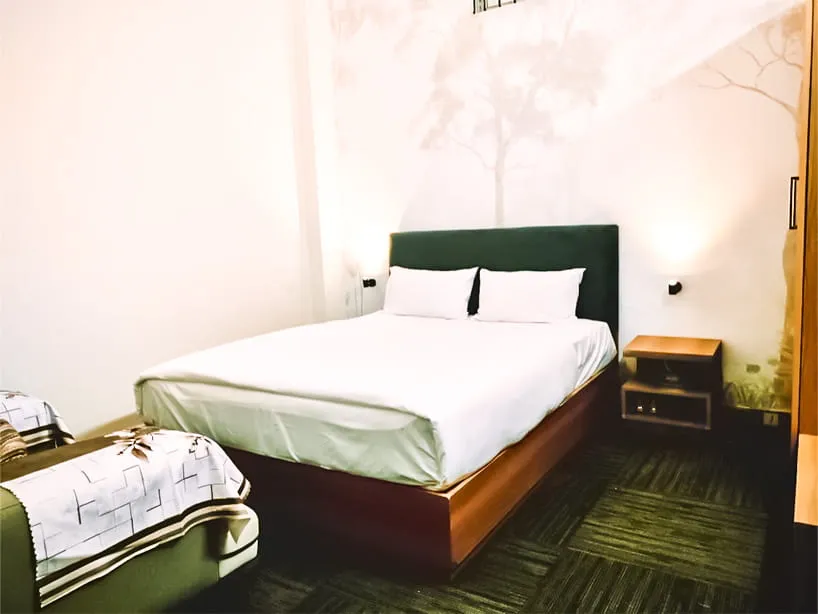
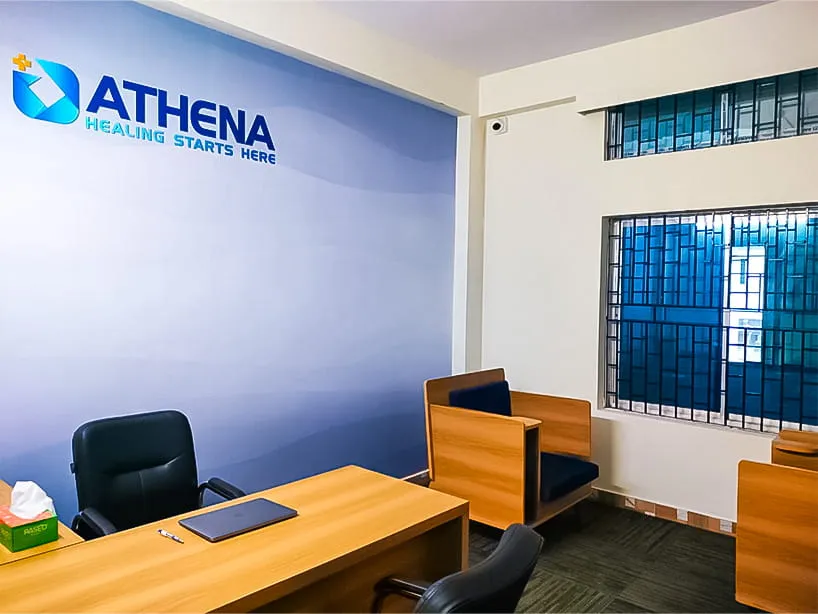
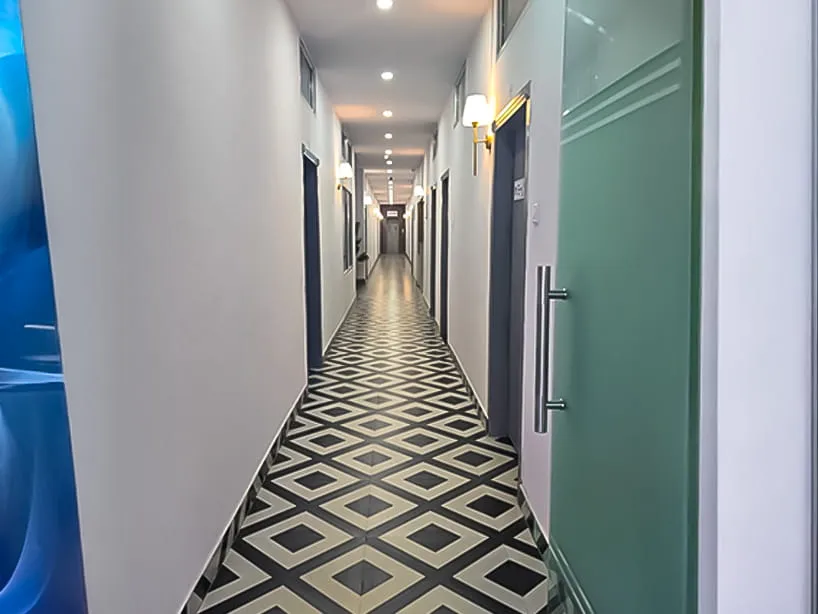
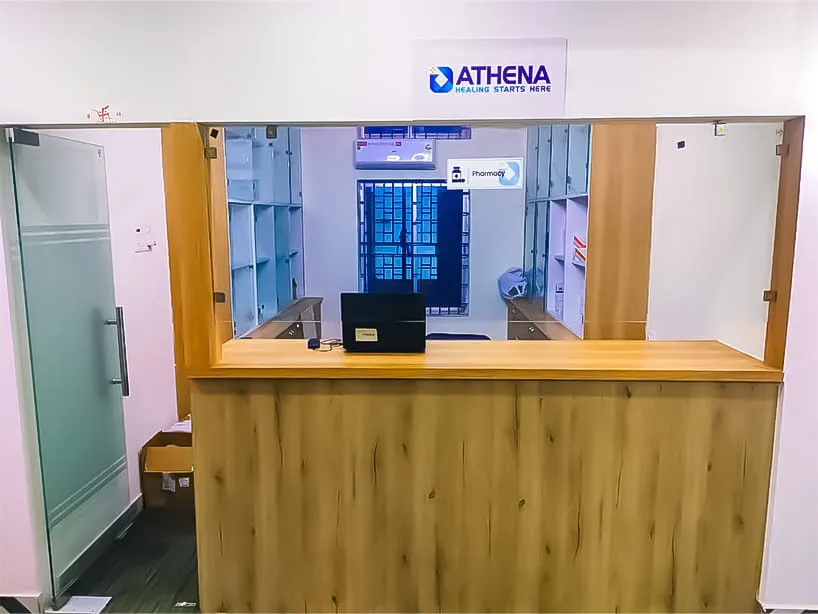
Take a Look Inside Our Guwahati Facility



Conditions We Treat














.png)






What Our Patients Say
Frequently Asked Questions
A structured process involving psychiatric evaluation, individual counseling, and supervised detox, where necessary, tends to work better than repeated solo attempts to quit. Professional support addresses the causes that self-help methods usually can't reach.
Yes, A private video consultation is offered for anyone who isn't ready to visit the clinic right away, and it's often the easiest way to get started.
Not necessarily; medications are only prescribed for particular withdrawal symptoms, undergo frequent revisions, and many people complete the treatment solely through therapy.
It depends on how long the problem has existed and how the person reacts to the very beginning of treatment. The slow progress is absolutely normal.
Improvements in sleep and routine indeed help, yet in most cases, they are not sufficient on their own. Such steps tend to be effective when they are complemented by therapy.
It usually means stabilizing acute symptoms such as intense panic, a racing heartbeat, or confusion in a clinical setting until they pass. We treat these situations as urgent and remain available at all hours.
Appointments are spaced out so patients never overlap, and every consultation happens in a private room by default. There's no need to ask for special arrangements.
First of all, call yourself because it becomes easier to go to such a consultation after a person in your surroundings has done that.
It occurs rather rarely and mainly applies to those cases when the condition is really serious. Most patients manage to cope with the procedure without the need to be hospitalized.
The psychiatrist speaks with the patient concerning his or her history of cannabis use, symptoms, background, and past attempts to quit using the substance.
How to reach Athena - Guwahati
Athena Behavioral Health, Guwahati
Athena Behavioral Health, Guwahati, Assam
Landmark: Guwahati
- Guwahati City
- Northeast India region
Contact us: +919289086193
Speak to Our Care Team - 24×7 Confidential Support
Confidential help is just a call or chat away. Our team is ready to listen - without judgment, without pressure.