
Best Cannabis Addiction Treatment in Delhi
Athena Behavioral Health offers cannabis addiction treatment in Delhi for people who've reached exactly this point, where explaining it away has stopped being possible.
- Confidential Psychiatric Evaluation Within 24 Hours
- Detox Support Supervised by Medical Staff
- One-on-One CBT for Cannabis Use Disorder
- Family Sessions Included, Not Charged Separate
- Private Rooms, No Shared Waiting Areas
- Aftercare Calls for Months Post-Discharge
Book Your Appointment

The First Step Doesn't Have to Be a Big One
Cannabis addiction usually comes without an obvious warning sign, and it can be mistaken for a smell that you have come to dismiss as usual, a temperamental mood that has not been seen before, or a pattern of activities that has changed into getting stoned. This is not an issue based on the use of the drug but on the dependency caused after it becomes impossible for the mind and the body to work without it.
The process of cannabis addiction treatment starts with a psychiatrist analyzing the physical, behavioral, and psychological aspects of the patient at Athena Behavioral Health in Delhi. Most patients have revealed to us that it has been the first time anyone has been able to explain their patterns as opposed to diagnosing them based on the symptoms. It is all about changing permanently and not temporarily feeling better before relapsing.
"If someone is experiencing severe panic, vomiting, disorientation, or a rapid heartbeat after cannabis use, please treat this as urgent. Contact your local emergency number or reach the nearest hospital immediately. Ruling out a medical emergency always comes first."
Our Dedicated Treatment Team for Cannabis Addiction

Prof. (Dr.) Nimesh G. Desai

Dr. Ashish Mittal

Dr. Rahul Rai
Inside Cannabis Addiction Treatment in Delhi: What the First Few Days Look Like
We Don't Skip the Basics
Before therapy starts, we look at how the use began, what's changed in daily behavior, and whether anything else, like anxiety or sleep disruption, is tangled up with it.
Withdrawal Is Handled Medically
Irritability, nausea, and disrupted sleep during early withdrawal are managed clinically, not left for the patient to push through alone
No Waiting Room Exposure
Appointments are scheduled to avoid overlap, so no one has to sit across from someone they might recognize.
Prescriptions Only Where Warranted
Medication is used narrowly, for withdrawal symptoms specifically, and reassessed regularly instead of continued by default.
Sessions Focus on the Actual Trigger
Whether it's peer pressure, work stress, or boredom, therapy digs into what's driving the use, not just the fact that it's happening.
Support Doesn't Stop at Discharge
We stay in touch through scheduled calls long after the formal program ends, because relapse risk doesn't disappear on day one
Clinical Excellence
Specialists in Substance Dependency, Not General Practitioners Handling One More Case
Our doctors and therapists specialize exclusively in treating substance use disorder. Cannabis dependence is usually viewed as non-hazardous by those outside the field, so the problem often goes under-treated until it starts affecting work, relationships, or mental health. Our team knows this is not a minor issue, and they treat it with the seriousness it deserves.

Not all cases are the same. A college student using marijuana to cope with social anxiety is in a very different situation from an executive using it to manage sleep and stress after long working hours. The triggers and underlying conditions differ, so every treatment plan is built around the person rather than a template.
This is why, when people search for the best treatment for cannabis dependence in Delhi, we get clients through referrals more often than through our advertising. Families and former patients recommend us because they have seen how personalised, non-judgmental care makes recovery feel achievable. We work to earn that trust with every patient.
Each patient has one dedicated psychiatrist throughout the treatment process, from the first assessment to the final follow-up. You do not have to repeat your story to a different person at every visit. This continuity builds trust, helps the doctor notice small changes early, and makes it easier to adjust the treatment when needed.
Modern Lifetime Challenges
Delhi's Pace Doesn't Leave Much Room to Notice a Problem Forming
When the rush hour takes away from your sleep time, the poor air quality keeps you cooped up inside and disconnected, and the lifestyle of burnout is celebrated and flaunted, it's no wonder that an unhealthy coping mechanism goes unchecked until it isn't just a little thing anymore. The use of marijuana has been viewed as an innocent release until it becomes necessary.
There is an important distinction between those who use marijuana occasionally among friends and those who have developed a genuine dependence on it. Individuals in the latter category typically experience withdrawal symptoms, growing tolerance over time, and a daily schedule increasingly adjusted to accommodate their use. At a trusted rehab centre in Delhi, recognising this distinction early is key to determining the right course of treatment.
Occasional Use: Does not interfere with sleeping, working, or interacting with people in any noticeable manner. Dependency: The use of marijuana has become essential in order to function normally, and causes physical/ emotional discomfort when quitting.
Dependency Signs: The person feels irritable, anxious, or unable to sleep when they try to cut back, and needs more than before to get the same effect. Daily plans, spending, and even friendships slowly start to revolve around when and how they will use.

What Recovery Actually Looks Like, Stage by Stage
No two people arrive at treatment carrying the same story, so recovery isn't a single fixed program but a set of stages that flex around how deep the dependency runs and what kind of life someone needs to get back to. Someone who has been using it daily for years needs a very different starting point than someone who has just started noticing the pull becoming harder to ignore. Good treatment in Delhi is built to move with that reality, stepping care up when someone needs more structure and stepping it back down as they regain stability, rather than forcing everyone through the same fixed path.
| Stage of Care | What Happens Here | Who It's For |
| Assessment & Check-In | A doctor and counsellor map out use history, mental health, and any physical symptoms | Anyone unsure whether it's habit or dependency |
| Residential Care | Full-time structured environment away from daily triggers | Long-term or heavy daily users |
| Day Program | Therapy and support during the day, home life continues at night | Moderate use with a stable, supportive household |
| Flexible Outpatient Sessions | Regular one-on-one or group sessions worked around a job or college schedule | Working professionals and students |
| Ongoing Aftercare | Check-ins, relapse prevention tools, and community support | Anyone maintaining recovery long term |
If You're Asking Whether It's Serious, It Probably Already Is
Families often wait for one dramatic moment before acting, when in reality the pattern has usually been visible for a while. Here's what tends to get overlooked the longest.
Mood Swings That Don't Match the Situation
Sudden anger or withdrawal over small things that never used to matter.
Sleeping at Odd Hours
Staying up late and sleeping through mornings, with appetite shifting alongside it.
Cash or Items Disappearing Quietly
Small thefts or unexplained spending that line up with periods of heavier use.
Physical Discomfort
When they try to cut back, restlessness, irritability, or difficulty sleeping within a day or two of stopping.
A Drop in Performance
That's hard to ignore: grades slipping, work deadlines missed, or a supervisor asking pointed questions.
Insisting Nothing Is Wrong
The clearest sign is often the denial itself, especially when everyone else can see the change.
Not Sure If This Is You? Talk to a Specialist
Confidential Support, available 24×7
About Therapy At Athena
The Actual Path From First Call: Best Cannabis Addiction Treatment in Delhi
Step One, Evaluation
The psychiatrist assesses usage history, physical symptoms, and any other information, such as family history and any current mental health disorders, prior to making any decisions.
Step Two, Managed Withdrawal
When withdrawal is necessary, it takes place within a clinical setting where the physical symptoms will be attended to as they arise.
Step Three, Individual Therapy
Individual therapy through CBT and MI will address the individual triggers of the use behavior, on a session-by-session basis, giving the patient skills that work outside the clinical environment.
Step Four, Reintegration
It works to reconstruct sleep routines, day routines, and family interactions.
Why Choose Us
We Treat the Person, Not Just the Substance

Every treatment decision here involves both a psychiatrist and a therapist working from the same file, not two separate tracks that never talk to each other. They review progress together, share observations after every session, and adjust the plan as a team. That coordination is what keeps physical symptoms such as poor sleep, irritability, and cravings from being treated separately from psychological triggers like stress, anxiety, or old habits.
Recovery doesn't end when the formal program does. Patients leave with a specific, written relapse-prevention plan that covers their personal triggers, daily routines, and clear steps to follow if cravings return. They also leave knowing that they can reach back out if things get difficult again, without hesitation or judgment, and that follow-up support is available whenever they need it.
For professionals who can't have this affect their career, our cannabis rehab in Delhi is structured for speed and privacy from the very first call. Assessments are handled discreetly, communication stays confidential, and scheduling is planned around your work commitments wherever possible. Time away from work is kept to what's genuinely necessary, nothing more, so you can focus on recovery and return to your responsibilities with confidence.
How We Help
What Happens Between Your First Message and Ongoing Recovery
Getting in touch is always the most difficult part. That's how the treatment will go once you do.
Phone or WhatsApp us, and get an immediate reply scheduling your first appointment within the day.
The psychiatrist goes over your symptoms, medical background, and the details of your case in person or by video conference.
Detoxification, therapy, and family consultations are all incorporated in the plan, depending on the particular case.
Follow-ups after discharge ensure that the motivation generated during the treatment doesn't fizzle away back at home.
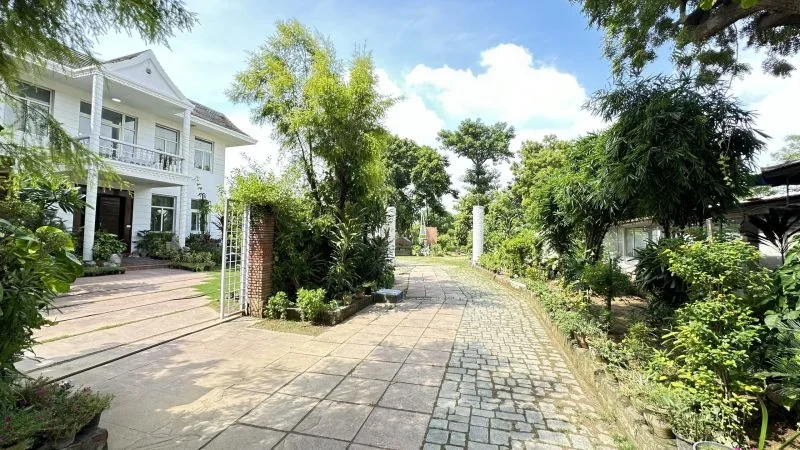
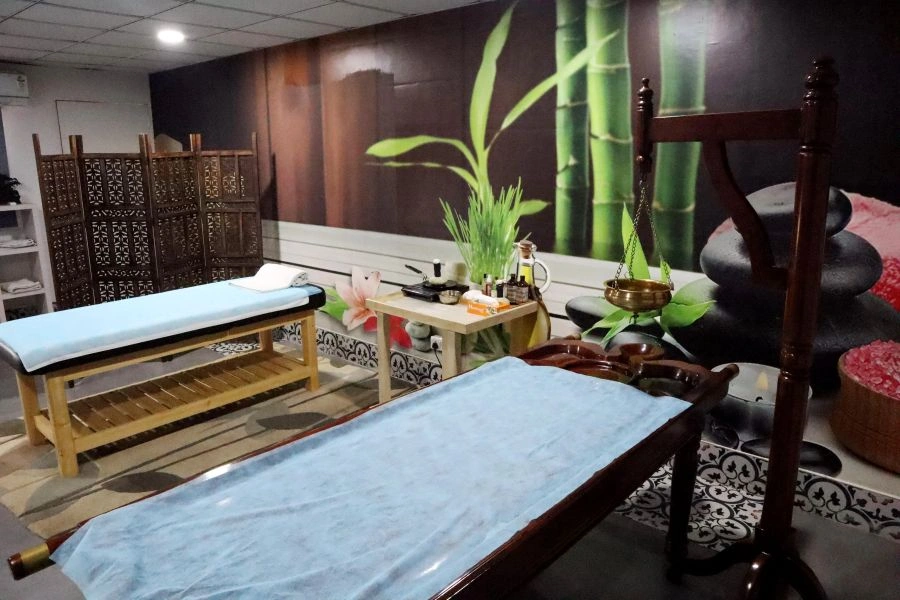
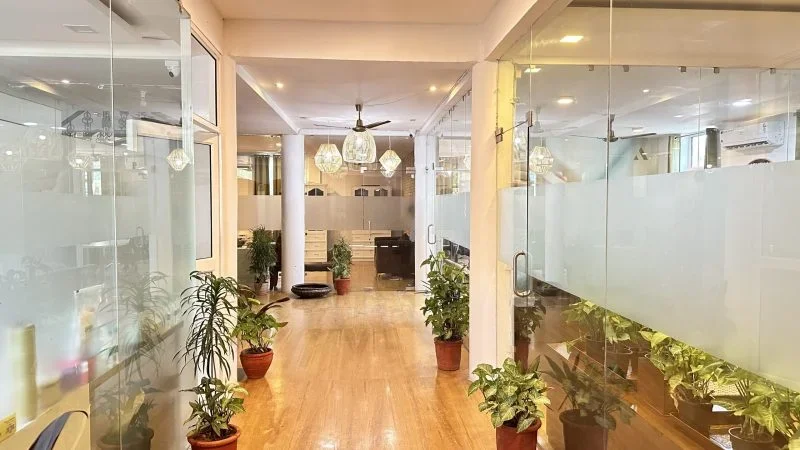
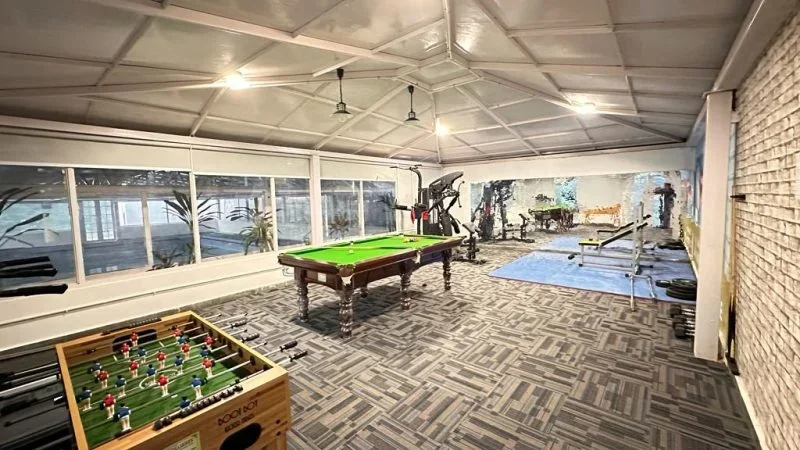
Take a Look Inside Our Delhi Facility
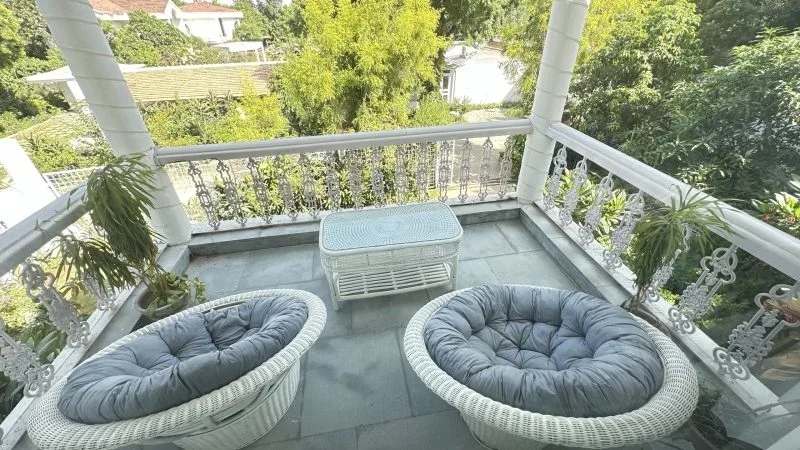

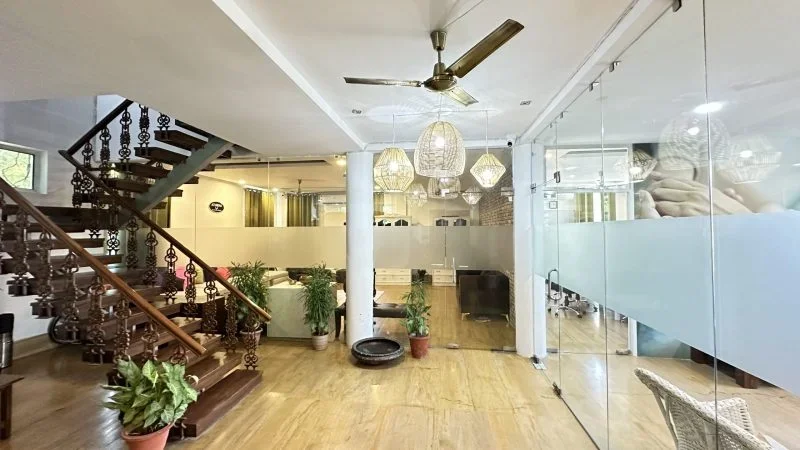
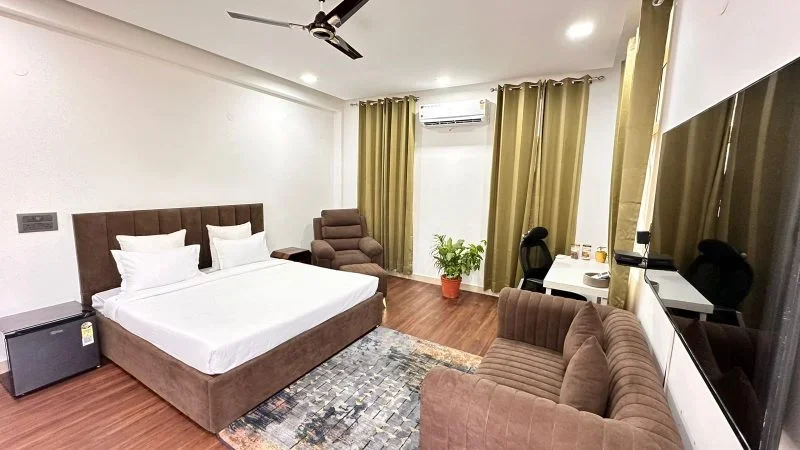
Conditions We Treat















.png)






What Our Patients Say
Frequently Asked Questions
When it comes to the treatment of addiction to cannabis in Delhi, a program consisting of psychiatric assessment, counseling, and medical detox, in case it is required, would prove more effective than mere willpower, especially when one has already tried to quit independently but without success. Professional help allows dealing with root causes that independent efforts fail to address.
Indeed, we can conduct an online consultation at your convenience, precisely because of that.
No, Medication is reserved for managing specific withdrawal symptoms and is reassessed regularly rather than continued indefinitely. Many patients complete treatment through therapy alone, with medication playing a minimal or short-term role.
It very much depends on the period during which the addiction lasted and on the patient's reaction to the first sessions. It is quite normal for the first few weeks to be ineffective.
Sleeping well, doing exercises, and reducing the amount of triggers can help in the process of treatment, but are not enough to overcome the problem completely.
This would mean stabilizing acute conditions such as severe anxiety, increased heart rate, or confusion in a clinical environment. We manage to do so all through the day and treat these cases as emergency medical conditions.
Scheduling is staggered specifically to avoid overlap between patients, and consultation rooms are private by default, not by special request. This matters most for public-facing professionals, and it's treated as standard practice here.
Call up and ask about the first consultation in order to tell the details of it instead of guessing. People are more likely to agree to have treatment if someone from their close relatives has already experienced it.
It is rather rare and applies to cases when there are serious withdrawal symptoms or some additional diseases. The majority of patients don't have to be hospitalized during the treatment.
The psychiatrist spends about one hour studying the history of use, current symptoms, and other important aspects, such as family history or previous quitting attempts.
How to reach Athena - Delhi
Athena Luxus, Delhi
Athena Luxus, South Delhi, New Delhi
Landmark: South Delhi
- South Delhi
- Central Delhi
- Gurugram border areas
- Noida border areas
Contact us: +919289086193
Speak to Our Care Team - 24×7 Confidential Support
Confidential help is just a call or chat away. Our team is ready to listen - without judgment, without pressure.
