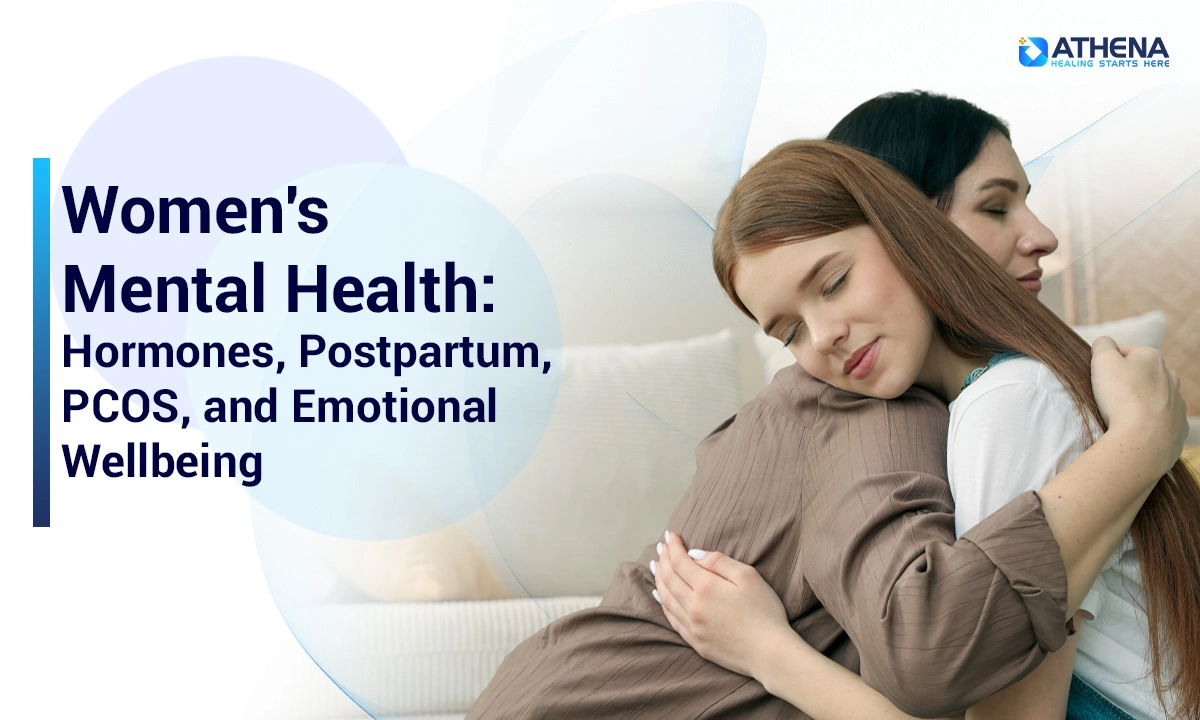

Women's mental health India is shaped by hormonal changes throughout life, including menstruation, pregnancy, postpartum recovery, PCOS, and menopause. Early recognition of emotional changes, timely professional support, healthy lifestyle habits, and evidence-based treatment can significantly improve mental wellbeing, relationships, and overall quality of life.
Women's mental health India deserves greater attention because emotional wellbeing is closely connected to hormonal health, life transitions, and everyday experiences. From PCOS and pregnancy to postpartum recovery and menopause, women face unique mental health challenges that often go unnoticed. At Athena Behavioral Health, specialized treatment and compassionate care help women navigate these changes with confidence. Understanding the connection is the first step toward lasting emotional wellness.
Why Women's Mental Health Is Different
Mental health affects everyone, but women experience unique biological and social factors that influence emotional wellbeing. Hormonal fluctuations interact with brain chemicals such as serotonin and dopamine, affecting mood, energy, sleep, and emotional resilience. Alongside these physical changes, family responsibilities, workplace demands, caregiving roles, relationship pressures, and societal expectations can add emotional strain.
This is why women's mental health India requires a holistic approach that considers both physical and psychological wellbeing rather than treating symptoms in isolation.
The Hormone–Brain Connection
Hormones like estrogen and progesterone play an important role in regulating mood. Changes in these hormones can influence emotions, concentration, stress response, and sleep quality.
While hormonal shifts are natural, persistent emotional distress should never be dismissed as "just hormones." Professional evaluation can help identify when additional support is needed.
Hormonal Changes Across Different Life Stages
Every stage of life brings hormonal adjustments that may affect emotional health differently.
Puberty and Young Adulthood
The onset of menstruation introduces hormonal changes that can influence confidence, body image, and emotional regulation. Some young women may experience anxiety, mood fluctuations, or low self-esteem during this period. These early experiences often shape long-term wellbeing, highlights the ongoing need to address
Menstrual Cycle and PMS
Many women notice temporary mood changes before their menstrual cycle. Irritability, fatigue, sadness, and emotional sensitivity are common. However, severe symptoms that interfere with daily life may indicate Premenstrual Dysphoric Disorder (PMDD), which deserves medical attention.
Pregnancy
Pregnancy brings profound hormonal and emotional changes. Excitement may coexist with worry, stress, and uncertainty. Adequate emotional support, healthy routines, and open communication with healthcare providers can make this transition easier.
Postpartum Mental Health: More Than Baby Blues
Becoming a mother is life-changing, but emotional challenges after childbirth are more common than many people realize.
While short-term "baby blues" usually improve within two weeks, postpartum depression (PPD) is more severe and requires professional care. Unfortunately, PPD remains significantly underdiagnosed in India because many women hesitate to seek help due to stigma or lack of awareness.
Common symptoms include:
Persistent sadness
Frequent crying
Difficulty bonding with the baby
Loss of interest in daily activities
Sleep disturbances unrelated to infant care
Anxiety or panic
Feelings of guilt or hopelessness
Difficulty concentrating
Recognizing these symptoms early can improve recovery and strengthen both maternal and family wellbeing.
PCOS and Emotional Wellbeing
Polycystic Ovary Syndrome (PCOS) affects millions of women and extends beyond reproductive health. Hormonal imbalance, insulin resistance, chronic inflammation, acne, weight changes, unwanted hair growth, and fertility concerns can all influence emotional wellbeing.
Research consistently shows that women with PCOS are more likely to experience anxiety, depression, stress, and body image concerns than women without the condition.
For women's mental health India, addressing PCOS requires an integrated approach that supports both physical symptoms and emotional resilience.
Effective management may include:
Balanced nutrition
Regular physical activity
Stress management
Quality sleep
Psychological counselling
Medical treatment when appropriate
Ongoing support from healthcare professionals
Menopause and Emotional Health
India is home to approximately 43 million menopausal women, making menopause an important public health concern.
As estrogen levels gradually decline, many women experience emotional as well as physical changes. Mood swings, irritability, anxiety, sleep disturbances, reduced concentration, and feelings of sadness are all possible during this stage.
These experiences vary widely from person to person, but they should never be ignored if they begin affecting daily life.
Supporting emotional wellbeing during menopause may include:
Regular exercise
Nutritious eating habits
Relaxation techniques
Social connection
Good sleep hygiene
Professional counselling
Medical treatment when recommended
Understanding these changes helps normalize conversations around menopause while encouraging women to seek support when needed.
Warning Signs You Should Not Ignore
Although occasional stress is part of life, some emotional symptoms indicate the need for professional assessment.
Watch for:
Persistent sadness lasting more than two weeks
Constant anxiety or excessive worrying
Panic attacks
Difficulty sleeping
Loss of motivation
Withdrawal from family or friends
Feeling emotionally numb
Difficulty managing work or household responsibilities
If someone experiences thoughts of self-harm or suicide, immediate emergency medical care or crisis support should be sought.
Early intervention often leads to better long-term outcomes.
Note: If you are asking yourself
Evidence-Based Ways to Support Emotional Wellbeing
Improving mental health involves consistent daily habits together with professional support when necessary.
Helpful lifestyle practices include:
Maintaining a regular sleep schedule
Eating nutrient-rich meals
Staying physically active
Practicing mindfulness or meditation
Building supportive relationships
Taking breaks from chronic stress
Limiting alcohol and substance use
You can also actively work to
Professional treatment options may include psychological assessment, psychotherapy, Cognitive Behavioural Therapy (CBT), psychiatric consultation, medication when clinically indicated, and family counselling. The crucial
These evidence-based approaches can significantly improve emotional wellbeing while reducing the impact of anxiety and depression.
Supporting Women Through Mental Health Challenges
Families, partners, and friends play an important role in recovery.
Meaningful support includes:
Listening without judgment
Encouraging open conversations
Offering practical help during difficult periods
Respecting emotional experiences
Encouraging professional treatment rather than minimizing symptoms
Reducing stigma begins with understanding that mental health conditions are treatable medical concerns, not personal weaknesses. Sharing experiences can be incredibly powerful;
This compassionate approach is especially important for improving women's mental health India, where many women continue to suffer silently due to fear of judgment.
When Should You Seek Professional Help?
Professional mental healthcare should be considered if emotional symptoms:
Continue for more than two weeks
Interfere with work or family life
Affect relationships
Become increasingly severe
Return repeatedly
Include thoughts of self-harm
Seeking help early does not mean something is "wrong." It is a proactive step toward better emotional and physical wellbeing.
How Athena Behavioral Health Supports Women's Mental Health
Women's emotional wellbeing deserves specialized, compassionate, and evidence-based care. At Athena Behavioral Health, experienced psychiatrists, psychologists, therapists, and multidisciplinary mental health professionals provide individualized treatment for anxiety, depression, postpartum mental health concerns, mood disorders, trauma, and other psychological conditions affecting women.
Athena also offers Athena OKAS, a dedicated residential mental healthcare facility designed exclusively for women, providing a safe, confidential, and supportive environment for recovery. Whether you're navigating hormonal changes, postpartum challenges, PCOS-related emotional distress, or menopause, Athena's integrated treatment approach helps women regain confidence, resilience, and emotional balance.
If you or someone you love is struggling, don't wait for symptoms to worsen. Reach out to Athena Behavioral Health today and take the first step toward better mental wellbeing with expert, personalized care.