
Worried, depressed or uncertain about speaking to someone? You are not alone. Mental health counseling provides you a confidential, controlled environment that you can use to work through your thoughts with a professional in a non-judgmental and non-pressured environment. It's a guide that provides you with the understanding of how it works, what it feels like to do a session and the true benefits you can expect.
Mental Health Counseling: What is it and Who Needs it?
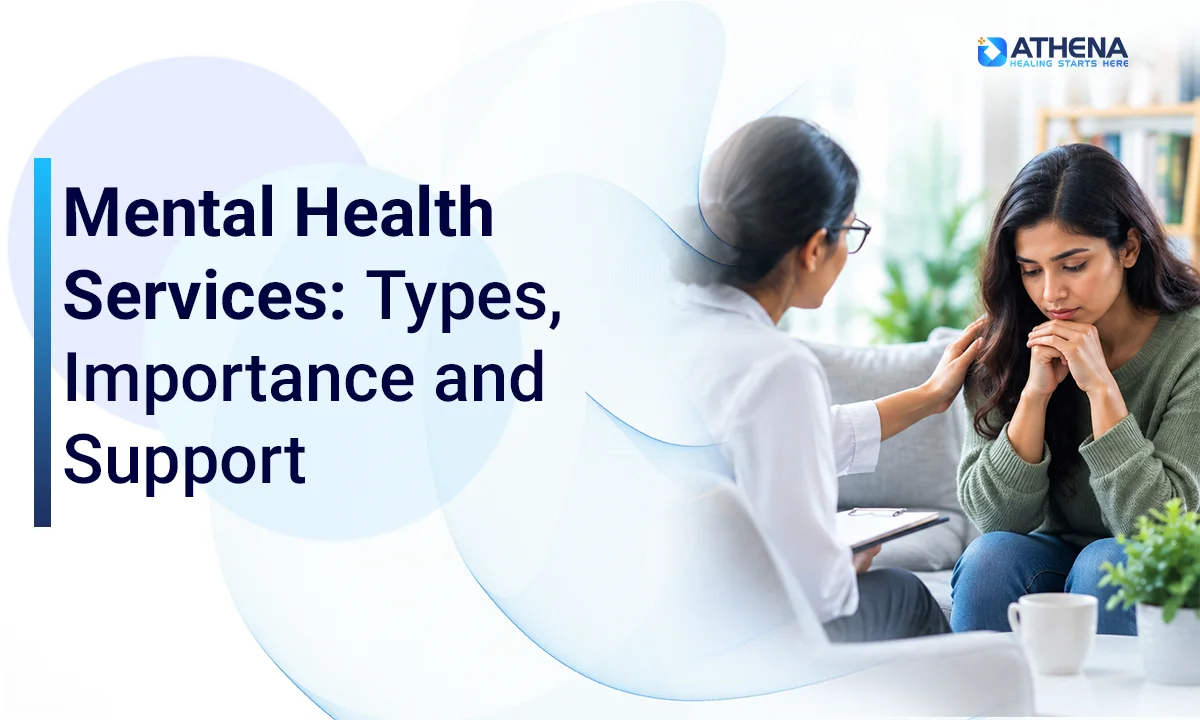
Talk therapy is a type of psychotherapy that involves a licensed counsellor supporting you to gain insight into your feelings, to change unhelpful patterns and to develop a range of practical coping skills. The mental counselling is not just for people in crisis. It is used by students taking exams, new parents, working people, and those in mourning from a loss.
The need is greater than it seems. According to the WHO, 1 in 8 people in the world today suffer from a mental health condition and the National Mental Health Survey in India revealed that approximately 10.6% of adults suffer from a mental disorder. However, stigma and the lack of awareness mean that a significant proportion of them don't receive any assistance.
Top Benefits of Counselling You Can Expect
Counselling is much more than a listening ear. The American Psychological Association reports that about three-quarters of those who begin therapy experience some benefit. In everyday life that means:
- Stress less, think more, make better decisions!
- Less panic attacks, racing thoughts and lack of sleep
- More effective family, partner and colleague relationships
- Positive self-esteem and emotional management
- Information that you continue to use after the session.
This is also because counselling is increasing in importance. It serves as a preventative measure, meaning that minor issues are not exacerbated into chronic issues.
What is involved in a Counselling Session?
People are often anxious prior to the initial counselling session and that is completely regular. Each session is 45-60 minutes. Your counsellor will start by asking what brought you to them, your background and what you would like to change. It is a combination of setting goals with you, and then working on exercises, reflection, and development of skills in later sessions.
Most people go once a week or every fortnight. Steady progress is seen in 8-12 sessions, depending on the needs. All communications are confidential – there are some exceptions to this, which are explained at the outset by your Counsellor.
Types of Mental Health Counseling at a Glance
There is no single method that fits everyone. This table shows the most common types of mental health counseling and what each one does best.
Type | Best For | Focus |
Cognitive Behavioral Therapy (CBT) | Anxiety, depression, panic | Changing negative thought patterns |
Family and Couples Counseling | Relationship conflict | Communication and trust |
Grief Counseling | Loss and bereavement | Processing emotions safely |
Trauma-Focused Counseling | PTSD, past abuse | Healing distressing memories |
Group Counseling | Isolation, shared struggles | Peer support and shared learning |
Counseling for Anxiety and Depression
One of the most studied and effective treatments for anxiety and depression with talk therapy is counseling. Depression and anxiety are both prevalent together in hundreds of millions of people, with the WHO estimating that it costs the global economy about US$1 trillion per year in lost productivity.
A counselor assists you in identifying thought patterns which keep you feeling low or on edge, and teach you how to question them. You also get techniques for grounding, breathing and sleeping, that help decrease symptoms between sessions. Before booking, it is helpful to have an understanding of common mental health issues in terms of signs and symptoms, such as ongoing worries or lack of interest or increased fatigue.
Postpartum Depression Counseling for New Mothers
Research in India indicated almost 20% of new mothers suffer from postpartum depression. Many women endure for months with no idea that it's not tiredness or "baby blues" it's a medical issue.
Postpartum depression counseling provides a safe environment where women can discuss feelings of guilt, worry, sleeping problems, bonding issues. India's first women-only treatment facility is operated by Athena Behavioral Health, providing women with a space tailored to their needs and privacy.
What is the value of visiting a mental health counsellor?
A mental health counselor does more than listen. Clinical mental health counseling is evidence-based, meaning that there is direction and measurable goals for the sessions. A trained counsellor also identifies warning signs early, and refers you for medical treatment when counselling is not sufficient. If you're searching for mental health counselling services, look for these:
- Valid qualifications and clinical training.
- Some knowledge of your concern(s)
- A clear plan for goals and progress
- A relaxed and non-judgemental approach
At Athena Behavioral Health, you'll find your care coordinated from the start of your treatment, with a team of counselors, psychologists and psychiatrists all under one roof.
When Counseling Needs Extra Support
In some instances, people turn to alcohol, drugs or other substances as a way to cope with stress, anxiety or depression. As demonstrated by the successful life of a cocaine addict, addiction can be concealed, and the Indian youth mental health crisis indicates that addiction can be a problem among young adults as well. Counselling is best combined with a comprehensive treatment program in these cases, which may involve medical treatment, therapy and relapse prevention.